

Pine Siskin vs American Goldfinch
Spinus pinus contro Spinus tristis
Fai un quiz con Pine Siskin e American Goldfinch
 Pine Siskin
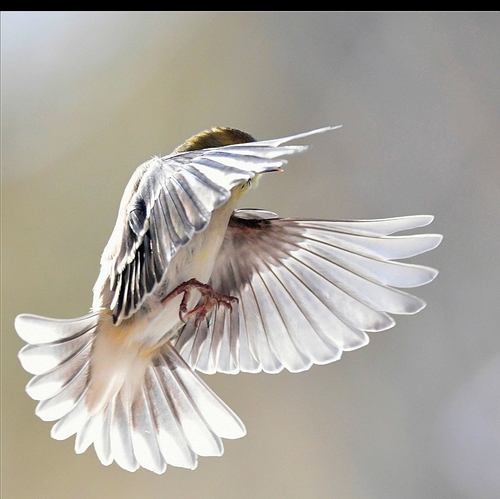 American Goldfinch
In breve
Il segno distintivo più affidabile per separare il Pine Siskin dall'American Goldfinch è la pesante striatura su tutta la parte inferiore del siskin, presente in tutte le età e stagioni, rispetto al petto e alla pancia puliti e non striati dell'goldfinch. In volo o posato, il Pine Siskin è un fringuello marrone opaco e striato con vari lampi gialli nelle ali e nella coda, mentre l'American Goldfinch—specialmente i maschi adulti in estate—è di un giallo brillante con ali e berretto neri, o di un marrone oliva più opaco ma comunque con la pancia pulita in inverno e nei giovani. Anche la forma del becco è utile: il Pine Siskin ha un becco più lungo, più sottile e più appuntito, mentre quello dell'American Goldfinch è più corto e più spesso. Entrambi sono simili in dimensioni, ma la loro struttura e il piumaggio sono distinti con un'attenta osservazione.
Consigli di identificazione
- Underpart streaking: Il Pine Siskin è pesantemente striato sotto in tutte le età e stagioni; l'American Goldfinch è sempre pulito sotto e non striato, anche nei giovani e negli uccelli invernali.
- Bill shape: Il Pine Siskin ha un becco più lungo, più sottile e più appuntito con un culmine dritto; il becco dell'American Goldfinch è più corto, più spesso e conico, spesso di un colore rosa o arancione a seconda della stagione.
- Wingbars: Il Pine Siskin mostra barre alari bianche strette e color crema; l'American Goldfinch ha marcature alari bianche più ampie e brillanti (specialmente negli adulti), e nei giovani, le marcature alari sono color crema ma comunque più audaci rispetto a quelle del siskin.
- Yellow in wings and tail: Entrambi possono mostrare lampi gialli, ma nel Pine Siskin questi sono variabili e spesso limitati alla base delle primarie e della coda; nell'American Goldfinch, il giallo è esteso nei maschi adulti (corpo e faccia), ma non nelle ali (che sono nere con marcature bianche).
- Overall color: Il Pine Siskin è sempre marrone opaco e striato; i maschi dell'American Goldfinch in estate sono di un giallo brillante con berretto e ali neri, mentre le femmine e gli uccelli non in riproduzione sono marrone oliva sopra, chiari sotto e mai striati.
- Tail shape: Entrambi hanno code intagliate, ma quella del Pine Siskin è più corta e più profondamente biforcuta; la coda dell'American Goldfinch è corta e meno ovviamente biforcuta.
- Head pattern: Il maschio dell'American Goldfinch in estate ha un berretto nero solido; il Pine Siskin non mostra mai un berretto nero.
- Face and supercilium: Il Pine Siskin manca di un forte schema facciale; l'American Goldfinch (specialmente i maschi) ha una faccia gialla più brillante e, nei maschi in riproduzione, un berretto nero a contrasto.
- Flight style: L'American Goldfinch ha un volo distintivo ondulato con chiamate frequenti; il volo del siskin è più diretto e meno rimbalzante.
- Voice: L'American Goldfinch emette chiamate e canti dolci e rotolanti; le chiamate del siskin sono ronzanti, ascendenti e meno musicali.
- Habitat context: Il Pine Siskin è più probabile trovarlo in foreste di conifere o in alto sugli alberi; l'American Goldfinch è più probabile trovarlo in campi aperti, aree infestanti o presso mangiatoie con semi di cardo/nyjer.
- Seasonal appearance: I maschi dell'American Goldfinch sono inconfondibili in estate; in inverno, entrambi i sessi diventano più opachi, ma l'goldfinch rimane non striato sotto.
- Juvenile confusion: I giovani goldfinch sono chiari e non striati sotto, con marcature alari color crema; i giovani siskin sono striati sotto e hanno barre alari più strette e chiare.
- Rare green siskin morph: Se incontri un siskin verdastro, controlla la presenza di copritrici gialle sotto la coda (non bianche), assenza di supercilium giallo e alcune striature sotto—ancora diverso da qualsiasi goldfinch.
- Flock composition: I gruppi misti presso le mangiatoie possono contenere entrambi; usa la striatura della parte inferiore e la forma del becco per distinguerli rapidamente.
Taglia
Entrambe le specie sono molto simili in dimensioni: 11–14 cm (4.3–5.5 in) di lunghezza e 18–22 cm (7.1–8.7 in) di apertura alare per il Pine Siskin, e 11–14 cm (4.3–5.5 in) di lunghezza con un'apertura alare di 19–22 cm (7.5–8.7 in) per l'American Goldfinch. Anche il peso si sovrappone (Pine Siskin 12–18 g, Goldfinch 11–20 g) [wikipedia][avonet]. Sul campo, la dimensione non è un separatore affidabile. Tuttavia, il Pine Siskin appare spesso più snello e più allungato a causa del suo becco più lungo e della sua struttura più slanciata, mentre l'American Goldfinch è più compatto e con testa rotonda.
Piumaggio
-
Juveniles/first-year birds: I giovani Pine Siskin sono pesantemente striati sotto, con un colore di fondo sporco o color crema e barre alari strette e chiare (bianche color crema); i lampi gialli nelle ali e nella coda sono variabili ma di solito presenti. I giovani American Goldfinch sono non striati sotto, con un sottocoda giallastro chiaro, dorso marrone opaco e marcature alari color crema; le loro ali e coda sono nere opache, non marroni, con marcature chiare (non brillanti). Nessun goldfinch di qualsiasi età mostra striature estese sulla parte inferiore.
-
Adult males (breeding): I maschi dell'American Goldfinch sono inconfondibilmente di un giallo limone brillante con un berretto nero, ali nere con marcature bianche audaci e un sottocoda bianco. Il Pine Siskin non mostra mai questa combinazione; rimane marrone striato con lampi gialli nelle ali e nella coda, ma mai completamente giallo.
-
Adult females and nonbreeding males: Le femmine dell'American Goldfinch e i maschi invernali sono marrone oliva sopra, chiari sotto, con una faccia e un bavero giallastri, ma mancano comunque di striature sulla parte inferiore. Il Pine Siskin rimane pesantemente striato durante tutto l'anno, con solo una leggera sfumatura giallastra al massimo. Le barre alari del siskin sono più strette e più chiare (bianche color crema) rispetto alle marcature alari bianche più audaci dell'goldfinch.
-
Rare morphs: Il morph verde del Pine Siskin è estremamente raro (<1%) e può mostrare più giallo, ma differisce ancora dall'goldfinch per avere copritrici gialle sotto la coda, nessun supercilium giallo e alcune striature sotto.
Comportamento
Entrambe le specie si nutrono in gruppi, spesso insieme in inverno. Il Pine Siskin è più probabile che si nutra in alto nelle conifere e si muova inquietamente tra le cime degli alberi, a volte appeso a testa in giù. L'American Goldfinch è più spesso visto nutrirsi sui semi di erbacce e girasoli, ed è meno probabile che si nutra in una fitta vegetazione di conifere. In volo, l'goldfinch ha un volo distintivo ondulato (a montagne russe) con note di chiamata frequenti, mentre il volo del siskin è più diretto e meno rimbalzante.
Habitat
Entrambe le specie sono diffuse e possono essere trovate insieme, specialmente in gruppi invernali presso le mangiatoie o in campi infestati. Il Pine Siskin è più strettamente legato a foreste di conifere e miste, specialmente nella stagione della riproduzione, ed è altamente irruente—talvolta assente, talvolta abbondante. L'American Goldfinch preferisce campi aperti, aree infestanti e bordi di boschi, ed è meno probabile trovarlo in profondità nelle foreste di conifere. L'habitat da solo non è diagnostico, ma il contesto può aiutare.
Voce
L'American Goldfinch emette un richiamo di volo distintivo e musicale spesso reso come "per-chic-o-ree" o "tsee-tsi-tsi-tsit," e un canto dolce e gorgheggiante. Le chiamate del Pine Siskin sono più alte, più acute e più ronzanti o raspose, spesso descritte come un "zzzzzzreee" o "zzzzzzip" ascendente. I siskin possono suonare più frenetici e meno musicali rispetto agli goldfinch. Se senti un canto chiaro, dolce e rotolante o il classico richiamo di volo "patatina", pensa all'goldfinch; se le chiamate sono ronzanti o graffianti, pensa al siskin.