

pigeon guillemot vs laysan albatross
Cepphus columba versus Phoebastria immutabilis
Jogue um quiz com pigeon guillemot e laysan albatross
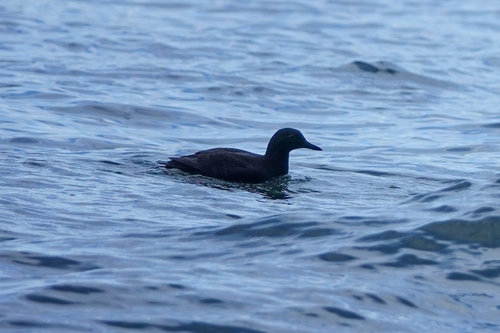 pigeon guillemot
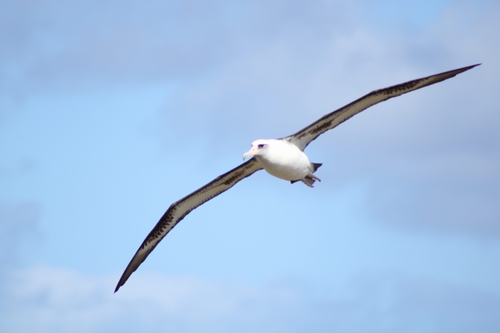 laysan albatross
Em resumo
A marca de campo mais confiável que separa o Pigeon Guillemot do Laysan Albatross é o tamanho e a estrutura geral: o guillemot é um auk pequeno e robusto, com um bico curto e escuro e uma distinta mancha branca na asa (quebrada por uma cunha escura em adultos), enquanto o albatross é uma enorme ave marinha de asas longas, com um bico rosa e plumagem impressionante em preto e branco. Os guillemots juvenis podem ser confundidos em voo devido à sua mancha na asa menor e aparência manchada, mas mesmo assim, o voo compacto e rápido do guillemot e suas asas inferiores escuras são diferentes do estilo languido e deslizante do albatross e suas partes inferiores brancas. Se você vê uma ave com uma envergadura longa e estreita planando ou deslizando, é certamente um Laysan Albatross; se for uma ave pequena, voando baixo e com um voo rápido, com uma mancha branca na asa, é um Pigeon Guillemot. A cor e a forma do bico, a cor das pernas e a aparência geral também são decisivas a qualquer distância.
Dicas de identificação
- Tamanho e forma: O Laysan Albatross é enorme, com uma envergadura de até 2 metros, ofuscando o Pigeon Guillemot. Mesmo aves distantes podem ser separadas pelas longas e estreitas asas do albatross e seu corpo maciço em comparação com a aparência compacta e de asas curtas do guillemot. Esta é a marca mais confiável em qualquer distância ou ângulo.
- Estilo de voo: Os guillemots voam baixo e rápido com batidas rápidas das asas, raramente planando. Os albatrosses planam e deslizam sem esforço, raramente batendo as asas, exceto na decolagem ou aterrissagem. Se você vê uma ave planando por longos períodos, não pode ser um guillemot.
- Cor e forma do bico: O Pigeon Guillemot tem um bico fino, longo e totalmente preto (exceto por algumas fêmeas com bico maior na Califórnia). O Laysan Albatross tem um bico grosso, longo e rosa com uma ponta escura (cinza em juvenis). A cor do bico é visível a uma distância moderada e é diagnóstica.
- Cor das pernas: Os guillemots têm pernas e pés vermelhos brilhantes (cinza-marrom em juvenis); os albatrosses têm pernas pálidas, nunca vermelhas.
- Padrão das asas em voo (todas as idades): Os guillemots mostram uma mancha branca na asa quebrada por uma cunha escura (menor em juvenis), com asas inferiores escuras e simples. Os albatrosses têm asas superiores escuras com asas inferiores brancas, muitas vezes com margens pretas—nunca uma asa inferior escura sólida.
- Contraste da plumagem: Os guillemots são principalmente escuros com uma mancha branca na asa e (no inverno) partes inferiores brancas, mas nunca têm uma cabeça ou asa inferior brancas. Os albatrosses são audaciosamente bicolores, com uma cabeça e partes inferiores brancas e asas superiores e costas escuras.
- Padrão da cabeça: Os guillemots têm uma cabeça escura em todas as plumagens; os albatrosses têm uma cabeça branca com uma mancha escura ao redor do olho.
- Postura em terra: Os guillemots ficam eretos, muitas vezes sobre os tarsos, e andam bem. Os albatrosses são mais desajeitados, com um andar trôpego.
- Habitat: Os guillemots são vistos perto da costa, muitas vezes perto de rochas ou penhascos; os albatrosses são pelágicos, raramente vistos perto da terra, exceto em colônias de reprodução.
- Confusão juvenil: Os guillemots jovens têm uma mancha na asa menor e mais opaca e partes inferiores listradas, mas ainda mostram asas inferiores escuras e simples e uma forma compacta. Os albatrosses juvenis têm um bico cinza e uma parte superior escura, mas de outra forma se parecem com adultos—nunca mostrando o padrão ou estrutura da asa do guillemot.
- Projeção dos pés: Em voo, os pés vermelhos do guillemot podem ser visíveis se arrastando atrás da cauda; os albatrosses têm pés pálidos, raramente visíveis em voo.
- Cor e anel do olho: Os guillemots têm um fino e ininterrupto anel ocular branco; os albatrosses têm um olho escuro com uma mancha preta.
- Plumagem sazonal: Apenas o guillemot muda de aparência sazonalmente (reprodução: escuro brilhante com mancha branca na asa; não reprodução: cinza/preto manchado acima, branco abaixo). O albatross é consistente durante todo o ano.
- Tamanho do bico em relação à cabeça: O bico do albatross é maciço e grosso, dominando o rosto; o do guillemot é fino e proporcional.
- Dicas de contexto: Se você está em uma costa rochosa ou porto, espere ver um guillemot; se você está longe da costa ou em uma ilha remota, espere ver um albatross.
Tamanho
O Pigeon Guillemot é um auk de tamanho médio, medindo 30–37 cm (12–15 in) de comprimento e pesando 450–550 g (16–19 oz) [wikipedia]. Em contraste, o Laysan Albatross é uma ave marinha muito grande, medindo 81 cm (32 in) de comprimento com uma envergadura de 195–203 cm (77–80 in), e pesa 1,9–4,1 kg (4,2–9,0 lb) [wikipedia]. O albatross é mais de duas vezes mais longo e até dez vezes mais pesado, com uma envergadura quase seis vezes maior. Mesmo à distância, o tamanho imenso do albatross e suas longas e estreitas asas são inconfundíveis em comparação com o perfil compacto e de asas curtas do guillemot.
Plumagem
-
Aves juvenis/imaturas: Os Pigeon Guillemots juvenis se assemelham a adultos de inverno, mas têm partes inferiores com pontas marrons (efeito de listras), mais marrons nas partes superiores e uma mancha branca na asa menor. Suas asas inferiores são sempre simples e escuras, independentemente da idade. Os Laysan Albatross juvenis têm um bico cinza e uma parte superior escura, mas de outra forma compartilham o mesmo padrão bicolor em preto e branco que os adultos. O padrão das asas inferiores do albatross é variável, mas sempre mostra uma extensa área branca, às vezes com margens ou coberturas pretas, nunca a asa inferior escura sólida do guillemot.
-
Plumagem de reprodução adulta: Os Pigeon Guillemots adultos são marrons escuros com um brilho negro e uma mancha branca na asa quebrada por uma cunha escura. Em voo, a asa inferior é simples e escura. Os adultos do Laysan Albatross têm cabeças e partes inferiores brancas, asas superiores e costas cinza-escuras, e um bico rosa com uma ponta escura. A asa inferior é principalmente branca com margens pretas variáveis—nunca totalmente escuras.
-
Plumagem de não-reprodução adulta: Os Pigeon Guillemots no inverno têm partes superiores cinzas e pretas manchadas e partes inferiores brancas, mas mantêm uma cabeça escura e asas inferiores escuras e simples. O Laysan Albatross não tem uma plumagem distinta de não-reprodução; seu padrão permanece consistente durante todo o ano.
Comportamento
Os Pigeon Guillemots são nadadores e mergulhadores fortes, usando tanto as asas quanto os pés para propulsão debaixo d'água. Eles voam com batidas rápidas e giratórias das asas e têm dificuldade em decolar sem uma corrida inicial, muitas vezes abraçando a superfície da água. Em terra, andam bem e ficam eretos, muitas vezes descansando sobre seus tarsos. Os Laysan Albatrosses são mestres do planador dinâmico, raramente batendo as asas, exceto ao decolar ou aterrissar. Seu voo é caracterizado por longos arcos deslizantes altos acima da água, usando sua imensa envergadura para aproveitar as correntes de vento. Em terra, são mais desajeitados, andando com um passo trôpego. O voo do guillemot é direto e baixo, enquanto o do albatross é flutuante e planador.
Habitat
Os Pigeon Guillemots são aves costeiras, geralmente vistos perto de costas rochosas, penhascos e ilhas ao longo da costa do Pacífico da América do Norte. Eles raramente se afastam da terra, muitas vezes forrageando em águas rasas. Os Laysan Albatrosses são pelágicos, passando a maior parte de suas vidas longe no mar e apenas vindo à terra para reproduzir, principalmente em ilhas remotas no Pacífico Norte. Ver uma ave longe da costa, especialmente planando alto acima das ondas, favorece fortemente o albatross. Perto de costas rochosas ou portos, o guillemot é muito mais provável.