

Motmot

ウミバト 対 コアホウドリ

Cepphus columba 対 Phoebastria immutabilis

ウミバトとコアホウドリのクイズ
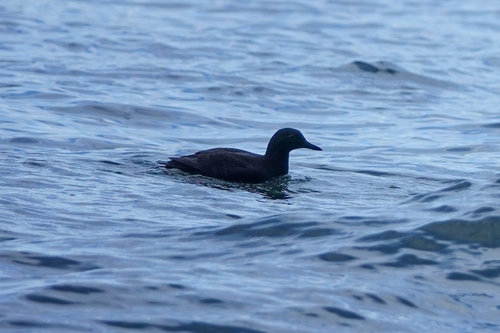
ウミバト (Cepphus columba) ウミバト
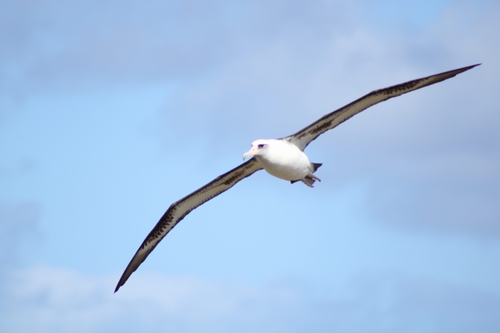
コアホウドリ (Phoebastria immutabilis) コアホウドリ

メディア

読み込み中…

要点

ウミバトとコアホウドリを区別する最も信頼できるフィールドマークは、全体のサイズと構造です:ウミバトは小さくてずんぐりしたアウクで、短くて暗いくちばしと特徴的な白い翼の斑点(成鳥では暗いくさびによって破られています)を持っていますが、コアホウドリは巨大で長い翼を持つ海鳥で、ピンクのくちばしと目を引く二色の黒と白の羽毛を持っています。若いウミバトは、より小さな翼の斑点とまだらな外見のために飛行中に混同されることがありますが、それでもウミバトのコンパクトで速く羽ばたく飛行と暗い下翼は、コアホウドリの緩慢で滑空するスタイルや白い腹部とは異なります。長くて狭い翼を持つ鳥が空を舞っているのを見たら、それは確実にコアホウドリです;小さくて低く飛び、速く羽ばたく白い翼の斑点を持つ鳥であれば、それはウミバトです。くちばしの色と形、脚の色、全体の印象も、どんな距離でも決定的です。

識別のコツ

  1. サイズと形状: コアホウドリは巨大で、翼幅は最大2メートルに達し、ウミバトを圧倒します。遠くの鳥でも、ウミバトのコンパクトで短い翼の外見に比べて、コアホウドリの長くて狭い翼と巨大な体によって区別できます。これは、どんな距離や角度でも最も信頼できるマークです。
  2. 飛行スタイル: ウミバトは低く速く飛び、急速な羽ばたきで、滑空することはほとんどありません。コアホウドリは、離陸や着陸時を除いて、ほとんど羽ばたかずに滑空します。長時間滑空している鳥を見たら、それはウミバトではありません。
  3. くちばしの色と形: ウミバトは細くて長い全黒のくちばしを持っています(カリフォルニアの一部の大きなくちばしの雌を除く)。コアホウドリは、暗い先端を持つ太くて長いピンクのくちばしを持っています(若鳥は灰色)。くちばしの色は中距離で見えるため、診断的です。
  4. 脚の色: ウミバトは明るい赤い脚と足を持っています(若鳥は灰褐色);コアホウドリは淡い脚を持ち、赤くはありません。
  5. 飛行中の翼の模様(すべての年齢): ウミバトは、暗いくさびによって破られた白い翼の斑点を示し(若鳥では小さく)、平坦な暗い下翼を持っています。コアホウドリは、白い下翼を持つ黒っぽい上翼を持ち、しばしば黒い縁があります—決して固体の暗い下翼はありません。
  6. 羽毛のコントラスト: ウミバトは主に暗く、白い翼の斑点と(冬には)白い腹部を持っていますが、決して白い頭や下翼はありません。コアホウドリは大胆な二色で、白い頭と腹部、暗い上翼と背中を持っています。
  7. 頭の模様: ウミバトはすべての羽毛で暗い頭を持っています;コアホウドリは暗い目のしみを持つ白い頭を持っています。
  8. 陸上での姿勢: ウミバトは直立して立ち、しばしばタルシスの上で歩きます。コアホウドリはより不器用で、よちよち歩きの歩行をします。
  9. 生息地: ウミバトは海岸近くで見られ、しばしば岩や崖の近くで見られます;コアホウドリは外洋性で、繁殖コロニーを除いて、陸の近くではめったに見られません。
  10. 若鳥の混同: 若いウミバトは、より小さく鈍い翼の斑点と縞模様のある腹部を持っていますが、依然として平坦な暗い下翼とコンパクトな形を示します。若いコアホウドリは灰色のくちばしと暗い上部の腰を持っていますが、その他は成鳥と同じように見えます—決してウミバトの翼の模様や構造を示しません。
  11. 足の突出: 飛行中、ウミバトの赤い足が尾の後ろに見えることがあります;コアホウドリは淡い足を持ち、飛行中に見えることはほとんどありません。
  12. 目の色とリング: ウミバトは細くて途切れのない白い目のリングを持っています;コアホウドリは暗い目を持ち、黒いしみがあります。
  13. 季節的な羽毛: ウミバトだけが季節ごとに外見を変えます(繁殖期:光沢のある暗い色で白い翼の斑点;非繁殖期:上部はまだらな灰色/黒、下部は白)。コアホウドリは年間を通じて一貫しています。
  14. 頭に対するくちばしのサイズ: コアホウドリのくちばしは巨大で厚く、顔を支配します;ウミバトのくちばしは細くて比例しています。
  15. 文脈の手がかり: 岩の多い海岸や港にいる場合はウミバトを期待してください;遠くの海上や孤立した島にいる場合はコアホウドリを期待してください。

大きさ

ウミバトは中型のアウクで、長さは30〜37 cm(12〜15インチ)、質量は450〜550 g(16〜19オンス)です [wikipedia]。対照的に、コアホウドリは非常に大きな海鳥で、長さは81 cm(32インチ)、翼幅は195〜203 cm(77〜80インチ)、体重は1.9〜4.1 kg(4.2〜9.0ポンド)です [wikipedia]。コアホウドリは長さが2倍以上で、重さは最大10倍で、翼幅はほぼ6倍です。遠くからでも、コアホウドリの巨大なサイズと長く狭い翼は、ウミバトのコンパクトで短い翼のプロファイルと比較して明確です。

羽色

行動

ウミバトは強力な泳ぎ手であり、潜水者であり、両方の翼と足を使って水中で推進します。彼らは急速で羽音を立てて飛び、走り出さないと離陸が難しく、水面に密着していることがよくあります。陸上では、彼らはうまく歩き、直立して座り、しばしばタルシスの上で休みます。コアホウドリはダイナミックな滑空の達人で、離陸や着陸時を除いてほとんど羽ばたきません。彼らの飛行は、水面の高いところで長い滑空の弧を描くことが特徴で、巨大な翼幅を使って風の流れに乗ります。陸上では、彼らはより不器用で、よちよち歩きの歩行をします。ウミバトの飛行は直接的で低く、コアホウドリの飛行は浮遊的で滑空します。

生息環境

ウミバトは沿岸の鳥で、通常は北アメリカの太平洋沿岸の岩の多い海岸線、崖、島の近くで見られます。彼らはめったに陸から遠くに出かけず、浅い水で餌を探すことが多いです。コアホウドリは外洋性で、ほとんどの生活を海の遠くで過ごし、繁殖のためにのみ陸に来ます。主に北太平洋の遠隔の島で繁殖します。特に波の上を高く滑空している鳥を遠くで見ることは、コアホウドリを強く示唆します。岩の多い海岸や港の近くでは、ウミバトの方がはるかに可能性が高いです。

より良い説明を送る

比較と同じ項目を使ってください。文章はすぐに公開されます。

The most reliable field mark separating Pigeon Guillemot from Laysan Albatross is overall size and structure: the guillemot is a small, chunky auk with a short, dark bill and a distinctive white wing patch (broken by a dark wedge in adults), while the albatross is a huge, long-winged seabird with a pink bill and striking two-toned black-and-white plumage. Juvenile guillemots can be confused in flight due to their smaller wing patch and mottled appearance, but even then, the guillemot’s compact, fast-flapping flight and dark underwings are unlike the albatross’s languid, gliding style and white underparts. If you see a bird with a long, narrow wingspan soaring or gliding, it is certainly a Laysan Albatross; if it’s a small, low-flying, fast-flapping bird with a white wing patch, it’s a Pigeon Guillemot. Bill color and shape, leg color, and overall jizz are also decisive at any distance.

  1. Size and shape: Laysan Albatross is enormous, with a wingspan up to 2 meters, dwarfing the pigeon guillemot. Even distant birds can be separated by the albatross’s long, narrow wings and massive body compared to the guillemot’s compact, short-winged look. This is the single most reliable mark at any range or angle.
  2. Flight style: Guillemots fly low and fast with rapid wingbeats, rarely gliding. Albatrosses soar and glide effortlessly, rarely flapping except at takeoff or landing. If you see a bird gliding for long periods, it cannot be a guillemot.
  3. Bill color and shape: Pigeon Guillemot has a thin, long, all-black bill (except for some larger-billed females in California). Laysan Albatross has a thick, long, pink bill with a dark tip (gray in juveniles). Bill color is visible at moderate range and diagnostic.
  4. Leg color: Guillemots have bright red legs and feet (gray-brown in juveniles); albatrosses have pale legs, never red.
  5. Wing pattern in flight (all ages): Guillemots show a white wing patch broken by a dark wedge (smaller in juveniles), with plain dark underwings. Albatrosses have blackish upperwings with white underwings, often with black margins—never a solid dark underwing.
  6. Plumage contrast: Guillemots are mostly dark with a white wing patch and (in winter) white underparts, but never have a white head or underwing. Albatrosses are boldly two-toned, with a white head and underparts and dark upperwings and back.
  7. Head pattern: Guillemots have a dark head in all plumages; albatrosses have a white head with a dark eye smudge.
  8. Posture on land: Guillemots stand upright, often on tarsi, and walk well. Albatrosses are more awkward, with a waddling gait.
  9. Habitat: Guillemots are seen close to shore, often near rocks or cliffs; albatrosses are pelagic, rarely seen near land except at breeding colonies.
  10. Juvenile confusion: Young guillemots have a smaller, duller wing patch and barred underparts but still show plain dark underwings and a compact shape. Juvenile albatrosses have a gray bill and dark upper rump but otherwise look like adults—never showing the guillemot’s wing pattern or structure.
  11. Feet projection: In flight, guillemot’s red feet may be visible trailing behind the tail; albatrosses have pale feet, rarely visible in flight.
  12. Eye color and ring: Guillemots have a thin, unbroken white eye-ring; albatrosses have a dark eye with a black smudge.
  13. Seasonal plumage: Only guillemot changes appearance seasonally (breeding: glossy dark with white wing patch; non-breeding: mottled gray/black above, white below). Albatross is consistent year-round.
  14. Bill size relative to head: Albatross’s bill is massive and thick, dominating the face; guillemot’s is thin and proportionate.
  15. Context clues: If you’re on a rocky coast or harbor, expect guillemot; if you’re far offshore or on a remote island, expect albatross.

Pigeon Guillemot is a medium-sized auk, 30–37 cm (12–15 in) long and 450–550 g (16–19 oz) in mass [wikipedia]. In stark contrast, Laysan Albatross is a very large seabird, 81 cm (32 in) long with a wingspan of 195–203 cm (77–80 in), and weighs 1.9–4.1 kg (4.2–9.0 lb) [wikipedia]. The albatross is more than twice as long and up to ten times heavier, with a wingspan nearly six times greater. Even at a distance, the albatross’s immense size and long, narrow wings are unmistakable compared to the guillemot’s compact, short-winged profile.

  • Juvenile/immature birds: Juvenile Pigeon Guillemots resemble winter adults but have brown-tipped underparts (barring effect), more brown in the upperparts, and a smaller white wing patch. Their underwings are always plain and dark, regardless of age. Juvenile Laysan Albatrosses have a gray bill and a dark upper rump, but otherwise share the same two-toned black-and-white pattern as adults. The albatross’s underwing pattern is variable but always shows extensive white, sometimes with black margins or coverts, never the solid dark underwing of the guillemot.

  • Adult breeding plumage: Adult Pigeon Guillemots are dark brown with a black sheen and a white wing patch broken by a dark wedge. In flight, the underwing is plain and dark. Laysan Albatross adults have white heads and underparts, blackish-gray upperwings and back, and a pink bill with a dark tip. The underwing is mostly white with variable black margins—never solidly dark.

  • Adult non-breeding plumage: Pigeon Guillemots in winter have mottled gray and black upperparts and white underparts, but retain a dark head and plain dark underwings. Laysan Albatross does not have a distinct non-breeding plumage; its pattern remains consistent year-round.

Pigeon Guillemots are strong swimmers and divers, using both wings and feet for propulsion underwater. They fly with rapid, whirring wingbeats and have difficulty taking off without a running start, often hugging the water’s surface. On land, they walk well and sit upright, often resting on their tarsi. Laysan Albatrosses are masters of dynamic soaring, rarely flapping except when taking off or landing. Their flight is characterized by long, gliding arcs high above the water, using their immense wingspan to ride wind currents. On land, they are more awkward, walking with a waddling gait. The guillemot’s flight is direct and low, while the albatross’s is buoyant and soaring.

Pigeon Guillemots are coastal birds, usually seen close to rocky shorelines, cliffs, and islands along the Pacific coast of North America. They rarely venture far from land, often foraging in shallow waters. Laysan Albatrosses are pelagic, spending most of their lives far out at sea and only coming to land to breed, mostly on remote islands in the North Pacific. Seeing a bird far offshore, especially soaring high above the waves, strongly favors albatross. Near rocky coasts or harbors, guillemot is far more likely.

変更を破棄しますか?

保存していない編集があります。今離れると失われます。

ウミバト · コアホウドリ · 苦手な鳥