

Pigeon Guillemot vs Laysan Albatross
Cepphus columba contro Phoebastria immutabilis
Fai un quiz con Pigeon Guillemot e Laysan Albatross
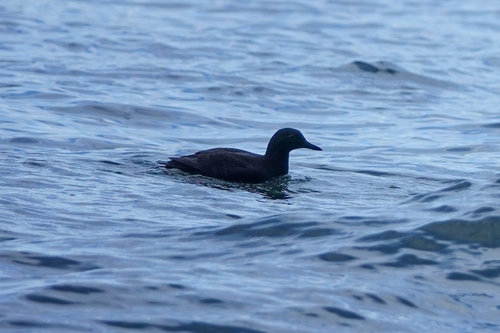 Pigeon Guillemot
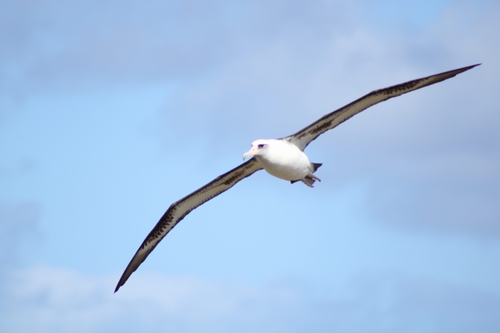 Laysan Albatross
In breve
Il segno di campo più affidabile che separa il Pigeon Guillemot dal Laysan Albatross è la dimensione e la struttura complessiva: il guillemot è un auk piccolo e tozzo con un becco corto e scuro e una distintiva macchia bianca sulle ali (interrotta da un cuneo scuro negli adulti), mentre l'albatros è un enorme uccello marino con ali lunghe, un becco rosa e un piumaggio nero e bianco a due toni. I guillemot juvenili possono essere confusi in volo a causa della loro macchia sulle ali più piccola e dell'aspetto maculato, ma anche in quel caso, il volo compatto e veloce del guillemot e le sue ali inferiori scure sono diversi dallo stile lento e planante dell'albatros e dalle sue parti inferiori bianche. Se vedi un uccello con un'apertura alare lunga e stretta che plana o vola, è sicuramente un Laysan Albatross; se è un piccolo uccello che vola basso e batte le ali rapidamente con una macchia bianca sulle ali, è un Pigeon Guillemot. Il colore e la forma del becco, il colore delle gambe e l'aspetto generale sono anche decisivi a qualsiasi distanza.
Consigli di identificazione
- Size and shape: Il Laysan Albatross è enorme, con un'apertura alare fino a 2 metri, che fa sembrare piccolo il pigeon guillemot. Anche gli uccelli distanti possono essere separati dalle lunghe ali strette e dal corpo massiccio dell'albatros rispetto all'aspetto compatto e dalle ali corte del guillemot. Questo è il segno più affidabile a qualsiasi distanza o angolo.
- Flight style: I guillemot volano bassi e veloci con battiti d'ali rapidi, raramente planando. Gli albatross planano e volano senza sforzo, raramente battendo le ali tranne che al decollo o all'atterraggio. Se vedi un uccello che plana per lunghi periodi, non può essere un guillemot.
- Bill color and shape: Il Pigeon Guillemot ha un becco sottile, lungo e completamente nero (eccetto per alcune femmine con becco più grande in California). Il Laysan Albatross ha un becco spesso, lungo e rosa con una punta scura (grigia nei juvenili). Il colore del becco è visibile a distanza moderata e diagnostico.
- Leg color: I guillemot hanno gambe e piedi di un rosso brillante (grigio-marrone nei juvenili); gli albatross hanno gambe chiare, mai rosse.
- Wing pattern in flight (all ages): I guillemot mostrano una macchia bianca sulle ali interrotta da un cuneo scuro (più piccola nei juvenili), con ali inferiori scure e semplici. Gli albatross hanno ali superiori nerastre con ali inferiori bianche, spesso con margini neri—mai un'ala inferiore completamente scura.
- Plumage contrast: I guillemot sono per lo più scuri con una macchia bianca sulle ali e (in inverno) parti inferiori bianche, ma non hanno mai una testa o ali inferiori bianche. Gli albatross sono audacemente a due toni, con una testa e parti inferiori bianche e ali superiori e schiena scure.
- Head pattern: I guillemot hanno una testa scura in tutte le livree; gli albatross hanno una testa bianca con una macchia scura attorno all'occhio.
- Posture on land: I guillemot stanno dritti, spesso sui tarsi, e camminano bene. Gli albatross sono più goffi, con una camminata a passo d'anatra.
- Habitat: I guillemot si vedono vicino alla costa, spesso vicino a rocce o scogliere; gli albatross sono pelagici, raramente visti vicino alla terra tranne che nelle colonie di riproduzione.
- Juvenile confusion: I giovani guillemot hanno una macchia sulle ali più piccola e opaca e parti inferiori barrate ma mostrano comunque ali inferiori scure e semplici e una forma compatta. I giovani albatross hanno un becco grigio e una parte superiore scura della coda ma altrimenti sembrano adulti—non mostrano mai il motivo o la struttura delle ali del guillemot.
- Feet projection: In volo, i piedi rossi del guillemot possono essere visibili che seguono dietro la coda; gli albatross hanno piedi chiari, raramente visibili in volo.
- Eye color and ring: I guillemot hanno un anello oculare bianco sottile e continuo; gli albatross hanno un occhio scuro con una macchia nera.
- Seasonal plumage: Solo il guillemot cambia aspetto stagionalmente (riproduzione: lucido scuro con macchia bianca sulle ali; non riproduzione: maculato grigio/nero sopra, bianco sotto). L'albatros è costante tutto l'anno.
- Bill size relative to head: Il becco dell'albatros è massiccio e spesso, dominando il viso; quello del guillemot è sottile e proporzionato.
- Context clues: Se sei su una costa rocciosa o in un porto, aspettati un guillemot; se sei lontano dalla costa o su un'isola remota, aspettati un albatros.
Taglia
Il Pigeon Guillemot è un auk di dimensioni medie, lungo 30–37 cm (12–15 in) e pesa 450–550 g (16–19 oz) [wikipedia]. In netto contrasto, il Laysan Albatross è un uccello marino molto grande, lungo 81 cm (32 in) con un'apertura alare di 195–203 cm (77–80 in), e pesa 1.9–4.1 kg (4.2–9.0 lb) [wikipedia]. L'albatros è più di due volte più lungo e fino a dieci volte più pesante, con un'apertura alare quasi sei volte maggiore. Anche a distanza, l'immensa dimensione dell'albatros e le sue ali lunghe e strette sono inconfondibili rispetto al profilo compatto e dalle ali corte del guillemot.
Piumaggio
-
Juvenile/immature birds: I giovani Pigeon Guillemots somigliano agli adulti in inverno ma hanno parti inferiori con punte marroni (effetto di barratura), più marrone nelle parti superiori e una macchia bianca sulle ali più piccola. Le loro ali inferiori sono sempre semplici e scure, indipendentemente dall'età. I giovani Laysan Albatross hanno un becco grigio e una parte superiore scura della coda, ma altrimenti condividono lo stesso motivo a due toni nero e bianco degli adulti. Il motivo delle ali inferiori dell'albatros è variabile ma mostra sempre ampie aree bianche, a volte con margini o copritrici nere, mai l'ala inferiore completamente scura del guillemot.
-
Adult breeding plumage: Gli adulti Pigeon Guillemots sono marrone scuro con un riflesso nero e una macchia bianca sulle ali interrotta da un cuneo scuro. In volo, l'ala inferiore è semplice e scura. Gli adulti Laysan Albatross hanno teste e parti inferiori bianche, ali superiori grigio scuro e schiena, e un becco rosa con una punta scura. L'ala inferiore è per lo più bianca con margini neri variabili—mai completamente scura.
-
Adult non-breeding plumage: I Pigeon Guillemots in inverno hanno parti superiori grigio e nero maculate e parti inferiori bianche, ma mantengono una testa scura e ali inferiori scure e semplici. Il Laysan Albatross non ha una livrea non riproduttiva distinta; il suo motivo rimane costante tutto l'anno.
Comportamento
I Pigeon Guillemots sono forti nuotatori e subacquei, utilizzando sia le ali che i piedi per la propulsione sott'acqua. Volano con rapidi battiti d'ali e hanno difficoltà a decollare senza una corsa di avvio, spesso abbracciando la superficie dell'acqua. A terra, camminano bene e si siedono dritti, spesso riposando sui loro tarsi. I Laysan Albatross sono maestri del volo dinamico, raramente battendo le ali tranne che al decollo o all'atterraggio. Il loro volo è caratterizzato da lunghe curve plananti in alto sopra l'acqua, utilizzando la loro immensa apertura alare per cavalcare le correnti d'aria. A terra, sono più goffi, camminando con una andatura a passo d'anatra. Il volo del guillemot è diretto e basso, mentre quello dell'albatros è galleggiante e planante.
Habitat
I Pigeon Guillemots sono uccelli costieri, solitamente visti vicino a coste rocciose, scogliere e isole lungo la costa del Pacifico del Nord America. Raramente si avventurano lontano dalla terra, spesso foraggiando in acque poco profonde. I Laysan Albatross sono pelagici, trascorrendo la maggior parte della loro vita lontano in mare e venendo a terra solo per riprodursi, principalmente su isole remote nel Nord Pacifico. Vedere un uccello lontano dalla costa, specialmente che plana in alto sopra le onde, favorisce fortemente l'albatros. Vicino a coste rocciose o porti, il guillemot è di gran lunga più probabile.
Pigeon Guillemot · Laysan Albatross · I miei uccelli difficili