

piuí-boreal vs piuí-verdadeiro-do-oeste
Contopus cooperi versus Contopus sordidulus
Jogue um quiz com piuí-boreal e piuí-verdadeiro-do-oeste
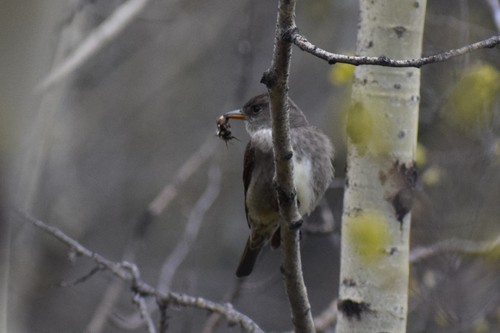 piuí-boreal
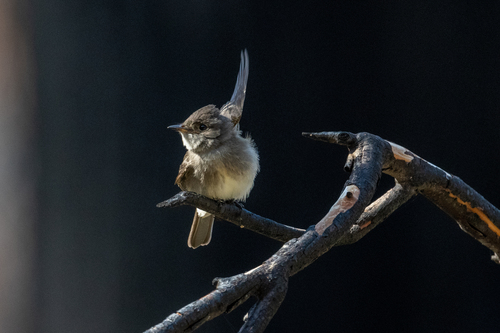 piuí-verdadeiro-do-oeste
Em resumo
A marca de campo mais confiável para separar o piuí-boreal do piuí-verdadeiro-do-oeste é o ousado 'colete' escuro de cinza escuro nas laterais do peito, emoldurando uma garganta e barriga centrais brancas em contraste—único do piuí-boreal e visível em todas as idades. O piuí-verdadeiro-do-oeste não possui esse colete e, em vez disso, apresenta um peito e partes inferiores muito mais uniformes, levemente lavados de cinza-oliva. O piuí-boreal também é notavelmente maior e mais robusto, com um bico mais grosso e asas mais longas, frequentemente empoleirando-se de forma muito ereta no topo de galhos expostos. Ambas as espécies são piui-boreais sem brilho com tons superiores semelhantes, mas a atenção cuidadosa ao padrão do peito, tamanho e postura as separará na maioria das situações de campo.
Dicas de identificação
- Procure pelo 'colete': O piuí-boreal sempre apresenta um ousado colete cinza escuro nas laterais do peito, emoldurando nitidamente uma garganta e barriga centrais brancas. O piuí-verdadeiro-do-oeste não possui esse colete e é mais uniformemente pálido abaixo, com apenas uma leve lavagem de oliva no peito.
- Tamanho e robustez: O piuí-boreal é muito maior e mais pesado—cerca do dobro da massa do piuí-verdadeiro-do-oeste. Se você ver ambos juntos, a diferença de tamanho é impressionante, mas mesmo individualmente, o piuí-boreal parece robusto e de asas longas.
- Postura ao empoleirar: O piuí-boreal empoleira-se de forma muito ereta, frequentemente nos galhos mortos mais altos e expostos. O piuí-verdadeiro-do-oeste é ereto, mas menos extremo, e geralmente escolhe poleiros mais baixos ou menos proeminentes.
- Estrutura do bico: O piuí-boreal tem um bico relativamente longo e robusto; o bico do piuí-verdadeiro-do-oeste é mais fino e apresenta amarelo na base da mandíbula inferior, mas isso pode ser difícil de ver à distância.
- Faixas nas asas: Ambas as espécies têm duas faixas claras nas asas, mas estas não são fortes o suficiente para separá-las.
- Cor das partes superiores: Ambas são cinza-oliva acima, mas o piuí-boreal pode parecer mais marrom ou mais oliva em plumagem fresca e boa luz. Isso é sutil e não confiável em luz fraca.
- Cor das partes inferiores: O piuí-verdadeiro-do-oeste é mais uniformemente pálido abaixo, com apenas uma leve lavagem de oliva no peito—nunca o colete nitidamente definido do piuí-boreal.
- Sexo e idade: Ambos os sexos e todas as idades são semelhantes dentro de cada espécie; não há diferença sazonal ou baseada em sexo a ser utilizada.
- Contexto do habitat: Se você estiver em uma floresta conífera alta e aberta com tocos proeminentes, especialmente perto da água, o piuí-boreal é mais provável. Em florestas mais baixas, mais fechadas ou ripárias, o piuí-verdadeiro-do-oeste é mais típico.
- Comportamento em voo: O voo do piuí-boreal é mais poderoso e direto, combinando com seu tamanho maior e asas mais longas. O piuí-verdadeiro-do-oeste parece mais leve e mais agitado.
- Voz (com cautela): Se você ouvir um 'peeer' alto e zumbido ou uma canção de 'tsees' descendentes terminando em 'peeer', é provável que você esteja ouvindo o piuí-verdadeiro-do-oeste. As vocalizações do piuí-boreal não são descritas aqui, então não confie nisso a menos que você conheça bem as canções de ambas as espécies.
- Armadilhas: Em luz fraca ou à distância, o colete do peito pode ser difícil de ver; sempre tente obter uma visão clara e frontal. O tamanho pode ser enganoso se o pássaro estiver sozinho ou distante, então use múltiplas marcas.
- Não diagnóstico: O padrão das asas em juvenis e imaturos não é descrito como distintivo para nenhuma das espécies, então não confie nisso para separação.
- Quando em dúvida: Priorize o padrão do peito e o tamanho/estrutura geral em relação a sutis diferenças de cor ou faixas nas asas.
- Dica resumida: Se o pássaro parecer ter colete e robusto, empoleirado alto e ereto, é o piuí-boreal; se parecer esguio, uniformemente pálido abaixo e menos proeminente na postura, é o piuí-verdadeiro-do-oeste.
Tamanho
O piuí-boreal é significativamente maior e mais pesado que o piuí-verdadeiro-do-oeste—cerca do dobro do peso ([wikipedia]). O piuí-boreal pesa em média 28–35 g ([avonet]), enquanto o piuí-verdadeiro-do-oeste pesa apenas 11–14 g ([wikipedia]). Em comprimento, o piuí-boreal é maior que um pardal, mas menor que um sabiá, enquanto o piuí-verdadeiro-do-oeste mede 14–16 cm (5.5–6.3 in) de comprimento. O piuí-boreal também tem asas proporcionalmente mais longas e um bico mais robusto, dando-lhe uma aparência mais robusta e ereta em comparação com o esguio e mais delicado piuí-verdadeiro-do-oeste.
Plumagem
-
Padrão de voo e asas de juvenil/imaturo: Nenhuma diferença específica de padrão de asa superior juvenil ou imaturo é descrita para essas duas espécies nas fontes; ambas são sem brilho acima e carecem de um padrão de asas forte. Concentre-se em vez disso nos contrastes do peito e das partes inferiores.
-
Plumagem adulta: O piuí-boreal apresenta uma aparência distinta de 'colete': as laterais do peito são cinza escuro, contrastando nitidamente com uma garganta e barriga centrais brancas. Os tons de oliva nas costas e asas são sutis e melhor vistos em boa luz. O piuí-verdadeiro-do-oeste é mais uniformemente cinza-oliva acima e abaixo, com apenas uma leve lavagem de oliva no peito e sem colete nitidamente definido. Ambos têm duas faixas claras nas asas, mas estas não são fortemente contrastantes ou diagnósticas entre os dois.
-
Cor do bico: O piuí-verdadeiro-do-oeste tem um bico escuro com amarelo na base da mandíbula inferior; o bico do piuí-boreal é relativamente longo e robusto, mas a cor é menos distintiva em campo.
-
Sexo/sazonal: Ambas as espécies são sexualmente monomórficas; nenhuma variação sazonal de plumagem é notada que afetaria a identificação.
Comportamento
O piuí-boreal geralmente empoleira-se de forma muito ereta, frequentemente no topo de tocos ou galhos mortos altos, escaneando em busca de insetos voadores. Sua postura é mais vertical e alerta em comparação com o piuí-verdadeiro-do-oeste, que também empoleira-se ereto, mas tende a escolher poleiros mais baixos e menos expostos, aparecendo mais delicado e menos robusto. Ambas as espécies saem para capturar insetos em voo, mas o tamanho maior e as asas mais longas do piuí-boreal fazem seu voo parecer mais poderoso e direto.
Habitat
O piuí-boreal prefere áreas abertas ou bordas de florestas boreais e coníferas, frequentemente perto da água e em elevações mais altas, e está fortemente associado a árvores ou tocos altos e proeminentes ([wikipedia]). O piuí-verdadeiro-do-oeste também é encontrado em florestas abertas, mas é mais típico de uma gama mais ampla de habitats florestais, incluindo áreas ripárias, e não está tão intimamente ligado a tocos altos ou bordas de floresta. Ambos podem se sobrepor no oeste da América do Norte, mas o piuí-boreal é mais provável em florestas coníferas mais altas, abertas ou recentemente queimadas.
Voz
Nenhuma comparação direta de chamadas é fornecida nas notas. O piuí-verdadeiro-do-oeste tem uma chamada distintiva e zumbidora de 'peeer' e uma canção de três 'tsees' rápidos descendentes terminando com um 'peeer' descendente ([wikipedia]). As vocalizações do piuí-boreal não são descritas aqui, então confie em marcas visuais para separação.
piuí-boreal · piuí-verdadeiro-do-oeste · Minhas aves difíceis