

Pibí Boreal vs Pibí Occidental
Contopus cooperi frente a Contopus sordidulus
Juega un quiz con Pibí Boreal y Pibí Occidental
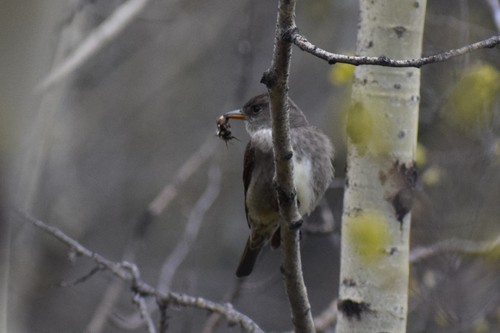 Pibí Boreal
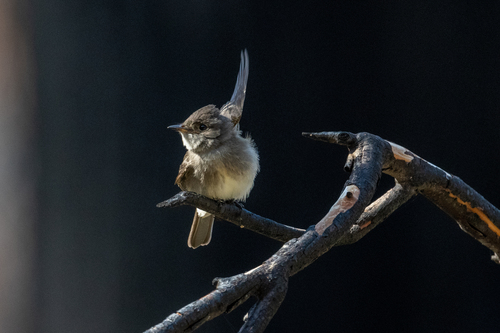 Pibí Occidental
En breve
La marca de campo más confiable para separar el Pibí Boreal del Pibí Occidental es el audaz y oscuro 'chaleco' de gris apagado en los lados del pecho, enmarcando una garganta y un vientre central blancamente contrastantes—único del Pibí Boreal y visible en todas las edades. El Pibí Occidental carece de este chaleco y en su lugar muestra un pecho y partes inferiores mucho más uniformes, ligeramente lavados de gris oliva. El Pibí Boreal también es notablemente más grande y robusto, con un pico más grueso y alas más largas, a menudo posándose muy erguido en la parte superior de troncos expuestos. Ambas especies son pájaros mosqueros apagados con tonos de partes superiores similares, pero una atención cuidadosa al patrón del pecho, tamaño y postura los separará en la mayoría de las situaciones de campo.
Consejos de identificación
- Busca el 'chaleco': El Pibí Boreal siempre muestra un audaz chaleco gris oscuro en los lados del pecho, enmarcando agudamente una garganta y un vientre central blancos. El Pibí Occidental carece de este chaleco y es más uniformemente pálido por debajo, con solo un leve lavado de oliva en el pecho.
- Tamaño y robustez: El Pibí Boreal es mucho más grande y pesado—aproximadamente el doble de la masa del Pibí Occidental. Si ves ambos juntos, la diferencia de tamaño es sorprendente, pero incluso individualmente, el Pibí Boreal se ve robusto y con alas largas.
- Postura al posarse: El Pibí Boreal se posa muy erguido, a menudo en las ramas muertas más altas y expuestas. El Pibí Occidental es erguido pero menos extremo, y generalmente elige posaderos más bajos o menos prominentes.
- Estructura del pico: El Pibí Boreal tiene un pico relativamente largo y robusto; el pico del Pibí Occidental es más delgado y muestra amarillo en la base de la mandíbula inferior, pero esto puede ser difícil de ver a distancia.
- Barras alares: Ambas especies tienen dos barras alares pálidas, pero estas no son lo suficientemente fuertes como para separarlas.
- Color de las partes superiores: Ambas son gris-oliva por encima, pero el Pibí Boreal puede parecer más marrón o más oliva en plumaje fresco y buena luz. Esto es sutil y poco confiable en mala luz.
- Color de las partes inferiores: El Pibí Occidental es más uniformemente pálido por debajo, con solo un leve lavado de oliva en el pecho—nunca el chaleco claramente definido del Pibí Boreal.
- Sexo y edad: Ambos sexos y todas las edades son similares dentro de cada especie; no hay diferencia estacional o basada en el sexo que se pueda utilizar.
- Contexto de hábitat: Si estás en un bosque conífero alto y abierto con troncos prominentes, especialmente cerca del agua, es más probable que veas un Pibí Boreal. En bosques más bajos, más cerrados o ribereños, el Pibí Occidental es más típico.
- Comportamiento en vuelo: El vuelo del Pibí Boreal es más poderoso y directo, acorde a su mayor tamaño y alas más largas. El Pibí Occidental parece más ligero y más aleteante.
- Voz (con precaución): Si escuchas un fuerte y zumbante 'peeer' o una canción de 'tsees' descendentes que termina en 'peeer,' es probable que estés escuchando al Pibí Occidental. Las vocalizaciones del Pibí Boreal no se describen aquí, así que no confíes en esto a menos que conozcas bien las canciones de ambas especies.
- Trampas: En mala luz o a distancia, el chaleco del pecho puede ser difícil de ver; siempre intenta obtener una vista clara y frontal. El tamaño puede ser engañoso si el pájaro está solo o distante, así que utiliza múltiples marcas.
- No diagnóstico: El patrón alar en juveniles e inmaduros no se describe como distintivo para ninguna de las especies, así que no confíes en esto para la separación.
- Cuando tengas dudas: Prioriza el patrón del pecho y el tamaño/estructura general sobre diferencias sutiles de color o barras alares.
- Consejo resumen: Si el pájaro parece tener un chaleco y es robusto, posado alto y erguido, es un Pibí Boreal; si parece esbelto, uniformemente pálido por debajo y menos prominente en postura, es un Pibí Occidental.
Tamaño
El Pibí Boreal es significativamente más grande y pesado que el Pibí Occidental—aproximadamente el doble del peso ([wikipedia]). El Pibí Boreal promedia 28–35 g ([avonet]), mientras que el Pibí Occidental solo pesa 11–14 g ([wikipedia]). En longitud, el Pibí Boreal es más grande que un gorrión pero más pequeño que un mirlo, mientras que el Pibí Occidental mide 14–16 cm (5.5–6.3 in) de largo. El Pibí Boreal también tiene alas proporcionalmente más largas y un pico más robusto, dándole un aspecto más robusto y erguido en comparación con el esbelto y más delicado Pibí Occidental.
Plumaje
-
Patrón de vuelo y alas de juvenil/inmaduro: No se describen diferencias específicas en el patrón de alas de juvenil o inmaduro para estas dos especies en las fuentes; ambas son apagadas por encima y carecen de un patrón de alas fuerte. Enfócate en los contrastes del pecho y las partes inferiores.
-
Plumaje adulto: El Pibí Boreal muestra un aspecto 'vestido' distintivo: los lados del pecho son de un gris oscuro, contrastando agudamente con una garganta y un vientre central blancos. Los tonos oliva en la espalda y las alas son sutiles y se ven mejor en buena luz. El Pibí Occidental es más uniformemente gris-oliva por encima y por debajo, con solo un leve lavado de oliva en el pecho y sin chaleco claramente definido. Ambos tienen dos barras alares pálidas, pero estas no son fuertemente contrastantes o diagnósticas entre los dos.
-
Color del pico: El Pibí Occidental tiene un pico oscuro con amarillo en la base de la mandíbula inferior; el pico del Pibí Boreal es relativamente largo y robusto, pero el color es menos distintivo en el campo.
-
Sexo/temporada: Ambas especies son sexualmente monomórficas; no se observa variación estacional en el plumaje que afecte la identificación.
Comportamiento
El Pibí Boreal típicamente se posa muy erguido, a menudo en la parte superior de troncos muertos altos o ramas expuestas, escaneando en busca de insectos voladores. Su postura es más vertical y alerta en comparación con el Pibí Occidental, que también se posa erguido pero tiende a elegir posaderos más bajos y menos expuestos, y parece más delicado y menos robusto. Ambas especies salen a atrapar insectos en vuelo, pero el mayor tamaño y las alas más largas del Pibí Boreal hacen que su vuelo parezca más poderoso y directo.
Hábitat
El Pibí Boreal prefiere áreas abiertas o bordes de bosques boreales y coníferos, a menudo cerca del agua y en elevaciones más altas, y está fuertemente asociado con árboles o troncos altos y prominentes ([wikipedia]). El Pibí Occidental también se encuentra en bosques abiertos, pero es más típico de una gama más amplia de hábitats boscosos, incluyendo áreas ribereñas, y no está tan estrechamente vinculado a troncos altos o bordes de bosque. Ambos pueden superponerse en el oeste de América del Norte, pero el Pibí Boreal es más probable en bosques coníferos más altos, más abiertos o recientemente quemados.
Voz
No se proporciona una comparación directa de llamadas en las notas. El Pibí Occidental tiene un distintivo llamado zumbante 'peeer' y una canción de tres 'tsees' rápidos descendentes que terminan con un 'peeer' descendente ([wikipedia]). Las vocalizaciones del Pibí Boreal no se describen aquí, así que confía en marcas visuales para la separación.