

new zealand fantail vs welcome swallow
Rhipidura fuliginosa versus Hirundo neoxena
Jogue um quiz com new zealand fantail e welcome swallow
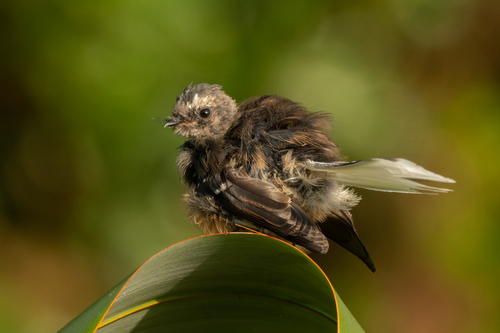 new zealand fantail
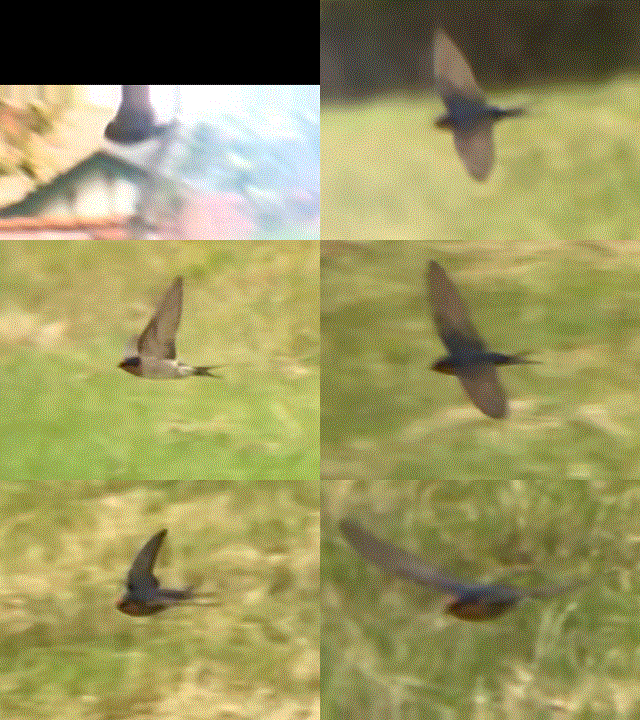 welcome swallow
Em resumo
A marca de campo mais confiável para separar new zealand fantail de welcome swallow é a cauda: os fantails exibem uma cauda larga e em forma de leque (frequentemente aberta e mostrando forte contraste entre penas brancas externas e penas centrais escuras), enquanto os swallows têm uma cauda longa e profundamente bifurcada com manchas brancas. Em voo, os movimentos erráticos e rápidos do fantail e a frequência com que abrem a cauda são distintivos, contrastando com o voo suave, rápido e deslizante do swallow e suas longas asas pontudas. Os swallows juvenis não possuem as longas fitas da cauda dos adultos, mas ainda mostram uma cauda bifurcada, enquanto os fantails juvenis se assemelham aos adultos, mas são mais marrons e menos bem marcados. Ambas as espécies são pequenas e ágeis, mas o fantail é mais leve e compacto. Os chamados diferem: os fantails têm um chamado metálico e tagarela, enquanto os swallows emitem trinos e gorjeios suaves.
Dicas de identificação
- A forma da cauda é a melhor marca de campo: Os fantails têm uma cauda larga, arredondada e em forma de leque, frequentemente aberta e mostrando forte contraste entre penas brancas externas e penas centrais escuras (exceto na rara forma negra). Os swallows têm uma cauda longa e profundamente bifurcada com fitas pontudas e uma fileira de manchas brancas; mesmo os juvenis mostram uma cauda bifurcada, embora as fitas sejam mais curtas.
- Estilo de voo: Os fantails são erráticos, rápidos e frequentemente pairam ou saltam de poleiros, frequentemente abrindo suas caudas. Os swallows voam suavemente e rapidamente, com longos deslizamentos e voos diretos e rápidos, raramente abrindo suas caudas.
- Cor das partes superiores: Os fantails são cinzas ou marrons por cima (nunca metálicos), enquanto os swallows são azul-preto metálico por cima.
- Cor das partes inferiores: Os fantails são amarelados ou laranja por baixo com uma faixa escura no peito e garganta branca; os swallows são cinza claro por baixo com uma testa, garganta e parte superior do peito avermelhadas (rufas), sem faixa no peito.
- Marcas faciais: Os fantails têm uma garganta branca e marcas brancas sobre os olhos; os swallows têm uma testa e garganta avermelhadas (rufas), sem supercílios brancos.
- Marcas na cauda: A cauda do fantail é fortemente padronizada com penas brancas externas (exceto nas formas negras); a cauda do swallow tem uma fileira de manchas brancas nas penas, visíveis quando a cauda está aberta.
- Diferenças juvenis: Os swallows juvenis têm testa e garganta brancas (não rufas) e fitas de cauda mais curtas, mas ainda mostram uma cauda bifurcada. Os fantails juvenis são mais marrons que os adultos, com marcas corporais menos distintas, mas mantêm a cauda em forma de leque.
- Comportamento de empoleiramento: Os fantails empoleiram-se frequentemente, muitas vezes balançando e abrindo suas caudas; os swallows raramente empoleiram-se por muito tempo, e quando o fazem, sua longa cauda bifurcada é óbvia.
- Comportamento de forrageio: Os fantails saltam de poleiros e frequentemente seguem pessoas para capturar insetos perturbados; os swallows forrageiam exclusivamente em voo, frequentemente sobre água ou solo aberto.
- Preferência de habitat: Os fantails são mais comuns em habitats arborizados ou arbustivos; os swallows preferem áreas abertas, terras agrícolas e corpos d'água.
- Voz: O chamado do fantail é um 'cheek' metálico e tagarela, enquanto o chamado do swallow é um trino ou gorjeio suave, mais silencioso e menos distintivo.
- Tamanho e estrutura: Os swallows são mais pesados e mais alongados, com longas asas e cauda; os fantails são mais leves, mais compactos e com corpo arredondado.
- Formas raras: O fantail na forma negra é todo escuro, exceto por uma mancha branca atrás do olho, mas ainda mostra a cauda em forma de leque e comportamento errático; os swallows nunca são totalmente escuros.
- Contexto sazonal: Ambas as espécies estão presentes durante todo o ano em grande parte da Nova Zelândia, mas os swallows são mais propensos a serem vistos em habitats abertos e sobre água, especialmente em bandos fora da temporada de reprodução.
- Armadilhas comuns: Os swallows juvenis que não possuem longas fitas na cauda podem ser confundidos com fantails, mas sempre verifique a cauda bifurcada (não aberta) e a ausência de faixa no peito ou partes inferiores amareladas.
Tamanho
Welcome Swallow é cerca de duas vezes mais pesado que New Zealand Fantail (15,0 g vs 7,2 g [wikidata]), mas ambos são igualmente pequenos em comprimento total (fantail: 16 cm, swallow: 15 cm [wikipedia]). O comprimento do fantail é exagerado por sua cauda larga e aberta, enquanto o comprimento do swallow inclui suas longas fitas de cauda bifurcada (mais longas nos machos). Em mãos, os swallows são visivelmente mais robustos e pesados, mas isso é sutil no campo. O fantail parece mais compacto e arredondado, enquanto o swallow é mais elegante e alongado.
Plumagem
Os swallows juvenis welcome são brancos amarelados na testa e garganta, com fitas de cauda mais curtas que os adultos, mas ainda mostram uma cauda bifurcada. Os fantails juvenis são semelhantes aos adultos, mas mais marrons no geral e têm marcas corporais menos distintas; sua cauda ainda é larga e em forma de leque. Os adultos new zealand fantails são cinza médio a escuro ou cinza-marron por cima, amarelados ou laranja por baixo, com uma faixa escura no peito, garganta branca e penas externas da cauda brancas marcantes (ou, na rara forma negra, todo escuro exceto por uma mancha branca atrás do olho). Welcome Swallows são azul-preto metálico por cima, cinza claro por baixo, e têm uma testa, garganta e parte superior do peito avermelhadas (rufas), com uma cauda longa e profundamente bifurcada marcada por uma fileira de manchas brancas. As partes inferiores do swallow nunca são amareladas ou laranja como no fantail, e o fantail nunca mostra as partes superiores azul-preto metálicas do swallow ou o rosto rufous.
Comportamento
New Zealand Fantails quase nunca ficam parados, constantemente saltando de poleiro em poleiro, frequentemente abrindo e balançando suas caudas, e frequentemente forrageando perto de pessoas ou no chão. Seu voo é errático e fluttery, com mudanças abruptas de direção. Welcome Swallows, em contraste, são voadores graciosos e ágeis, geralmente vistos voando rápido e baixo em áreas abertas, frequentemente em grandes círculos ou oito. Eles raramente empoleiram-se por muito tempo, e seu voo é suave, com longos deslizamentos e movimentos rápidos e ágeis. Os swallows frequentemente bebem em voo e podem ser vistos mergulhando sobre a água, o que os fantails não fazem.
Habitat
Ambas as espécies podem ser encontradas em toda a Nova Zelândia, incluindo jardins, parques e bordas de florestas. Os fantails são mais frequentemente vistos em áreas arborizadas ou arbustivas, incluindo jardins suburbanos, onde forrageiam entre árvores e arbustos. Welcome Swallows preferem campos abertos, terras agrícolas, margens de lagos e áreas urbanas, e são especialmente comuns perto da água. Embora haja sobreposição, os swallows são mais propensos a estar em habitats abertos e sem árvores e sobre a água, enquanto os fantails estão mais ligados à vegetação.
Voz
New Zealand Fantail emite um chamado metálico 'cheek', frequentemente repetido em uma série tagarela. O chamado é agudo e se propaga bem. Welcome Swallow produz uma mistura de trinos suaves e notas de gorjeio, com um apito agudo em alarme, mas seus chamados são geralmente mais silenciosos e menos distantes do que os do fantail. No campo, o chamado do fantail é mais provável de chamar a atenção.
new zealand fantail · welcome swallow · Minhas aves difíceis