

Motmot

ニュージーランドオウギビタキ 対 オーストラリアツバメ

Rhipidura fuliginosa 対 Hirundo neoxena

ニュージーランドオウギビタキとオーストラリアツバメのクイズ
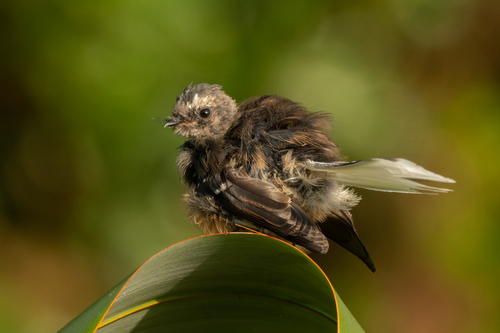
ニュージーランドオウギビタキ (Rhipidura fuliginosa) ニュージーランドオウギビタキ
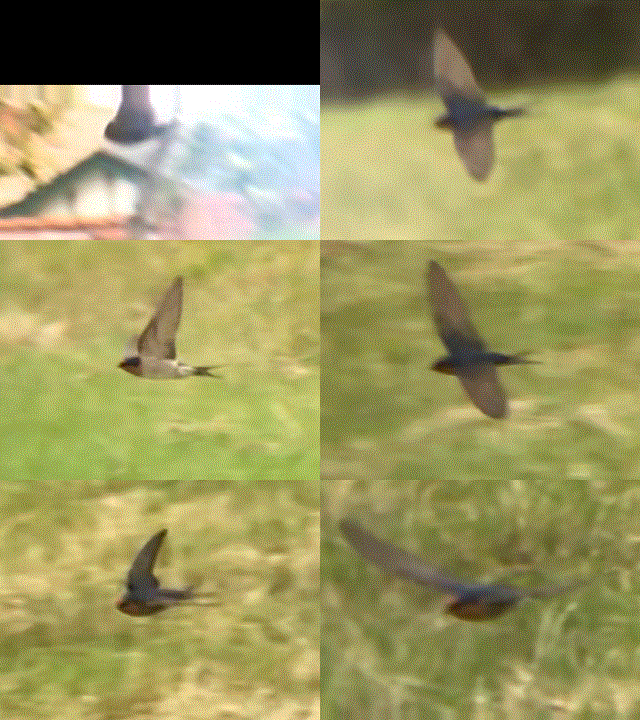
オーストラリアツバメ (Hirundo neoxena) オーストラリアツバメ

メディア

読み込み中…

要点

ニュージーランドオウギビタキとオーストラリアツバメを区別する最も信頼できるフィールドマークは尾です:オウギビタキは広く、扇形の尾を持ち(しばしば扇がっており、白い外羽と暗い中央羽の強いコントラストを示します)、一方ツバメは白い斑点のある長く深く分かれた尾を持っています。飛行中、オウギビタキの不規則でひらひらとした動きと頻繁な尾の扇ぎは特徴的で、ツバメの滑らかで迅速な滑空飛行と長く尖った翼と対照的です。幼鳥のツバメは成鳥のような長い尾の流れを欠いていますが、依然として分かれた尾を示し、幼鳥のオウギビタキは成鳥に似ていますが、より茶色でマークが少ないです。両種は小さくて敏捷ですが、オウギビタキは軽くてよりコンパクトです。鳴き声は異なります:オウギビタキは金属的でおしゃべりな鳴き声を持ち、ツバメは柔らかいツイッターやウォーブルを発します。

識別のコツ

  1. Tail shape is the single best field mark: オウギビタキは広く、丸みを帯びた扇形の尾を持ち、しばしば扇がっており、白い外羽と暗い中央羽の強いコントラストを示します(稀な黒い形態を除く)。ツバメは尖った流れを持つ長く深く分かれた尾を持ち、白い斑点の列があります;幼鳥でも分かれた尾を示しますが、流れは短いです。
  2. Flight style: オウギビタキは不規則でひらひらとし、しばしば止まり木から飛び出し、頻繁に尾を扇ぎます。ツバメは滑らかで迅速に飛び、長い滑空と迅速で直接的な飛行を行い、尾を扇ぐことはほとんどありません。
  3. Upperparts color: オウギビタキは上面が灰色または茶色です(決して金属的ではありません)、一方ツバメは上面が金属的な青黒です。
  4. Underparts color: オウギビタキは下部が黄色がかったりオレンジ色で、暗い胸の帯と白い喉を持ちます;ツバメは下部が薄い灰色で、錆色(赤褐色)の額、喉、上胸を持ち、胸の帯はありません。
  5. Facial markings: オウギビタキは白い喉と目の上に白いマークがあります;ツバメは錆色(赤褐色)の額と喉を持ち、白い眉斑はありません。
  6. Tail markings: オウギビタキの尾は白い外羽で大胆に模様が付けられています(黒い形態を除く);ツバメの尾は羽に白い斑点の列があり、尾が広げられたときに見えます。
  7. Juvenile differences: 幼鳥のツバメは額と喉が淡い白(赤褐色ではない)で、成鳥よりも短い尾の流れを持ちますが、依然として分かれた尾を示します。幼鳥のオウギビタキは成鳥よりも茶色で、マークが少なく、扇形の尾を保持しています。
  8. Perching behavior: オウギビタキは頻繁に止まり木に止まり、しばしば尾をひらひらさせたり扇いだりします;ツバメは長く止まることはほとんどなく、止まるときは長く分かれた尾が明らかです。
  9. Foraging behavior: オウギビタキは止まり木から飛び出し、しばしば人を追いかけて動かされた昆虫を捕まえます;ツバメは主に飛行中に餌を探し、水面や開けた地面の上で行います。
  10. Habitat preference: オウギビタキは森林や低木の生息地でより一般的です;ツバメは開けた地域、農地、水域を好みます。
  11. Voice: オウギビタキの鳴き声は金属的でおしゃべりな「チーク」で、ツバメの鳴き声は柔らかいツイッターやウォーブルで、静かで特徴が少ないです。
  12. Size and structure: ツバメはより重く、より細長く、長い翼と尾を持ちます;オウギビタキは軽く、よりコンパクトで、丸い体を持ちます。
  13. Rare morphs: 黒い形態のオウギビタキは目の後ろに白い斑点を除いてすべて暗いですが、依然として扇形の尾と不規則な行動を示します;ツバメは決してすべて暗くはありません。
  14. Seasonal context: 両種はニュージーランドのほとんどの地域で年間を通じて見られますが、ツバメは繁殖期の外で特に群れを成して水の上や開けた生息地で見られることが多いです。
  15. Common pitfalls: 長い尾の流れを欠く幼鳥のツバメはオウギビタキと間違えられることがありますが、常に分かれた(扇がっていない)尾と胸の帯や黄色がかった下部の欠如を確認してください。

大きさ

オーストラリアツバメはニュージーランドオウギビタキの約2倍の重さです(15.0 g対7.2 g [wikidata])、しかし両者は全体の長さにおいては似たように小さいです(オウギビタキ:16 cm、ツバメ:15 cm [wikipedia])。オウギビタキの長さはその広い扇形の尾によって誇張されており、ツバメの長さはその長い分かれた尾の流れを含んでいます(オスの方が長い)。手に持つと、ツバメは明らかにより頑丈で重い体を持っていますが、これはフィールドでは微妙です。オウギビタキはよりコンパクトで丸みを帯びて見え、ツバメはよりスリムで細長いです。

羽色

幼鳥のオーストラリアツバメは額と喉が淡い白で、成鳥よりも短い尾の流れを持っていますが、依然として分かれた尾を示します。幼鳥のオウギビタキは成鳥に似ていますが、全体的に茶色で、体のマークが少ないです;尾は依然として広く扇形です。成鳥のニュージーランドオウギビタキは上面が中灰色から暗灰色または灰褐色で、下面が黄色がかったりオレンジ色で、暗い胸の帯、白い喉、目を引く白い外尾羽を持っています(または、稀な黒い形態では、目の後ろに白い斑点を除いてすべて暗いです)。オーストラリアツバメは上面が金属的な青黒、下面が薄い灰色で、錆色(赤褐色)の額、喉、上胸を持ち、白い斑点の列でマークされた長く深く分かれた尾を持っています。ツバメの下部はオウギビタキのように黄色がかったりオレンジ色ではなく、オウギビタキはツバメの金属的な青黒の上面や赤褐色の顔を示すことはありません。

行動

ニュージーランドオウギビタキはほとんど静止することがなく、常に止まり木から止まり木へとひらひらと移動し、しばしば尾を扇いだりひらひらさせたりし、頻繁に人の近くや地面で餌を探します。彼らの飛行は不規則でひらひらしており、急な方向転換を伴います。対照的に、オーストラリアツバメは優雅で敏捷な飛行者で、通常は開けた地域で速く低く飛んでいるのが見られ、しばしば広い円や8の字を描きます。彼らは長く止まることはほとんどなく、飛行は滑らかで、長い滑空と迅速で急な動きを伴います。ツバメはしばしば飛行中に水を飲み、オウギビタキはそうすることはありません。

生息環境

両種はニュージーランド全土で見られ、庭、公園、森林の端に生息しています。オウギビタキは森林や低木のある地域でより一般的に見られ、郊外の庭では木や茂みの間で餌を探します。オーストラリアツバメは開けた国、農地、湖岸、都市部を好み、水の近くで特に一般的です。重複はありますが、ツバメは開けた無木の生息地や水の上で見られることが多く、オウギビタキは植物により結びついています。

声

ニュージーランドオウギビタキは金属的な「チーク」と呼ばれる鳴き声を出し、しばしばおしゃべりのシリーズで繰り返されます。鳴き声は鋭く、よく響きます。オーストラリアツバメは柔らかいツイッターとウォーブルの音を混ぜて出し、警戒時には鋭い口笛を発しますが、彼らの鳴き声は一般的にオウギビタキのものよりも静かで遠くまで届きません。フィールドでは、オウギビタキの鳴き声がより注目を集める可能性があります。

より良い説明を送る

比較と同じ項目を使ってください。文章はすぐに公開されます。

The most reliable field mark to separate New Zealand Fantail from Welcome Swallow is the tail: fantails display a broad, fan-shaped tail (often fanned and showing strong contrast between white outer and dark central feathers), while swallows have a long, deeply forked tail with white spots. In flight, the fantail's erratic, flitting movements and frequent tail-fanning are distinctive, contrasting with the swallow's smooth, swift, gliding flight and long, pointed wings. Juvenile swallows lack the long tail streamers of adults, but still show a forked tail, while juvenile fantails resemble adults but are browner and less well-marked. Both species are small and agile, but the fantail is lighter and more compact. Calls differ: fantails have a metallic, chattering call, while swallows give soft twitters and warbles.

  1. Tail shape is the single best field mark: Fantails have a broad, rounded, fan-shaped tail, often fanned and showing strong contrast between white outer and dark central feathers (except in the rare black morph). Swallows have a long, deeply forked tail with pointed streamers and a row of white spots; even juveniles show a forked tail, though the streamers are shorter.
  2. Flight style: Fantails are erratic, flitting, and often hover or sally from perches, frequently fanning their tails. Swallows fly smoothly and swiftly, with long glides and rapid, direct flight, rarely fanning their tails.
  3. Upperparts color: Fantails are grey or brown above (never metallic), while swallows are metallic blue-black above.
  4. Underparts color: Fantails are yellowish or orange below with a dark chest band and white throat; swallows are light grey below with a rusty (rufous) forehead, throat, and upper breast, lacking any chest band.
  5. Facial markings: Fantails have a white throat and white markings over the eye; swallows have a rusty (rufous) forehead and throat, with no white supercilium.
  6. Tail markings: Fantail's tail is boldly patterned with white outer feathers (except in black morphs); swallow's tail has a row of white spots on the feathers, visible when tail is spread.
  7. Juvenile differences: Juvenile swallows have buffy white (not rufous) forehead and throat, and shorter tail streamers, but still show a forked tail. Juvenile fantails are browner than adults, with less distinct markings, but retain the fan-shaped tail.
  8. Perching behavior: Fantails perch frequently, often flicking and fanning their tails; swallows rarely perch for long, and when they do, their long, forked tail is obvious.
  9. Foraging behavior: Fantails sally from perches and often follow people to catch disturbed insects; swallows forage exclusively on the wing, often over water or open ground.
  10. Habitat preference: Fantails are more common in wooded or shrubby habitats; swallows prefer open areas, farmland, and water bodies.
  11. Voice: Fantail's call is a metallic, chattering 'cheek', while swallow's call is a soft twitter or warble, quieter and less distinctive.
  12. Size and structure: Swallows are heavier and more elongated, with long wings and tail; fantails are lighter, more compact, and round-bodied.
  13. Rare morphs: The black morph fantail is all dark except for a white spot behind the eye, but still shows the fan-shaped tail and erratic behavior; swallows are never all dark.
  14. Seasonal context: Both species are present year-round in much of New Zealand, but swallows are more likely to be seen in open habitats and over water, especially in flocks outside the breeding season.
  15. Common pitfalls: Juvenile swallows lacking long tail streamers may be mistaken for fantails, but always check for the forked (not fanned) tail and absence of chest band or yellowish underparts.

Welcome Swallow is about twice as heavy as New Zealand Fantail (15.0 g vs 7.2 g [wikidata]), but both are similarly small in overall length (fantail: 16 cm, swallow: 15 cm [wikipedia]). The fantail's length is exaggerated by its broad, fanned tail, while the swallow's length includes its long, forked tail streamers (longer in males). In hand, swallows are noticeably more robust and heavier-bodied, but this is subtle in the field. The fantail appears more compact and rounded, while the swallow is sleeker and more elongated.

Juvenile welcome swallows are buffy white on the forehead and throat, with shorter tail streamers than adults, but still show a forked tail. Juvenile fantails are similar to adults but browner overall and have less distinct body markings; their tail is still broad and fan-shaped. Adult New Zealand Fantails are mid to dark grey or grey-brown above, yellowish or orange below, with a dark chest band, white throat, and striking white outer tail feathers (or, in the rare black morph, all dark except a white spot behind the eye). Welcome Swallows are metallic blue-black above, light grey below, and have a rusty (rufous) forehead, throat, and upper breast, with a long, deeply forked tail marked by a row of white spots. The swallow's underparts are never yellowish or orange as in the fantail, and the fantail never shows the swallow's metallic blue-black upperparts or rufous face.

New Zealand Fantails are almost never still, constantly flitting from perch to perch, often fanning and flicking their tails, and frequently foraging close to people or on the ground. Their flight is erratic and fluttery, with abrupt changes of direction. Welcome Swallows, by contrast, are graceful, agile fliers, usually seen flying fast and low in open areas, often in wide circles or figure-eights. They rarely perch for long, and their flight is smooth, with long glides and swift, darting movements. Swallows often drink on the wing and may be seen swooping over water, which fantails do not do.

Both species can be found throughout New Zealand, including gardens, parks, and forest edges. Fantails are more often seen in wooded or shrubby areas, including suburban gardens, where they forage among trees and bushes. Welcome Swallows prefer open country, farmland, lakeshores, and urban areas, and are especially common near water. While there is overlap, swallows are more likely in open, treeless habitats and over water, while fantails are more tied to vegetation.

New Zealand Fantail gives a metallic 'cheek' call, often repeated in a chattering series. The call is sharp and carries well. Welcome Swallow produces a mixture of soft twittering and warbling notes, with a sharp whistle in alarm, but their calls are generally quieter and less far-carrying than the fantail's. In the field, the fantail's call is more likely to draw attention.

変更を破棄しますか?

保存していない編集があります。今離れると失われます。

ニュージーランドオウギビタキ · オーストラリアツバメ · 苦手な鳥