

Abanico Maorí vs Golondrina Australiana
Rhipidura fuliginosa frente a Hirundo neoxena
Juega un quiz con Abanico Maorí y Golondrina Australiana
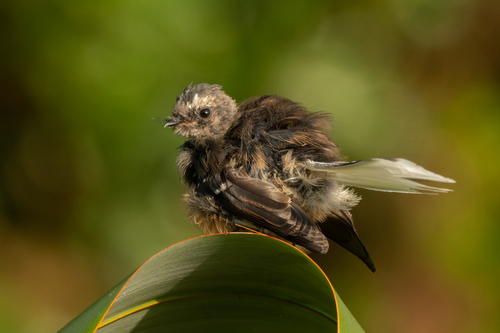 Abanico Maorí
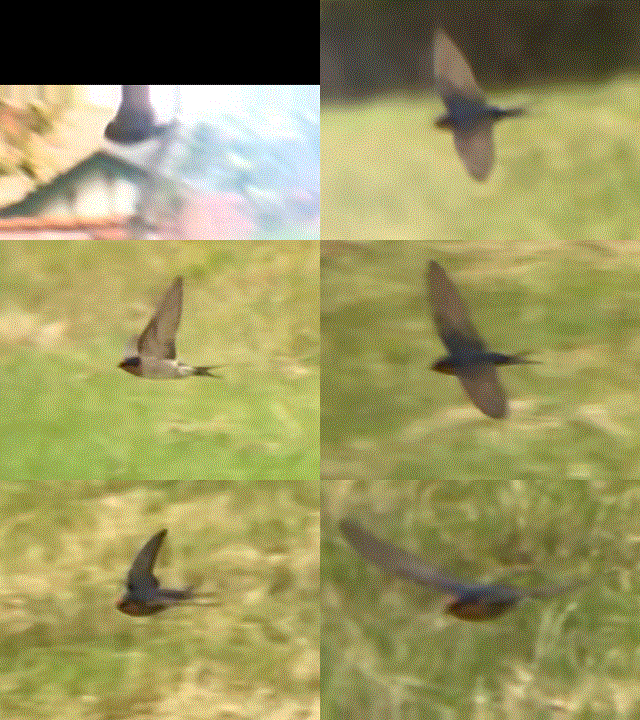 Golondrina Australiana
En breve
La marca de campo más confiable para separar el Abanico Maorí de la Golondrina Australiana es la cola: los abanicos muestran una cola ancha y en forma de abanico (a menudo abierta y mostrando un fuerte contraste entre las plumas exteriores blancas y las plumas centrales oscuras), mientras que las golondrinas tienen una cola larga y profundamente bifurcada con manchas blancas. En vuelo, los movimientos erráticos y rápidos del abanico y el frecuente aleteo de su cola son distintivos, contrastando con el vuelo suave, rápido y deslizante de la golondrina y sus alas largas y puntiagudas. Las golondrinas juveniles carecen de las largas cintas de cola de los adultos, pero aún muestran una cola bifurcada, mientras que los abanicos juveniles se parecen a los adultos pero son más marrones y menos marcados. Ambas especies son pequeñas y ágiles, pero el abanico es más ligero y compacto. Los llamados son diferentes: los abanicos tienen un llamado metálico y parloteante, mientras que las golondrinas emiten suaves trinos y gorjeos.
Consejos de identificación
- La forma de la cola es la mejor marca de campo: Los abanicos tienen una cola ancha, redondeada y en forma de abanico, a menudo abierta y mostrando un fuerte contraste entre las plumas exteriores blancas y las plumas centrales oscuras (excepto en la rara morfología negra). Las golondrinas tienen una cola larga y profundamente bifurcada con cintas puntiagudas y una fila de manchas blancas; incluso los juveniles muestran una cola bifurcada, aunque las cintas son más cortas.
- Estilo de vuelo: Los abanicos son erráticos, rápidos y a menudo se detienen o saltan de los posaderos, frecuentemente abriendo sus colas. Las golondrinas vuelan de manera suave y rápida, con largos deslizamientos y un vuelo directo y rápido, rara vez abriendo sus colas.
- Color de la parte superior: Los abanicos son grises o marrones por encima (nunca metálicos), mientras que las golondrinas son azul-negro metálico por encima.
- Color de la parte inferior: Los abanicos son amarillentos o naranjas por debajo con una banda oscura en el pecho y garganta blanca; las golondrinas son de color gris claro por debajo con una frente, garganta y parte superior del pecho oxidadas (rufas), careciendo de cualquier banda en el pecho.
- Marcas faciales: Los abanicos tienen una garganta blanca y marcas blancas sobre el ojo; las golondrinas tienen una frente y garganta oxidadas (rufas), sin supercilio blanco.
- Marcas en la cola: La cola del abanico está audazmente marcada con plumas exteriores blancas (excepto en las morfologías negras); la cola de la golondrina tiene una fila de manchas blancas en las plumas, visibles cuando la cola está extendida.
- Diferencias juveniles: Las golondrinas juveniles tienen frente y garganta de un blanco amarillento (no rufas), y cintas de cola más cortas, pero aún muestran una cola bifurcada. Los abanicos juveniles son más marrones que los adultos, con marcas corporales menos distintas, pero conservan la cola en forma de abanico.
- Comportamiento de posado: Los abanicos se posan con frecuencia, a menudo moviendo y abriendo sus colas; las golondrinas rara vez se posan por mucho tiempo, y cuando lo hacen, su larga cola bifurcada es obvia.
- Comportamiento de forrajeo: Los abanicos saltan de los posaderos y a menudo siguen a las personas para atrapar insectos perturbados; las golondrinas forrajean exclusivamente en vuelo, a menudo sobre agua o terreno abierto.
- Preferencia de hábitat: Los abanicos son más comunes en hábitats boscosos o arbustivos; las golondrinas prefieren áreas abiertas, tierras agrícolas y cuerpos de agua.
- Voz: El llamado del abanico es un 'cheek' metálico y parloteante, mientras que el llamado de la golondrina es un suave trino o gorjeo, más silencioso y menos distintivo.
- Tamaño y estructura: Las golondrinas son más pesadas y alargadas, con alas y cola largas; los abanicos son más ligeros, más compactos y de cuerpo redondeado.
- Morfologías raras: El abanico de morfología negra es completamente oscuro excepto por una mancha blanca detrás del ojo, pero aún muestra la cola en forma de abanico y comportamiento errático; las golondrinas nunca son completamente oscuras.
- Contexto estacional: Ambas especies están presentes durante todo el año en gran parte de Nueva Zelanda, pero las golondrinas son más propensas a ser vistas en hábitats abiertos y sobre agua, especialmente en bandadas fuera de la temporada de cría.
- Errores comunes: Las golondrinas juveniles que carecen de largas cintas de cola pueden ser confundidas con los abanicos, pero siempre verifique la cola bifurcada (no abierta) y la ausencia de banda en el pecho o partes inferiores amarillentas.
Tamaño
La Golondrina Australiana es aproximadamente el doble de pesada que el Abanico Maorí (15.0 g frente a 7.2 g [wikidata]), pero ambas son igualmente pequeñas en longitud total (abanico: 16 cm, golondrina: 15 cm [wikipedia]). La longitud del abanico se exagera por su cola ancha y abierta, mientras que la longitud de la golondrina incluye sus largas cintas de cola bifurcadas (más largas en los machos). En mano, las golondrinas son notablemente más robustas y pesadas, pero esto es sutil en el campo. El abanico parece más compacto y redondeado, mientras que la golondrina es más esbelta y alargada.
Plumaje
Las golondrinas juveniles son de un blanco amarillento en la frente y la garganta, con cintas de cola más cortas que los adultos, pero aún muestran una cola bifurcada. Los abanicos juveniles son similares a los adultos pero más marrones en general y tienen marcas corporales menos distintivas; su cola sigue siendo ancha y en forma de abanico. Los Abanicos Maorí adultos son de gris a gris oscuro o marrón grisáceo por encima, amarillentos o naranjas por debajo, con una banda oscura en el pecho, garganta blanca y llamativas plumas exteriores de la cola blancas (o, en la rara morfología negra, completamente oscuras excepto por una mancha blanca detrás del ojo). Las Golondrinas Australiana son de azul-negro metálico por encima, gris claro por debajo, y tienen una frente, garganta y parte superior del pecho oxidadas (rufas), con una cola larga y profundamente bifurcada marcada por una fila de manchas blancas. Las partes inferiores de la golondrina nunca son amarillentas o naranjas como en el abanico, y el abanico nunca muestra las partes superiores azul-negro metálico de la golondrina o su cara rufa.
Comportamiento
Los Abanicos Maorí casi nunca están quietos, constantemente saltando de un posadero a otro, a menudo moviendo y abriendo sus colas, y frecuentemente forrajeando cerca de las personas o en el suelo. Su vuelo es errático y aleteante, con cambios abruptos de dirección. Las Golondrinas Australiana, en contraste, son voladoras ágiles y graciosas, generalmente vistas volando rápido y bajo en áreas abiertas, a menudo en amplios círculos o figuras de ocho. Rara vez se posan por mucho tiempo, y su vuelo es suave, con largos deslizamientos y movimientos rápidos y directos. Las golondrinas a menudo beben en vuelo y pueden ser vistas lanzándose sobre el agua, lo que los abanicos no hacen.
Hábitat
Ambas especies se pueden encontrar en toda Nueva Zelanda, incluyendo jardines, parques y bordes de bosques. Los abanicos se ven más a menudo en áreas boscosas o arbustivas, incluyendo jardines suburbanos, donde forrajean entre árboles y arbustos. Las Golondrinas Australiana prefieren el campo abierto, tierras agrícolas, orillas de lagos y áreas urbanas, y son especialmente comunes cerca del agua. Aunque hay superposición, las golondrinas son más propensas a estar en hábitats abiertos y sin árboles y sobre el agua, mientras que los abanicos están más ligados a la vegetación.
Voz
El Abanico Maorí emite un llamado metálico de 'cheek', a menudo repetido en una serie de parloteos. El llamado es agudo y se escucha bien. La Golondrina Australiana produce una mezcla de suaves trinos y notas de gorjeo, con un silbido agudo en alarma, pero sus llamados son generalmente más silenciosos y menos lejanos que los del abanico. En el campo, el llamado del abanico es más probable que atraiga atención.