

narcissus flycatcher vs mugimaki flycatcher
Ficedula narcissina versus Ficedula mugimaki
Jogue um quiz com narcissus flycatcher e mugimaki flycatcher
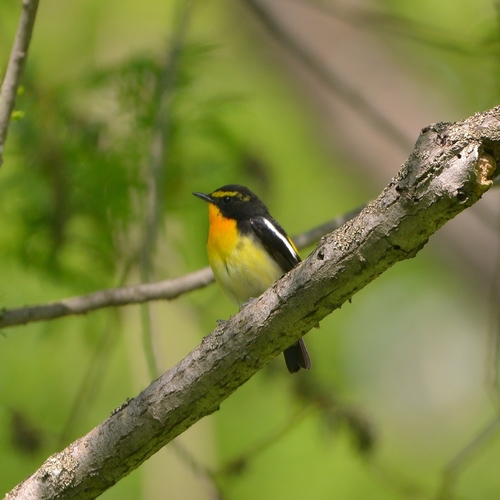 narcissus flycatcher
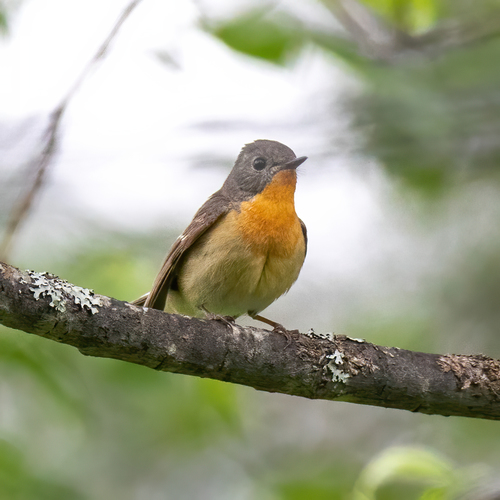 mugimaki flycatcher
Em resumo
A marca de campo mais confiável entre o narcissus flycatcher e o mugimaki flycatcher é a combinação do padrão da cabeça e das asas em machos adultos: os machos de narcissus apresentam uma sobrancelha e garganta laranja-amareladas ousadas com uma coroa preta e uma mancha branca proeminente na asa, enquanto os machos de mugimaki têm um supercílio branco mais curto, garganta e peito laranja-avermelhados, e uma mancha branca na asa, mas também branca na base das penas da cauda externa. Fêmeas e imaturos de ambas as espécies são muito mais apagados e semelhantes, mas fêmeas de mugimaki e machos jovens frequentemente apresentam supercílios fracos ou ausentes e carecem da forte mancha na asa do narcissus adulto. Pássaros juvenis e de primeiro inverno são particularmente complicados, mas diferenças sutis no padrão das asas e da cauda, assim como na cor do supercílio e das partes inferiores, podem ajudar. Ambas as espécies são altamente migratórias e se sobrepõem em grande parte da Ásia Oriental, portanto, o contexto sozinho não é confiável.
Dicas de identificação
- Padrão da cabeça do macho adulto: O narcissus tem uma sobrancelha laranja-amarelada ousada (supercílio) e coroa preta; o mugimaki tem um supercílio branco mais curto e menos óbvio e coroa escura. Esta é uma marca de campo chave na primavera e no início do verão.
- Garganta e peito do macho adulto: O narcissus apresenta uma garganta laranja brilhante com peito e partes inferiores mais claras; o mugimaki tem uma garganta e peito mais laranja-avermelhados com um contraste acentuado com a barriga e a parte inferior brancas.
- Mancha na asa do macho adulto: Ambos têm uma mancha branca na asa, mas a do narcissus é tipicamente maior e mais nitidamente definida. O mugimaki também tem bordas brancas nas tertiais.
- Padrão da cauda (macho adulto e jovem macho mugimaki): O mugimaki mostra branco na base das penas da cauda externa, visível em voo ou quando a cauda é agitada. O narcissus não possui esse branco na cauda.
- Cor do rabo (macho adulto narcissus): O narcissus tem um rabo laranja-amarelado distinto, que está ausente no mugimaki.
- Supercílios de fêmeas e imaturos: As fêmeas de narcissus têm um anel ocular bicolor e geralmente não possuem supercílio; fêmeas de mugimaki e machos jovens podem mostrar um supercílio fraco ou ausente, mas quando presente, é mais curto e mais claro do que no macho narcissus.
- Padrão das asas de fêmeas e imaturos: As fêmeas de narcissus têm asas de cor ferrugem sem faixas de asa óbvias; fêmeas de mugimaki e machos jovens têm uma ou duas faixas de asa pálidas, não uma mancha ousada.
- Partes inferiores (fêmea/imaturo): As fêmeas de narcissus são marrons-claro por baixo, enquanto as fêmeas de mugimaki são laranja-marrom pálido no peito e na garganta, com uma barriga mais branca.
- Anel ocular (fêmea narcissus): O anel ocular bicolor da fêmea narcissus é uma marca sutil, mas útil, quando visto bem.
- Sinais comportamentais: O mugimaki é especialmente propenso a agitar as asas e a cauda, mas isso não é exclusivo.
- Variabilidade do plumagem: Machos não reprodutores e de primeiro ano de ambas as espécies podem mostrar características intermediárias; nesses casos, procure o padrão da cauda e as faixas/manchas das asas.
- Canto e chamada: Se cantando, o narcissus emite apitos melodiosos; o mugimaki tem uma chamada ruidosa. Use com cautela, a menos que ouvido bem.
- Habitat e contexto: Ambos podem ocorrer juntos durante a migração; não confie apenas no habitat.
- Tamanho: O narcissus é ligeiramente mais pesado, mas não de forma perceptível em campo.
- Armadilhas: Cuidado para não confundir machos de primeiro ano apagados de ambas as espécies, que podem mostrar uma mistura de características. Foque no padrão da cauda, nas marcas das asas e no padrão da cabeça para melhores resultados.
Tamanho
O narcissus flycatcher é ligeiramente mais pesado (12,0g) do que o mugimaki flycatcher (10,8g), mas essa diferença provavelmente não será perceptível em campo. Ambos são pequenos, ativos e têm proporções gerais semelhantes. O comprimento não é diagnóstico entre eles.
Plumagem
- Pássaros juvenis/De primeiro inverno/Imaturos: Ambas as espécies são apagadas, mas os jovens machos de mugimaki podem mostrar um supercílio mais óbvio e algum branco na cauda, enquanto as fêmeas e imaturos de narcissus são geralmente marrons-claro com asas ferrugem e um anel ocular bicolor. Fêmeas de mugimaki e machos jovens carecem da forte mancha branca na asa do narcissus adulto e, em vez disso, têm uma ou duas faixas de asa pálidas.
- Machos adultos (reprodução): O macho narcissus é impressionante com uma coroa e manto pretos, sobrancelha laranja-amarelada, garganta laranja brilhante, peito mais claro, rabo laranja-amarelado e uma mancha branca ousada na asa. O macho mugimaki tem partes superiores escuras, um supercílio branco curto, garganta e peito laranja-avermelhados, barriga e parte inferior brancas, uma mancha branca na asa e branco na base das penas da cauda externa.
- Fêmeas adultas: A fêmea narcissus é marron-claro com asas ferrugem e um anel ocular bicolor, sem marcas fortes nas asas ou na cauda. A fêmea mugimaki é marrom-acinzentada por cima, laranja-marrom pálido por baixo, com supercílios fracos ou ausentes, uma ou duas faixas de asa pálidas e sem branco na cauda.
Comportamento
Ambas as espécies são ativas, frequentemente agitando as asas e a cauda. O mugimaki flycatcher é conhecido por agitar frequentemente as asas e a cauda, especialmente ao forragear no dossel. Ambas as espécies são tipicamente vistas sozinhas ou em pequenos grupos, capturando insetos. O comportamento não é um separador forte, mas o mugimaki pode parecer ligeiramente mais inquieto e é mais provável de ser visto em parques e jardins durante a migração.
Habitat
Ambas as espécies nidificam em florestas temperadas e bosques e migram através de habitats semelhantes na Ásia Oriental. O mugimaki flycatcher está especialmente associado a florestas de maior elevação, mas também frequenta parques e jardins durante a migração. O narcissus flycatcher prefere bosques decíduos. A sobreposição de habitat é extensa, portanto, isso não é um separador confiável.
Voz
Machos de narcissus flycatcher cantam apitos melodiosos repetidos durante a temporada de reprodução. O mugimaki flycatcher tem uma chamada ruidosa. O canto é útil se ouvido bem, mas ambas as espécies são frequentemente silenciosas durante a migração e as chamadas podem ser difíceis de distinguir em campo.
narcissus flycatcher · mugimaki flycatcher · Minhas aves difíceis