

Narcissus Flycatcher vs Pigliamosche mugimaki
Ficedula narcissina contro Ficedula mugimaki
Fai un quiz con Narcissus Flycatcher e Pigliamosche mugimaki
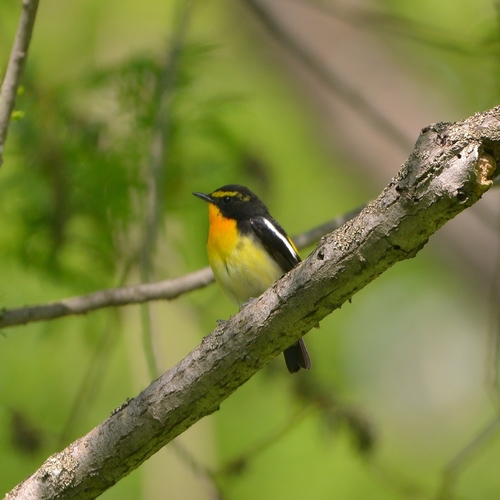 Narcissus Flycatcher
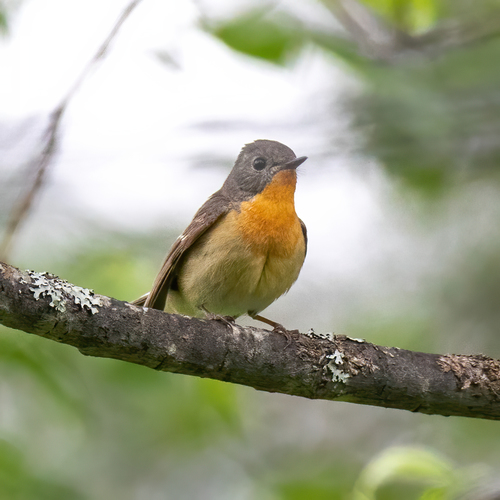 Pigliamosche mugimaki
In breve
Il segno di campo più affidabile tra il Narcissus Flycatcher e il Pigliamosche mugimaki è la combinazione di pattern della testa e delle ali nei maschi adulti: i maschi di Narcissus mostrano un audace sopracciglio arancio-giallo e una gola con una corona nera e una prominente macchia bianca sulle ali, mentre i maschi di Mugimaki hanno un sopracciglio bianco più corto, gola e petto arancio-rossastro, e una macchia bianca sulle ali ma anche bianco alla base delle penne della coda esterna. Le femmine e gli immaturi di entrambe le specie sono molto più opachi e simili, ma le femmine di Mugimaki e i giovani maschi mostrano spesso un sopracciglio debole o assente e mancano della forte macchia bianca sulle ali degli adulti di Narcissus. Gli uccelli giovanili e di primo inverno sono particolarmente difficili, ma sottili differenze nel pattern delle ali e della coda, così come nel colore del sopracciglio e delle parti inferiori, possono aiutare. Entrambe le specie sono altamente migratorie e si sovrappongono in gran parte dell'Asia orientale, quindi il contesto da solo non è affidabile.
Consigli di identificazione
- Pattern della testa del maschio adulto: Narcissus ha un audace sopracciglio arancio-giallo (sopracciglio) e corona nera; Mugimaki ha un sopracciglio bianco più corto e meno evidente e corona nerastra. Questo è un segno di campo chiave in primavera e all'inizio dell'estate.
- Gola e petto del maschio adulto: Narcissus mostra una gola arancio brillante con petto e parti inferiori più chiare; Mugimaki ha una gola e un petto arancio-rossastro con un forte contrasto rispetto al ventre e all'undertail bianchi.
- Macchia sulle ali del maschio adulto: Entrambi hanno una macchia bianca sulle ali, ma quella di Narcissus è tipicamente più grande e più nettamente definita. Mugimaki ha anche bordi bianchi sulle terziali.
- Pattern della coda (maschio adulto e giovane maschio di Mugimaki): Mugimaki mostra bianco alla base delle penne della coda esterna, visibile in volo o quando la coda viene scossa. Narcissus non ha questo bianco nella coda.
- Colore del posteriore (maschio adulto di Narcissus): Narcissus ha un posteriore arancio-giallo distintivo, che è assente in Mugimaki.
- Sopracciglio delle femmine e degli immaturi: Le femmine di Narcissus hanno un anello oculare bicolore e generalmente mancano di un sopracciglio; le femmine di Mugimaki e i giovani maschi possono mostrare un sopracciglio debole o assente, ma quando presente, è più corto e più chiaro rispetto al maschio di Narcissus.
- Pattern delle ali delle femmine e degli immaturi: Le femmine di Narcissus hanno ali di colore ruggine senza bande evidenti; le femmine di Mugimaki e i giovani maschi hanno una o due bande chiare, non una macchia audace.
- Parti inferiori (femmina/immaturo): Le femmine di Narcissus sono marrone chiaro sotto, mentre le femmine di Mugimaki sono marrone chiaro-arancio sul petto e sulla gola, con un ventre più bianco.
- Anello oculare (femmina di Narcissus): L'anello oculare bicolore della femmina di Narcissus è un segno sottile ma utile quando visto bene.
- Indizi comportamentali: Mugimaki è particolarmente incline a scuotere ali e coda, ma questo non è esclusivo.
- Variabilità del piumaggio: I maschi non in riproduzione e di primo anno di entrambe le specie possono mostrare caratteristiche intermedie; in questi casi, cerca il pattern della coda e le bande/macchie delle ali.
- Canto e richiamo: Se canta, Narcissus emette fischi melodiosi; Mugimaki ha un richiamo stridulo. Usa con cautela a meno che non sia sentito bene.
- Habitat e contesto: Entrambi possono verificarsi insieme in migrazione; non fare affidamento solo sull'habitat.
- Dimensioni: Narcissus è leggermente più pesante, ma non in modo evidente sul campo.
- Trappole: Fai attenzione a confondere i maschi di primo anno opachi di entrambe le specie, che possono mostrare un mix di caratteristiche. Concentrati sul pattern della coda, sulle marcature delle ali e sul pattern della testa per i migliori risultati.
Taglia
Il Narcissus Flycatcher è leggermente più pesante (12.0g) rispetto al Pigliamosche mugimaki (10.8g), ma questa differenza non è probabilmente evidente sul campo. Entrambi sono piccoli, attivi pigliamosche con proporzioni complessive simili. La lunghezza non è diagnostica tra di loro.
Piumaggio
- Uccelli giovanili/Primo inverno/Immaturi: Entrambe le specie sono opache, ma i giovani maschi di Mugimaki possono mostrare un sopracciglio più evidente e un po' di bianco nella coda, mentre le femmine e gli immaturi di Narcissus sono generalmente marrone chiaro con ali ruggine e un anello oculare bicolore. Le femmine di Mugimaki e i giovani maschi mancano della forte macchia bianca sulle ali degli adulti di Narcissus e hanno invece una o due bande chiare.
- Maschi adulti (riproduzione): Il maschio di Narcissus è sorprendente con una corona e un mantello neri, sopracciglio arancio-giallo, gola arancio brillante, petto più chiaro, posteriore arancio-giallo e una forte macchia bianca sulle ali. Il maschio di Mugimaki ha parti superiori nerastre, un sopracciglio bianco corto, gola e petto arancio-rossastro, ventre e undertail bianchi, una macchia bianca sulle ali e bianco alla base delle penne della coda esterna.
- Femmine adulte: La femmina di Narcissus è marrone chiaro con ali ruggine e un anello oculare bicolore, mancando di forti marcature sulle ali o sulla coda. La femmina di Mugimaki è marrone-grigio sopra, marrone chiaro-arancio sotto, con sopracciglio debole o assente, una o due bande chiare e nessun bianco nella coda.
Comportamento
Entrambe le specie sono attive, spesso scuotendo ali e coda. Il Pigliamosche mugimaki è noto per il frequente scuotimento di ali e coda, specialmente quando cerca cibo nella chioma degli alberi. Entrambe le specie sono tipicamente viste sole o in piccoli gruppi, mentre cacciano insetti. Il comportamento non è un forte separatore, ma Mugimaki può apparire leggermente più irrequieto ed è più probabile che venga visto in parchi e giardini durante la migrazione.
Habitat
Entrambe le specie nidificano in foreste temperate e boschi e migrano attraverso habitat simili in Asia orientale. Il Pigliamosche mugimaki è particolarmente associato a foreste di alta quota ma frequenta anche parchi e giardini durante la migrazione. Il Narcissus Flycatcher preferisce boschi decidui. La sovrapposizione degli habitat è estesa, quindi questo non è un separatore affidabile.
Voce
I maschi di Narcissus Flycatcher cantano fischi melodiosi ripetuti durante la stagione riproduttiva. Il Pigliamosche mugimaki ha un richiamo stridulo. Il canto è utile se sentito bene, ma entrambe le specie sono spesso silenziose in migrazione e i richiami possono essere difficili da distinguere sul campo.
Narcissus Flycatcher · Pigliamosche mugimaki · I miei uccelli difficili