

Motmot

キビタキ 対 ムギマキ

Ficedula narcissina 対 Ficedula mugimaki

キビタキとムギマキのクイズ
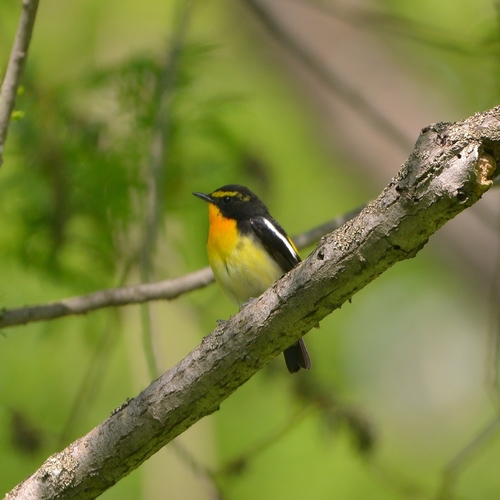
キビタキ (Ficedula narcissina) キビタキ
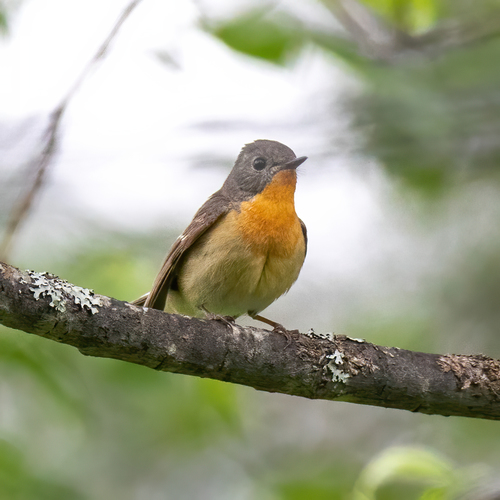
ムギマキ (Ficedula mugimaki) ムギマキ

メディア

読み込み中…

要点

キビタキとムギマキの間で最も信頼できるフィールドマークは、成鳥のオスにおける頭部と翼のパターンの組み合わせです:キビタキのオスは、黒い冠と目立つ白い翼の斑点を持つ、鮮やかなオレンジイエローの眉と喉を示し、ムギマキのオスは、短い白いスーパシリウム、オレンジレッドの喉と胸、白い翼の斑点を持ち、外尾羽の基部にも白があります。両種の雌と幼鳥はずっと地味で似ていますが、ムギマキの雌と若いオスはしばしば微弱または欠如したスーパシリウムを示し、成鳥のキビタキの強い翼の斑点を欠いています。幼鳥と初冬の鳥は特に難しいですが、翼と尾のパターン、スーパシリウムと腹部の色の微妙な違いが役立つことがあります。両種は非常に渡り性が強く、東アジアの多くの地域で重なり合うため、文脈だけでは信頼できません。

識別のコツ

  1. 成鳥オスの頭部パターン: キビタキは鮮やかなオレンジイエローの眉(スーパシリウム)と黒い冠を持ち、ムギマキは短く、あまり目立たない白いスーパシリウムと黒っぽい冠を持っています。これは春と初夏の重要なフィールドマークです。
  2. 成鳥オスの喉と胸: キビタキは明るいオレンジの喉と淡い胸と腹部を示し、ムギマキは白い腹部と尾の下部に対して鮮やかなオレンジレッドの喉と胸を持っています。
  3. 成鳥オスの翼の斑点: 両者とも白い翼の斑点を持っていますが、キビタキのものは通常、より大きく、より明確に定義されています。ムギマキも三次羽に白い縁があります。
  4. 尾のパターン(成鳥オスと若いオスのムギマキ): ムギマキは外尾羽の基部に白を示し、飛行中または尾を振ったときに見えます。キビタキは尾にこの白を欠いています。
  5. 尾羽の色(成鳥オスのキビタキ): キビタキは特徴的なオレンジイエローの尾羽を持ち、ムギマキにはこれがありません。
  6. 雌と幼鳥のスーパシリウム: キビタキの雌は二色のアイリングを持ち、一般的にスーパシリウムを欠いています。ムギマキの雌と若いオスは微弱または欠如したスーパシリウムを示すことがありますが、存在する場合はキビタキのオスよりも短く淡いです。
  7. 雌と幼鳥の翼のパターン: キビタキの雌は明るい色の翼を持ち、明確な翼帯はありません。ムギマキの雌と若いオスは1つまたは2つの淡い翼帯を持ち、目立つ斑点はありません。
  8. 腹部(雌/幼鳥): キビタキの雌は下部がバフブラウンですが、ムギマキの雌は胸と喉が淡いオレンジブラウンで、腹部はより白いです。
  9. アイリング(雌のキビタキ): キビタキの雌の二色のアイリングは、よく見られたときに微妙ですが役立つマークです。
  10. 行動の手がかり: ムギマキは特に翼と尾を振る傾向がありますが、これは独占的ではありません。
  11. 羽毛の変異性: 両種の非繁殖期および初年度のオスは中間的な特徴を示すことがあります。この場合、尾のパターンと翼帯/斑点を探してください。
  12. 歌と鳴き声: 歌っている場合、キビタキはメロディックな口笛を発します。ムギマキはガラガラした鳴き声を持っています。よく聞こえない限り注意して使用してください。
  13. 生息地と文脈: 両者は渡り中に一緒に見られることがありますが、生息地だけに頼らないでください。
  14. サイズ: キビタキはわずかに重いですが、フィールドでは目立たない程度です。
  15. 落とし穴: 両種の地味な初年度のオスを混同しないように注意してください。これらは特徴の混合を示すことがあります。最良の結果を得るためには、尾のパターン、翼のマーキング、および頭部のパターンに焦点を当ててください。

大きさ

キビタキはムギマキよりわずかに重い(12.0g対10.8g)ですが、この違いはフィールドでは目立たないでしょう。両者は小さく、活発なコマドリで、全体的な比率は似ています。長さは両者の識別には役立ちません。

羽色

行動

両種は活発で、しばしば翼と尾を振ります。ムギマキは特に翼と尾を頻繁に振ることで知られており、特に樹冠で採餌しているときに顕著です。両種は通常、単独または小さな群れで見られ、昆虫を捕まえるために飛び出します。行動は強い識別要因ではありませんが、ムギマキはわずかに落ち着きがないように見え、渡り中に公園や庭で見られる可能性が高いです。

生息環境

両種は温帯の森林や林地で繁殖し、東アジアの類似の生息地を渡ります。ムギマキは特に高地の森林に関連していますが、渡り中は公園や庭にも頻繁に出現します。キビタキは落葉樹の林地を好みます。生息地の重なりは広範囲にわたるため、これは信頼できる識別要因ではありません。

声

キビタキのオスは繁殖期に繰り返しメロディックな口笛を歌います。ムギマキはガラガラした鳴き声を持っています。歌はよく聞こえた場合に役立ちますが、両種は渡り中はしばしば静かで、鳴き声はフィールドで区別するのが難しいことがあります。

より良い説明を送る

比較と同じ項目を使ってください。文章はすぐに公開されます。

The most reliable field mark between Narcissus Flycatcher and Mugimaki Flycatcher is the combination of head and wing pattern in adult males: Narcissus males show a bold orange-yellow eyebrow and throat with a black crown and a prominent white wing patch, while Mugimaki males have a shorter white supercilium, orange-red throat and breast, and a white wing patch but also white at the base of the outer tail feathers. Females and immatures of both species are much duller and more similar, but Mugimaki females and young males often show faint or absent supercilium and lack the strong wing patch of adult Narcissus. Juvenile and first-winter birds are particularly tricky, but subtle differences in wing and tail pattern, as well as supercilium and underpart color, can help. Both species are highly migratory and overlap in much of East Asia, so context alone is not reliable.

  1. Adult male head pattern: Narcissus has a bold orange-yellow eyebrow (supercilium) and black crown; Mugimaki has a shorter, less obvious white supercilium and blackish crown. This is a key field mark in spring and early summer.
  2. Adult male throat and breast: Narcissus shows a bright orange throat with paler chest and underparts; Mugimaki has a more orange-red throat and breast with a sharp contrast to the white belly and undertail.
  3. Adult male wing patch: Both have a white wing patch, but Narcissus's is typically larger and more sharply defined. Mugimaki also has white edges to the tertials.
  4. Tail pattern (adult male and young male Mugimaki): Mugimaki shows white at the base of the outer tail feathers, visible in flight or when tail is flicked. Narcissus lacks this white in the tail.
  5. Rump color (adult male Narcissus): Narcissus has a distinctive orange-yellow rump, which is absent in Mugimaki.
  6. Female and immature supercilium: Narcissus females have a two-toned eyering and generally lack a supercilium; Mugimaki females and young males may show a faint or absent supercilium, but when present, it is shorter and paler than in male Narcissus.
  7. Female and immature wing pattern: Narcissus females have rusty-colored wings without obvious wingbars; Mugimaki females and young males have one or two pale wingbars, not a bold patch.
  8. Underparts (female/immature): Narcissus females are buff-brown below, while Mugimaki females are pale orange-brown on the breast and throat, with a whiter belly.
  9. Eyering (female Narcissus): The two-toned eyering of Narcissus female is a subtle but helpful mark when seen well.
  10. Behavioral cues: Mugimaki is especially prone to flicking wings and tail, but this is not exclusive.
  11. Plumage variability: Non-breeding and first-year males of both species can show intermediate features; in these cases, look for tail pattern and wingbars/patches.
  12. Song and call: If singing, Narcissus gives melodious whistles; Mugimaki has a rattling call. Use with caution unless heard well.
  13. Habitat and context: Both can occur together in migration; do not rely on habitat alone.
  14. Size: Narcissus is slightly heavier, but not noticeably so in the field.
  15. Pitfalls: Beware of confusing dull first-year males of both species, which can show a mix of features. Focus on tail pattern, wing markings, and head pattern for best results.

Narcissus Flycatcher is slightly heavier (12.0g) than Mugimaki Flycatcher (10.8g), but this difference is not likely to be noticeable in the field. Both are small, active flycatchers with similar overall proportions. Length is not diagnostic between them.

  • Juvenile/First-winter/Immature birds: Both species are drab, but Mugimaki young males can show a more obvious supercilium and some white in the tail, while Narcissus females and immatures are generally buff-brown with rusty wings and a two-toned eyering. Mugimaki females and young males lack the strong white wing patch of adult Narcissus and instead have one or two pale wingbars.
  • Adult males (breeding): Narcissus male is striking with a black crown and mantle, orange-yellow eyebrow, bright orange throat, paler chest, orange-yellow rump, and a bold white wing patch. Mugimaki male has blackish upperparts, a short white supercilium, orange-red throat and breast, white belly and undertail, a white wing patch, and white at the base of the outer tail feathers.
  • Adult females: Narcissus female is buff-brown with rusty wings and a two-toned eyering, lacking strong wing or tail markings. Mugimaki female is grey-brown above, pale orange-brown below, with faint or absent supercilium, one or two pale wingbars, and no white in the tail.

Both species are active, often flicking wings and tail. Mugimaki Flycatcher is noted for frequent wing and tail flicking, especially when foraging in the canopy. Both species are typically seen alone or in small groups, sallying for insects. Behavior is not a strong separator, but Mugimaki may appear slightly more restless and is more likely to be seen in parks and gardens during migration.

Both species breed in temperate forests and woodlands and migrate through similar habitats in East Asia. Mugimaki Flycatcher is especially associated with higher elevation forests but also frequents parks and gardens on migration. Narcissus Flycatcher prefers deciduous woodlands. Habitat overlap is extensive, so this is not a reliable separator.

Narcissus Flycatcher males sing repeated melodious whistles during the breeding season. Mugimaki Flycatcher has a rattling call. Song is useful if heard well, but both species are often silent on migration and calls can be hard to distinguish in the field.

変更を破棄しますか?

保存していない編集があります。今離れると失われます。

キビタキ · ムギマキ · 苦手な鳥