

marbled murrelet vs airo
Brachyramphus marmoratus versus Uria aalge
Jogue um quiz com marbled murrelet e airo
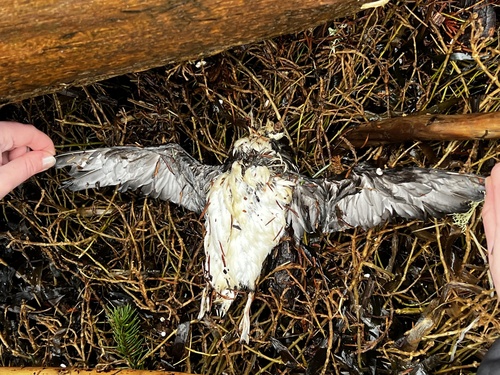 marbled murrelet
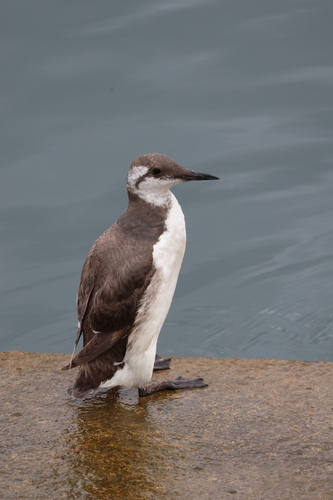 airo
Em resumo
A marca de campo mais confiável para separar o marbled murrelet do airo é a estrutura e o tamanho geral: o marbled murrelet é muito menor, mais robusto e com bico mais curto, enquanto o airo é notavelmente maior e mais longo. Em voo ou na água, o marbled murrelet apresenta um perfil compacto e atarracado com um bico curto e esguio, enquanto o airo é longo e com bico em forma de adaga. Na plumagem não reprodutiva, o marbled murrelet tem um colar branco e uma cabeça menor e mais arredondada, enquanto o airo é mais escuro na parte superior, com um rosto branco e um esporão escuro atrás do olho. Padrões de asa superiores juvenis e imaturos não são especificamente descritos para nenhuma das espécies nas fontes, então concentre-se na estrutura e na plumagem sazonal. Ambas as espécies são alcídeos, mas seu comportamento e contexto diferem marcadamente: os murrelets são solitários ou em pares, enquanto os guillemots costumam estar em colônias densas.
Dicas de identificação
- O tamanho é a primeira verificação: o marbled murrelet é muito menor e mais robusto que o airo. Se o pássaro parecer quase metade do comprimento de um guillemot ou outro grande alcídeo, suspeite do murrelet.
- Forma do bico: o marbled murrelet tem um bico curto, esguio e preto; o bico do airo é longo, fino e em forma de adaga. Isso é óbvio a curta distância ou de perfil.
- Estrutura do corpo: o murrelet é compacto, com um pescoço curto e cabeça arredondada; o guillemot é de corpo longo, com uma postura mais ereta em terra e um pescoço mais longo.
- Plumagem não reprodutiva: procure um colar branco no pescoço do marbled murrelet no inverno—ausente no airo. O guillemot apresenta um rosto branco com um esporão escuro atrás do olho, que o murrelet não possui.
- Plumagem reprodutiva: o marbled murrelet é marrom e manchado por toda parte, incluindo o rosto; o airo é escuro (ou marrom escuro) na parte superior e branco na parte inferior, com uma divisão nítida e sem manchas.
- Morfologia com coleira: alguns airos (especialmente no norte) apresentam um anel ocular branco e uma linha ('com coleira'), nunca vistos no marbled murrelet.
- Contexto de habitat: um pequeno alcídeo voando para o interior ou perto de florestas antigas é provavelmente um murrelet. Grandes números em penhascos ou ilhas rochosas são sempre guillemots.
- Tamanho do grupo: os murrelets são solitários ou em pares; os guillemots costumam estar em bandos ou colônias densas.
- Na água: o marbled murrelet fica mais baixo e parece mais arredondado; o guillemot é mais longo, fica mais alto e frequentemente em grupos.
- Estilo de voo: o voo do murrelet é rápido e direto, com batidas de asas rápidas e uma aparência atarracada; o guillemot é mais poderoso, com asas mais longas e um corpo mais reto.
- Confusão juvenil/imatura: nenhum padrão de asa superior juvenil distintivo é descrito para nenhuma das espécies, então confie no tamanho e na estrutura.
- Voz: se ouvido, um forte rosnado 'murrrr' ou a cacofonia de uma colônia aponta para o guillemot; os murrelets geralmente são silenciosos.
- Cor do bico: ambos têm bicos escuros, mas o do guillemot é muito mais longo e mais pontudo.
- Cauda: ambos têm caudas curtas, mas a do murrelet é especialmente atarracada e menos perceptível.
- Armadilhas de plumagem: em luz fraca ou à distância, o rosto branco do guillemot e o esporão escuro podem ser confundidos com um colar; verifique a completude do colar e o tamanho do pássaro.
Tamanho
O marbled murrelet é muito menor: cerca de 25 cm de comprimento [wikipedia], com um corpo compacto e robusto e bico curto. O airo é substancialmente maior, com 38–46 cm de comprimento e envergadura de 61–73 cm [wikipedia]. Os guillemots também são mais pesados, pesando entre 775–1.250 g, em comparação com o murrelet muito mais leve. No campo, essa diferença de tamanho é marcante se ambos forem vistos juntos ou com outros alcídeos para escala.
Plumagem
- Juvenil/Imaturo: Nenhuma diferença específica de padrão de asa superior ou de voo é descrita para juvenis ou imaturos em nenhuma das espécies nas fontes. Ambos têm filhotes cobertos de penugem, mas estes não são vistos no mar.
- Plumagem não reprodutiva (inverno): o marbled murrelet é branco na parte inferior com uma coroa preta, nuca, asas e costas, e apresenta um colar branco no pescoço. O airo no inverno também é branco na parte inferior, mas tem um rosto branco com um esporão escuro atrás do olho e não possui o colar branco do murrelet. Alguns guillemots apresentam um anel ocular branco e linha ('morfologia com coleira'), nunca mostrados pelo murrelet.
- Plumagem reprodutiva: ambas as espécies escurecem na parte superior e têm partes inferiores brancas, mas o marbled murrelet torna-se marrom e manchado por toda parte, sem a garganta clara do airinho-de-bico-comprido (não relevante aqui). O airo é escuro (ou marrom escuro em algumas populações) na parte superior, branco na parte inferior, com uma demarcação limpa e sem manchas. O bico e o rosto permanecem escuros no guillemot; o rosto do murrelet é marrom manchado.
- Bico: o bico do marbled murrelet é curto e esguio; o do airo é longo, fino e em forma de adaga.
Comportamento
O marbled murrelet é tipicamente visto sozinho ou em pares, raramente em grupos, e é frequentemente reservado e cauteloso, especialmente perto de áreas de nidificação. Ele se desloca entre o oceano e os locais de nidificação em florestas, às vezes voando para o interior ao amanhecer ou ao entardecer. O airo é altamente gregário, formando colônias densas em penhascos ou ilhas rochosas, e é frequentemente visto em grandes grupos na água. Os guillemots ficam eretos em terra, enquanto os murrelets raramente vão à costa, exceto para nidificar, e não nidificam em colônias.
Habitat
O marbled murrelet está fortemente associado a florestas costeiras de crescimento antigo para nidificação, às vezes a grandes distâncias do litoral (até 80 km), e se alimenta no mar, mas raramente é visto perto de colônias. Em áreas do norte, pode nidificar no solo entre rochas. O airo se reproduz exclusivamente em penhascos rochosos ou ilhas, nunca no interior, e passa o resto do ano no mar em águas boreais ou de baixa arcticidade. Ver um pequeno alcídeo no interior ou perto de costas florestadas sugere murrelet; grandes números em penhascos ou no mar aberto sugerem guillemot.
Voz
O airo é muito vocal nas colônias, com um forte rosnado 'murrrr' e filhotes emitindo apitos agudos. O marbled murrelet é muito mais silencioso e reservado, sem chamadas distintivas descritas nas fontes para separação em campo. Na maioria das situações de campo, a vocalização não é um separador confiável.