

Marbled Murrelet vs Uria
Brachyramphus marmoratus contro Uria aalge
Fai un quiz con Marbled Murrelet e Uria
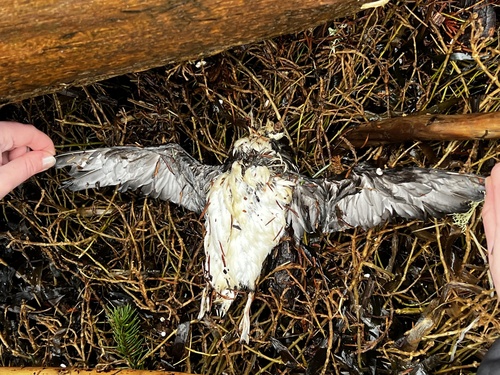 Marbled Murrelet
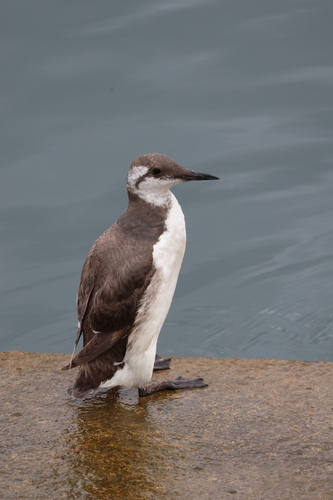 Uria
In breve
Il segno di campo più affidabile per separare il Marbled Murrelet dal Uria è la struttura e la dimensione complessive: il Marbled Murrelet è molto più piccolo, più robusto e con un becco più corto, mentre il Uria è notevolmente più grande e lungo nel corpo. In volo o sull'acqua, il Marbled Murrelet mostra un profilo compatto e tozzo con un becco corto e snello, mentre il Uria è lungo nel corpo e con un becco a forma di pugnale. In piumaggio non riproduttivo, il Marbled Murrelet ha un collare bianco e una testa più piccola e rotonda, mentre il Uria è più scuro sopra con un volto bianco e una spina scura dietro l'occhio. I modelli delle ali superiori giovanili e immaturi non sono specificamente descritti per nessuna delle due specie nelle fonti, quindi ci si concentra sulla struttura e sul piumaggio stagionale. Entrambe le specie sono alcidi, ma il loro aspetto e contesto differiscono notevolmente: i murrelets sono solitari o in coppie, i guillemots sono spesso in colonie dense.
Consigli di identificazione
- La dimensione è il primo controllo: il Marbled Murrelet è molto più piccolo e robusto del Uria. Se l'uccello sembra quasi lungo la metà di un guillemot o di un altro grande auk, sospetta il murrelet.
- Forma del becco: il Marbled Murrelet ha un becco corto, snello e nero; il becco del Uria è lungo, sottile e a forma di pugnale. Questo è ovvio a distanza ravvicinata o di profilo.
- Struttura del corpo: il murrelet è compatto con un collo corto e una testa rotonda; il guillemot è lungo nel corpo, con una postura più eretta sulla terra e un collo più lungo.
- Piumaggio non riproduttivo: cerca un collare bianco sul collo del Marbled Murrelet in inverno, assente nel Uria. Il guillemot mostra un volto bianco con una spina scura dietro l'occhio, che il murrelet non ha.
- Piumaggio riproduttivo: il Marbled Murrelet è marrone e maculato ovunque, incluso il volto; il Uria è nerastro (o marrone scuro) sopra e bianco sotto, con una netta divisione e senza maculature.
- Forma bridled: alcuni Common Guillemots (soprattutto a nord) mostrano un anello oculare bianco e una linea ('bridled'), mai visti nel Marbled Murrelet.
- Contesto dell'habitat: un piccolo alcide che vola verso l'interno o vicino a una foresta di vecchia crescita è probabilmente un murrelet. Grandi numeri su scogliere o isole rocciose sono sempre guillemots.
- Dimensione del gruppo: i murrelets sono solitari o in coppie; i guillemots sono spesso in densi stormi o colonie.
- Sull'acqua: il Marbled Murrelet si trova più in basso e appare più rotondo; il guillemot è più lungo, si trova più in alto e spesso in gruppi.
- Stile di volo: il volo del murrelet è rapido e diretto, con battiti d'ala veloci e un aspetto tozzo; il guillemot è più potente, con ali più lunghe e un corpo più dritto.
- Confusione giovanile/immatura: nessun modello distintivo delle ali superiori giovanili è descritto per nessuna delle due specie, quindi ci si affida a dimensione e struttura.
- Voce: se sentito, un forte ringhio 'murrrr' o una cacofonia di colonia indica guillemot; i murrelets sono solitamente silenziosi.
- Colore del becco: entrambi hanno becchi scuri, ma quello del guillemot è molto più lungo e appuntito.
- Coda: entrambi hanno code corte, ma quella del murrelet è particolarmente tozza e meno evidente.
- Trappole del piumaggio: in scarsa luce o a distanza, il volto bianco del guillemot e la spina scura possono essere scambiati per un collare; controlla la completezza del collare e la dimensione dell'uccello.
Taglia
Il Marbled Murrelet è molto più piccolo: circa 25 cm di lunghezza [wikipedia], con un corpo compatto e robusto e un becco corto. Il Uria è sostanzialmente più grande, con una lunghezza di 38–46 cm e un'apertura alare di 61–73 cm [wikipedia]. I guillemots sono anche più pesanti, pesando 775–1.250 g, rispetto al murrelet molto più leggero. Sul campo, questa differenza di dimensione è sorprendente se entrambi sono visti insieme o con altri alcidi per scala.
Piumaggio
- Giovanile/Immature: Non sono descritte differenze specifiche nei modelli delle ali superiori o nei modelli di volo per giovanili o immaturi in nessuna delle due specie nelle fonti. Entrambi hanno giovani con piumino, ma questi non sono visti in mare.
- Piumaggio non riproduttivo (inverno): il Marbled Murrelet è bianco sotto con una corona nera, nuca, ali e schiena, e mostra un collare bianco sul collo. Il Uria in inverno è anch'esso bianco sotto, ma ha un volto bianco con una spina scura dietro l'occhio e manca del collare bianco del murrelet. Alcuni guillemots mostrano un anello oculare bianco e una linea ('bridled' morph), mai mostrato dal murrelet.
- Piumaggio riproduttivo: entrambe le specie scuriscono sopra e hanno parti inferiori bianche, ma il Marbled Murrelet diventa marrone e maculato ovunque, mancando della gola chiara del Long-billed Murrelet (non rilevante qui). Il Uria è nerastro (o marrone scuro in alcune popolazioni) sopra, bianco sotto, con una netta demarcazione e senza maculature. Il becco e il volto rimangono scuri nel guillemot; il volto del murrelet è maculato di marrone.
- Becco: il becco del Marbled Murrelet è corto e snello; quello del Uria è lungo, sottile e a forma di pugnale.
Comportamento
Il Marbled Murrelet è tipicamente visto da solo o in coppie, raramente in gruppi, ed è spesso riservato e diffidente, soprattutto vicino alle aree di nidificazione. Si sposta tra l'oceano e i siti di nidificazione forestali, a volte volando verso l'interno al crepuscolo o all'alba. Il Uria è altamente gregario, formando colonie dense su scogliere o isole rocciose, ed è spesso visto in grandi zattere sull'acqua. I guillemots stanno eretti sulla terra, mentre i murrelets raramente vengono a riva se non per nidificare e non nidificano in colonie.
Habitat
Il Marbled Murrelet è fortemente associato a foreste costiere di vecchia crescita per nidificare, a volte lontano verso l'interno (fino a 80 km), e cerca cibo in mare ma è raramente visto vicino a colonie. Nelle aree settentrionali, può nidificare a terra tra le rocce. Il Uria nidifica esclusivamente su scogliere marine rocciose o isole, mai verso l'interno, e trascorre il resto dell'anno in mare in acque boreali o subartiche. Vedere un piccolo alcide verso l'interno o vicino a coste forestali suggerisce murrelet; grandi numeri su scogliere o mare aperto suggeriscono guillemot.
Voce
Il Uria è molto vocale nelle colonie, con un forte ringhio 'murrrr' e i pulcini che emettono fischi acuti. Il Marbled Murrelet è molto più silenzioso e riservato, senza chiamate distintive descritte nelle fonti per la separazione sul campo. Nella maggior parte delle situazioni sul campo, la vocalizzazione non è un separatore affidabile.