

Motmot

アメリカマダラウミスズメ 対 ウミガラス

Brachyramphus marmoratus 対 Uria aalge

アメリカマダラウミスズメとウミガラスのクイズ
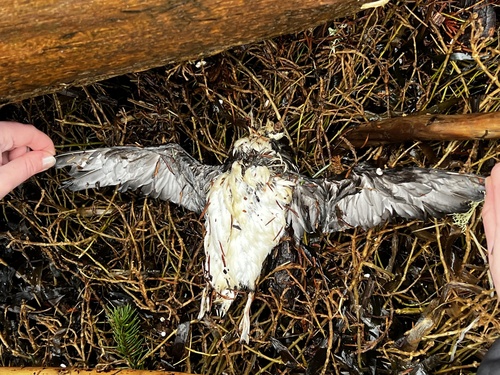
アメリカマダラウミスズメ (Brachyramphus marmoratus) アメリカマダラウミスズメ
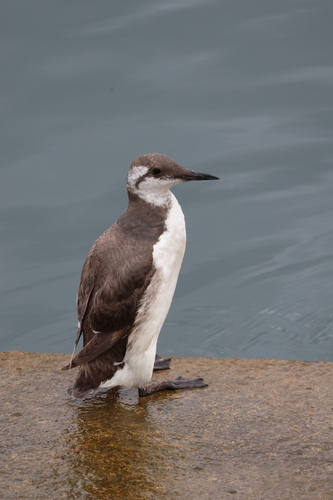
ウミガラス (Uria aalge) ウミガラス

メディア

読み込み中…

要点

マダラウミスズメとウミガラスを区別する最も信頼できるフィールドマークは、全体の構造とサイズです:マダラウミスズメはずっと小さく、ずんぐりしていて、くちばしが短いのに対し、ウミガラスは著しく大きく、体が長いです。飛行中または水上では、マダラウミスズメはコンパクトで短いプロファイルを示し、細長いくちばしを持っていますが、ウミガラスは体が長く、ダガーのようなくちばしを持っています。繁殖しない羽毛では、マダラウミスズメは白い襟と小さくて丸い頭を持っていますが、ウミガラスは上が暗く、白い顔と目の後ろに暗いスプールがあります。幼鳥と未成熟の上翼パターンは、情報源で特に説明されていないため、構造と季節の羽毛に焦点を当てます。両種はアウク類ですが、その特徴と文脈は著しく異なります:ウミスズメは孤独またはペアで見られ、ウミガラスはしばしば密集したコロニーにいます。

識別のコツ

  1. Size is the first check: マダラウミスズメはウミガラスよりもずっと小さく、ずんぐりしています。もしその鳥がウミガラスや他の大型アウクのほぼ半分の長さに見えるなら、ウミスズメを疑ってください。
  2. Bill shape: マダラウミスズメは短くて細い黒いくちばしを持っています;ウミガラスのくちばしは長くて細く、ダガーのようです。これは近距離または横から見ると明らかです。
  3. Body structure: ウミスズメはコンパクトで短い首と丸い頭を持っています;ウミガラスは長い体を持ち、陸上ではより直立した姿勢で、首が長いです。
  4. Non-breeding plumage: 冬のマダラウミスズメには白い首の襟を探してください—ウミガラスにはありません。ウミガラスは目の後ろに暗いスプールを持つ白い顔を示し、ウミスズメにはそれがありません。
  5. Breeding plumage: マダラウミスズメは全体が茶色でまだら模様で、顔も含まれます;ウミガラスは上が黒っぽい(または暗い茶色)で、下は白く、明確な境界があり、まだら模様はありません。
  6. Bridled morph: 一部のウミガラス(特に北部のもの)は白い目のリングと線(「ブライドル」)を示しますが、マダラウミスズメでは見られません。
  7. Habitat context: 内陸または古い成長の森林の近くを飛んでいる小さなアウクはウミスズメの可能性があります。崖や岩の島に大量にいるのは常にウミガラスです。
  8. Group size: ウミスズメは孤独またはペアで見られます;ウミガラスはしばしば密集した群れやコロニーにいます。
  9. On water: マダラウミスズメは低く座り、より丸く見えます;ウミガラスは長く、より高く座り、しばしば群れでいます。
  10. Flight style: ウミスズメの飛行は迅速で直接的で、素早い羽ばたきとずんぐりした外観を持っています;ウミガラスはより力強く、長い翼とまっすぐな体を持っています。
  11. Juvenile/immature confusion: どちらの種にも特有の幼鳥の上翼パターンは説明されていないため、サイズと構造に依存してください。
  12. Voice: 聞こえた場合、大きなうなり声の「ムルルル」やコロニーの騒音はウミガラスを示します;ウミスズメは通常静かです。
  13. Bill color: 両方とも暗いくちばしを持っていますが、ウミガラスのものはずっと長く、より尖っています。
  14. Tail: 両方とも短い尾を持っていますが、ウミスズメの尾は特にずんぐりしていて目立ちません。
  15. Plumage pitfalls: 照明が悪い場合や距離がある場合、ウミガラスの白い顔と暗いスプールは襟と間違えられることがあります;襟の完全性と鳥のサイズを確認してください。

大きさ

マダラウミスズメはずっと小さく、長さ約25 cm [wikipedia]で、コンパクトでずんぐりした体と短いくちばしを持っています。ウミガラスはかなり大きく、長さ38–46 cm、翼幅61–73 cm [wikipedia]です。ウミガラスはまた重く、775–1,250 gの重さがありますが、ウミスズメはずっと軽いです。フィールドでは、両者が一緒に見られるか、他のアウクと比較されると、このサイズのギャップは際立っています。

羽色

行動

マダラウミスズメは通常、孤独またはペアで見られ、群れではめったに見られず、特に巣作りの近くでは秘密主義で警戒心が強いです。海と森林の巣作りの場所の間を通勤し、時には夕暮れや夜明けに内陸に飛ぶことがあります。ウミガラスは非常に群れを成し、崖や岩の島に密集したコロニーを形成し、しばしば水上で大きな筏で見られます。ウミガラスは陸上で直立して立ち、ウミスズメは巣作りのために上陸することはめったにありませんし、コロニーには巣を作りません。

生息環境

マダラウミスズメは巣作りのために古い成長の沿岸森林と強く関連しており、時には内陸(最大80 km)で、海で餌を探しますが、コロニーの近くではめったに見られません。北部地域では、岩の間に地面に巣を作ることがあります。ウミガラスは岩の海崖や島でのみ繁殖し、内陸では決して繁殖せず、残りの年は北極圏または低アークティックの海で過ごします。内陸または森林の沿岸近くで小さなアウクを見ることはウミスズメを示唆し、崖や開けた海での大量はウミガラスを示唆します。

声

ウミガラスはコロニーで非常に声が大きく、大きなうなり声の「ムルルル」と雛が高音の笛を鳴らします。マダラウミスズメはずっと静かで秘密主義で、フィールドでの区別のために情報源で特に説明された特徴的な呼び声はありません。ほとんどのフィールド状況では、声は信頼できる区別要因ではありません。

より良い説明を送る

比較と同じ項目を使ってください。文章はすぐに公開されます。

The most reliable field mark to separate Marbled Murrelet from Common Guillemot is overall structure and size: Marbled Murrelet is much smaller, chunkier, and shorter-billed, while Common Guillemot is notably larger and longer-bodied. In flight or on the water, Marbled Murrelet shows a compact, stubby profile with a short, slender bill, whereas Common Guillemot is long-bodied and dagger-billed. In non-breeding plumage, Marbled Murrelet has a white collar and smaller, rounder head, while Common Guillemot is darker above with a white face and a dark spur behind the eye. Juvenile and immature upperwing patterns are not specifically described for either species in the sources, so focus on structure and seasonal plumage. Both species are alcids, but their jizz and context differ markedly: murrelets are solitary or in pairs, guillemots are often in dense colonies.

  1. Size is the first check: Marbled Murrelet is much smaller and chunkier than Common Guillemot. If the bird looks nearly half the length of a guillemot or other large auk, suspect murrelet.
  2. Bill shape: Marbled Murrelet has a short, slender, black bill; Common Guillemot's bill is long, thin, and dagger-like. This is obvious at close range or in profile.
  3. Body structure: Murrelet is compact with a short neck and rounded head; guillemot is long-bodied, with a more upright posture on land and a longer neck.
  4. Non-breeding plumage: Look for a white neck collar on Marbled Murrelet in winter—absent in Common Guillemot. Guillemot shows a white face with a dark spur behind the eye, which murrelet lacks.
  5. Breeding plumage: Marbled Murrelet is brown and mottled all over, including the face; Common Guillemot is blackish (or dark brown) above and white below, with a sharp division and no mottling.
  6. Bridled morph: Some Common Guillemots (especially in the north) show a white eye-ring and line ('bridled'), never seen in Marbled Murrelet.
  7. Habitat context: A small alcid flying inland or near old-growth forest is likely a murrelet. Large numbers on cliffs or rocky islands are always guillemots.
  8. Group size: Murrelets are solitary or in pairs; guillemots are often in dense flocks or colonies.
  9. On water: Marbled Murrelet sits lower and appears rounder; guillemot is longer, sits higher, and often in groups.
  10. Flight style: Murrelet's flight is rapid and direct, with quick wingbeats and a stubby appearance; guillemot is more powerful, with longer wings and a straighter body.
  11. Juvenile/immature confusion: No distinctive juvenile upperwing pattern is described for either species, so rely on size and structure.
  12. Voice: If heard, a loud growling 'murrrr' or colony cacophony points to guillemot; murrelets are usually silent.
  13. Bill color: Both have dark bills, but the guillemot's is much longer and more pointed.
  14. Tail: Both have short tails, but murrelet's is especially stubby and less noticeable.
  15. Plumage pitfalls: In poor light or at distance, guillemot's white face and dark spur can be mistaken for a collar; check for the collar's completeness and the bird's size.

Marbled Murrelet is much smaller: about 25 cm in length [wikipedia], with a compact, chunky body and short bill. Common Guillemot is substantially larger, at 38–46 cm in length and with a wingspan of 61–73 cm [wikipedia]. Guillemots are also heavier, weighing 775–1,250 g, compared to the much lighter murrelet. In the field, this size gap is striking if both are seen together or with other alcids for scale.

  • Juvenile/Immature: No specific upperwing or flight pattern differences are described for juveniles or immatures in either species in the sources. Both have downy young, but these are not seen at sea.
  • Non-breeding (winter) plumage: Marbled Murrelet is white below with a black crown, nape, wings, and back, and shows a white neck collar. Common Guillemot in winter is also white below, but has a white face with a dark spur behind the eye and lacks the murrelet's white collar. Some guillemots show a white eye-ring and line ('bridled' morph), never shown by murrelet.
  • Breeding plumage: Both species darken above and have white underparts, but Marbled Murrelet becomes brown and mottled all over, lacking the pale throat of Long-billed Murrelet (not relevant here). Common Guillemot is blackish (or dark brown in some populations) above, white below, with a clean demarcation and no mottling. Bill and face remain dark in guillemot; murrelet's face is mottled brown.
  • Bill: Marbled Murrelet's bill is short and slender; Common Guillemot's is long, thin, and dagger-like.

Marbled Murrelet is typically seen alone or in pairs, rarely in groups, and is often secretive and wary, especially near nesting areas. It commutes between ocean and forested nesting sites, sometimes flying inland at dusk or dawn. Common Guillemot is highly gregarious, forming dense colonies on cliffs or rocky islands, and is often seen in large rafts on the water. Guillemots stand upright on land, while murrelets rarely come ashore except to nest, and do not nest in colonies.

Marbled Murrelet is strongly associated with old-growth coastal forests for nesting, sometimes far inland (up to 80 km), and forages at sea but is rarely seen near colonies. In northern areas, it may nest on the ground among rocks. Common Guillemot breeds exclusively on rocky sea cliffs or islands, never inland, and spends the rest of the year at sea in boreal or low-Arctic waters. Seeing a small alcid inland or near forested coasts suggests murrelet; large numbers on cliffs or open sea suggest guillemot.

Common Guillemot is very vocal at colonies, with a loud growling 'murrrr' and chicks giving high-pitched whistles. Marbled Murrelet is much quieter and more secretive, with no distinctive calls described in the sources for field separation. In most field situations, vocalization is not a reliable separator.

変更を破棄しますか?

保存していない編集があります。今離れると失われます。

アメリカマダラウミスズメ · ウミガラス · 苦手な鳥