

garçote-comum vs garça-nocturna-de-dorso-branco
Botaurus minutus versus Calherodius leuconotus
Jogue um quiz com garçote-comum e garça-nocturna-de-dorso-branco
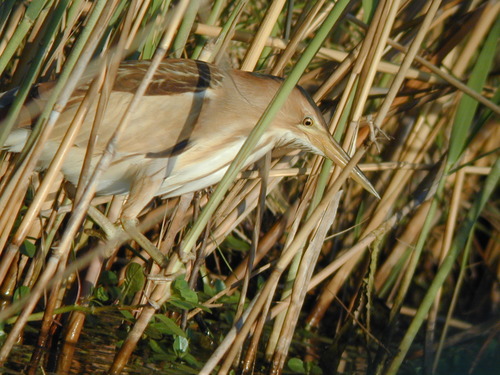 garçote-comum
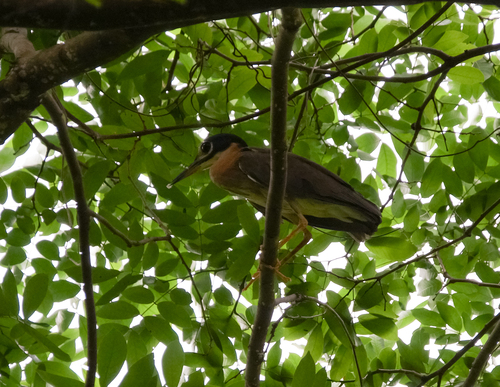 garça-nocturna-de-dorso-branco
Em resumo
A marca de campo mais confiável para separar o garçote-comum e a garça-nocturna-de-dorso-branco, especialmente em aves imaturas, é o padrão da asa superior: as garças-nocturnas-de-dorso-branco juvenis mostram manchas brancas distintas nas coberturas da asa superior, enquanto os garçotes-comuns juvenis são mais uniformemente ruivos e estriados, sem essas manchas. Os garçotes-comuns adultos são muito menores, com uma construção compacta e delicada e um painel de asa anterior pálido, enquanto as garças-nocturnas-de-dorso-branco são visivelmente maiores, com uma impressionante mancha branca triangular nas costas e um pescoço e peito ruivos. Ambas as espécies podem apresentar partes inferiores estriadas em plumagens imaturas, mas o tamanho geral, as marcas das asas e a presença ou ausência de uma mancha escapular branca são fundamentais. O habitat e a distribuição também são úteis: os garçotes-comuns são migrantes europeus-africanos, enquanto as garças-nocturnas-de-dorso-branco são residentes na África subsaariana.
Dicas de identificação
- Padrão da asa superior juvenil: Procure por manchas brancas nas coberturas da asa superior—presentes na garça-nocturna-de-dorso-branco juvenil, ausentes no garçote-comum de qualquer idade. Esta é a marca mais confiável para imaturos em voo ou empoleirados.
- Tamanho e estrutura: O garçote-comum é muito menor e mais delicado, com um pescoço e bico proporcionalmente mais longos e finos. A garça-nocturna-de-dorso-branco é robusta, corpulenta e visivelmente maior.
- Painel da asa anterior (adultos): Os garçotes-comuns adultos mostram um painel oval pálido de cor rosa-amarelada nas coberturas internas da asa, contrastando com as asas pretas. Isso está ausente na garça-nocturna-de-dorso-branco.
- Mancha escapular branca: As garças-nocturnas-de-dorso-branco adultas têm uma grande mancha triangular branca nas costas (escapulares), visível quando empoleiradas e às vezes em voo. Os garçotes-comuns nunca mostram essa característica.
- Cabeça e olho: A garça-nocturna-de-dorso-branco tem uma cabeça preta com uma crista curta e grandes olhos vermelhos com anéis brancos, enquanto os machos de garçote-comum têm uma coroa preta, mas não possuem a crista e o olho vermelho.
- Cor do pescoço e peito: As garças-nocturnas-de-dorso-branco adultas têm um pescoço e peito ruivos (marrom-avermelhado), contrastando com as partes inferiores pálidas dos garçotes-comuns.
- Cor da asa inferior: Os garçotes-comuns mostram asas inferiores completamente esbranquiçadas em voo; a cor da asa inferior da garça-nocturna-de-dorso-branco não é descrita como distintiva.
- Estriação: Ambas as espécies podem mostrar partes inferiores estriadas em juvenis, mas apenas a garça-nocturna-de-dorso-branco tem manchas brancas nas coberturas da asa superior.
- Formato do bico: Ambas têm bicos longos e afiados, mas o bico do garçote-comum é proporcionalmente mais fino e longo em relação ao tamanho da cabeça.
- Cor das pernas: A garça-nocturna-de-dorso-branco tem pernas amarelas; a cor das pernas do garçote-comum não é especificada, mas não é uma marca de campo primária.
- Voo: Os garçotes-comuns voam com batidas de asa rápidas e profundas e parecem compactos; as garças-nocturnas-de-dorso-branco são mais volumosas e mais lentas em voo.
- Habitat e distribuição: Se visto na Europa fora da migração, é quase certamente um garçote-comum. Na África subsaariana, especialmente em áreas úmidas florestadas, a garça-nocturna-de-dorso-branco é mais provável.
- Estação: Os garçotes-comuns estão presentes na Europa apenas de meados de abril a setembro; fora dessa janela, a garça-nocturna-de-dorso-branco é mais provável na África.
- Diferenças sexuais: As fêmeas de garçote-comum são mais apagadas e mais estriadas do que os machos, mas ainda assim não possuem a mancha escapular branca da garça-nocturna-de-dorso-branco.
- Risco de confusão: As aves imaturas são frequentemente confundidas—focalize no padrão da asa superior (manchas brancas vs. ruivo/estriado uniforme) e no tamanho geral.
Tamanho
O garçote-comum é significativamente menor, com uma massa corporal de cerca de 147 g e um comprimento de 33–38 cm. Em contraste, a garça-nocturna-de-dorso-branco é uma garça de tamanho médio, com 50–55 cm de comprimento, tornando-a muito mais volumosa e longa no campo. O garçote-comum é a menor garça reprodutora da Europa, parecendo quase delicado ao lado da robusta e corpulenta garça-nocturna-de-dorso-branco.
Plumagem
-
Aves juvenis/imaturas: As garças-nocturnas-de-dorso-branco juvenis são melhor reconhecidas por seu peito estriado e manchas brancas distintas nas coberturas da asa superior, uma característica não presente no garçote-comum. Os garçotes-comuns juvenis são mais ruivos em geral e fortemente estriados nas partes superiores e inferiores, incluindo as coberturas das asas, mas não possuem manchas brancas discretas.
-
Machos adultos: Os machos de garçote-comum têm uma coroa preta, nuca, costas e asas com um leve brilho verde, e um painel oval rosa-amarelado contrastante nas coberturas internas da asa. Suas partes inferiores são pálidas, e a asa inferior é esbranquiçada. As garças-nocturnas-de-dorso-branco adultas têm uma cabeça preta com uma crista curta, grandes olhos vermelhos com anéis brancos, um pescoço e peito ruivos, garganta branca e uma proeminente mancha triangular branca nas costas (escapulares). A barriga é marrom-esbranquiçada.
-
Fêmeas adultas: As fêmeas de garçote-comum são mais apagadas, com partes superiores marrom-escuras e partes inferiores mais estriadas e menos limpas. Seu painel de asa é menos óbvio. As fêmeas de garça-nocturna-de-dorso-branco não são especificamente descritas como diferentes dos machos, mas as marcas principais (mancha escapular branca, pescoço ruivo) permanecem.
-
Em voo: Os garçotes-comuns mostram painéis de asa anterior pálidos e asas inferiores esbranquiçadas, enquanto as garças-nocturnas-de-dorso-branco podem mostrar a mancha escapular branca e, em imaturos, manchas brancas na asa superior.
Comportamento
Ambas as espécies são secretivas e frequentemente se escondem em vegetação densa de áreas úmidas, mas os garçotes-comuns, devido ao seu pequeno tamanho, podem parecer mais ágeis e são frequentemente vistos subindo por juncos ou fazendo voos curtos e baixos. As garças-nocturnas-de-dorso-branco, sendo maiores e mais pesadas, se movem de forma mais deliberada e são frequentemente mais crepusculares ou noturnas, às vezes empoleirando-se durante o dia. Em voo, os garçotes-comuns parecem compactos e rápidos, enquanto as garças-nocturnas-de-dorso-branco parecem mais volumosas e lentas.
Habitat
Os garçotes-comuns se reproduzem em áreas úmidas europeias e migram para a África no inverno, chegando à Europa de meados de abril e partindo até setembro. Eles preferem leitos densos de juncos e pântanos. As garças-nocturnas-de-dorso-branco são residentes da África subsaariana, encontradas em áreas úmidas florestadas, rios e lagos, frequentemente em habitats mais florestados ou sombreados do que os garçotes-comuns. A distribuição sozinha pode ser diagnóstica fora dos períodos de migração.
garçote-comum · garça-nocturna-de-dorso-branco · Minhas aves difíceis