

javan pond-heron vs garça-branca-grande
Ardeola speciosa versus Ardea alba
Jogue um quiz com javan pond-heron e garça-branca-grande
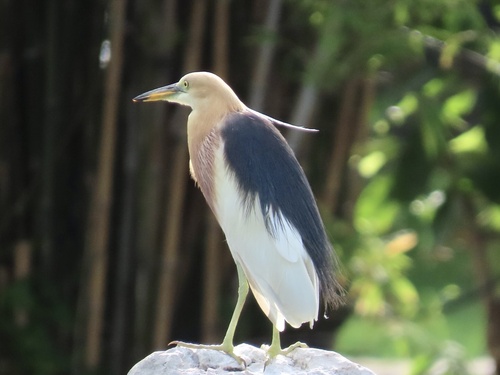 javan pond-heron
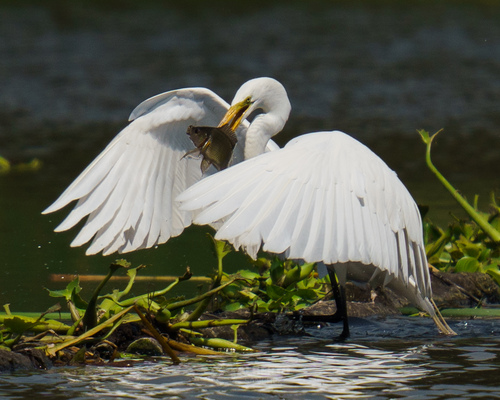 garça-branca-grande
Em resumo
A marca de campo mais confiável entre o javan pond-heron e a garça-branca-grande é o tamanho e a estrutura geral: a garça-branca-grande é muito maior, com um pescoço e pernas longas, enquanto o javan pond-heron é compacto e de pescoço curto. Em voo, ambos mostram asas brancas, mas a garça é impressionantemente grande e toda branca, enquanto o pond-heron é muito menor e mostra apenas asas totalmente brancas (corpo e cabeça são coloridos na época de reprodução). Os javan pond-herons não reprodutores são especialmente complicados, pois seu corpo com listras marrons pode se assemelhar a outros pond-herons, mas nunca combina com o branco puro da garça. A cor do bico e das pernas também ajuda: o javan pond-heron tem um bico amarelo com uma ponta preta e pernas amarelas, enquanto a garça-branca-grande tem um bico amarelo e pernas pretas. Os juvenis e pond-herons não reprodutores são a maior armadilha, pois suas cores mais apagadas podem causar confusão.
Dicas de identificação
- O tamanho é o separador mais claro: A garça-branca-grande é quase duas vezes o comprimento do javan pond-heron e muito mais robusta. Se você ver uma grande e majestosa garça branca, é quase certamente uma garça-branca-grande.
- Comprimento do pescoço e das pernas: A garça-branca-grande tem um pescoço longo e esbelto (frequentemente mantido em forma de S em voo) e longas pernas pretas. O javan pond-heron é de pescoço curto e pernas curtas em comparação, com pernas amarelas.
- Cor do bico: O javan pond-heron tem um bico amarelo com uma ponta preta; o bico da garça-branca-grande é todo amarelo (pode escurecer ligeiramente na época de reprodução, mas nunca tem uma ponta preta).
- Cor das pernas: O javan pond-heron apresenta pernas amarelas, enquanto a garça-branca-grande tem pernas e pés pretos (as pernas inferiores podem ficar mais claras na época de reprodução, mas nunca amarelas).
- Plumagem em voo: Ambos mostram asas brancas, mas a garça-branca-grande é toda branca, enquanto o javan pond-heron (especialmente na época de reprodução) mostra corpo e cabeça coloridos (laranja/azulado) ou listrados de marrom contrastando com asas brancas.
- Plumagem de reprodução: O javan pond-heron desenvolve cores laranja brilhante e azuladas no corpo e na cabeça, mas as asas permanecem brancas. A garça-branca-grande permanece toda branca, mas desenvolve longas penas ornamentais nas costas.
- Confusão de não reprodução/juvenil: O javan pond-heron não reprodutor é marrom e listrado, mas as asas são sempre brancas em voo. A garça-branca-grande é sempre branca pura, independentemente da idade ou estação.
- Jizz e postura: A garça-branca-grande se ergue alta e ereta, frequentemente em água aberta. O javan pond-heron está curvado, frequentemente agachado à beira da água ou entre as juncas.
- Estilo de voo: A garça-branca-grande voa com batidas lentas e profundas das asas e um pescoço retraído; o javan pond-heron é mais rápido, mais direto e parece compacto em voo.
- Contexto do habitat: Se o pássaro estiver em um grande e aberto pântano ou visível à distância, é mais provável que seja uma garça-branca-grande. Se estiver se escondendo à beira ou entre a vegetação, considere o javan pond-heron.
- Cor da cabeça e do corpo na época de reprodução: Apenas o javan pond-heron mostra tons laranja/azulados na cabeça e no corpo; a garça-branca-grande nunca o faz.
- Nenhum pequeno pond-heron totalmente branco: Se você ver uma pequena garça com corpo, cabeça e asas totalmente brancas, não é um javan pond-heron (a menos que seja um indivíduo leucístico raro).
- A voz não é útil: Ambos são em sua maioria silenciosos; a garça-branca-grande pode emitir grasnidos em colônias, mas isso raramente é diagnóstico em campo.
- Armadilha: O javan pond-heron não reprodutor pode parecer muito apagado e acastanhado, mas nunca combina com o branco puro da garça, exceto pelas asas em voo.
- Quando em dúvida, verifique várias marcas: Use tamanho, comprimento do pescoço/pernas e cor do bico/pernas juntos, especialmente quando a plumagem é ambígua (por exemplo, pond-heron não reprodutor).
Tamanho
A garça-branca-grande é dramaticamente maior: os adultos medem de 80 a 104 cm de comprimento com uma envergadura de 131 a 170 cm e pesam cerca de 1.000 g [wikipedia][avonet]. O javan pond-heron é muito menor, cerca de 45 cm de comprimento [wikipedia]. A garça se ergue quase duas vezes mais alta e é muito mais robusta, com um pescoço e pernas mais longos. No campo, o tamanho da garça é óbvio quando ambos são vistos juntos, mas mesmo sozinha, a postura longa e majestosa da garça é distinta em comparação com o pond-heron atarracado e de pescoço curto.
Plumagem
- Juvenil/Não reprodutor: O javan pond-heron em plumagem não reprodutora ou imatura é marrom e listrado com manchas brancas, mas sempre mostra asas totalmente brancas em voo. O corpo e a cabeça permanecem acastanhados, nunca totalmente brancos. A garça-branca-grande, tanto adulta quanto juvenil, é totalmente branca, incluindo asas, corpo e cabeça, em todas as estações e idades [wikipedia].
- Adulto de Reprodução: O javan pond-heron desenvolve tons ricos de laranja, azulados e brancos no corpo e na cabeça, mas as asas permanecem brancas. A garça-branca-grande desenvolve penas ornamentais nas costas, mas permanece toda branca.
- Em voo: Ambos mostram asas brancas, mas a garça é toda branca, enquanto o pond-heron pode mostrar corpo e cabeça coloridos (reprodução) ou tons acastanhados (não reprodução) contrastando com asas brancas. As asas da garça são muito mais largas e longas proporcionalmente.
Comportamento
A garça-branca-grande se move com passos lentos e deliberados, com o pescoço estendido ao caminhar e retraído em voo. Seu voo é lento e gracioso, com pernas longas se arrastando bem além da cauda e um pescoço longo dobrado em forma de S. O javan pond-heron é mais compacto, frequentemente agachado ou curvado, com um pescoço e pernas mais curtos. Em voo, o pond-heron parece atarracado e rápido, com batidas rápidas das asas em comparação com as batidas lentas e profundas da garça. A garça frequentemente se ergue em água aberta ou pântano, enquanto o pond-heron é mais propenso a se esconder à beira da água ou entre a vegetação.
Habitat
Ambas as espécies ocorrem em áreas úmidas, mas a garça-branca-grande é encontrada em uma gama mais ampla de habitats abertos, incluindo grandes lagos, pântanos, estuários e até áreas costeiras em vários continentes. O javan pond-heron é restrito ao Sudeste Asiático e prefere áreas úmidas de água doce e salgada rasas, frequentemente com mais cobertura. Onde os habitats se sobrepõem, a garça é mais provável de ser vista em água aberta ou locais conspícuos, enquanto o pond-heron se mantém nas bordas e margens vegetadas.
Voz
A garça-branca-grande é geralmente silenciosa, mas pode emitir um croak baixo e rouco ou um alto 'cuk cuk cuk' em colônias ou quando perturbada. O javan pond-heron não é descrito como vocal nas fontes, então a voz não é um separador confiável em campo.
javan pond-heron · garça-branca-grande · Minhas aves difíceis