

Garcilla Indonesia vs Garceta Grande
Ardeola speciosa frente a Ardea alba
Juega un quiz con Garcilla Indonesia y Garceta Grande
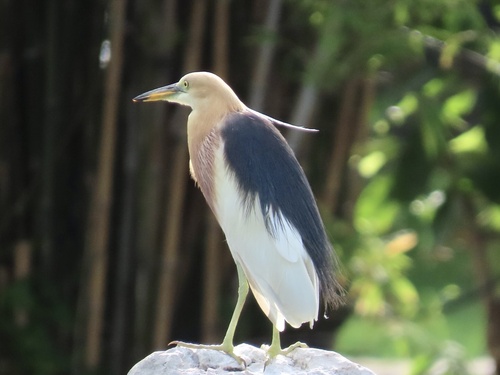 Garcilla Indonesia
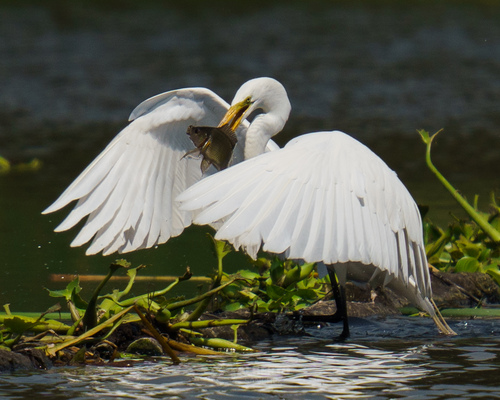 Garceta Grande
En breve
La marca de campo más confiable entre la Garcilla Indonesia y la Garceta Grande es el tamaño y la estructura general: la Garceta Grande es mucho más grande, con un cuello y patas largos, mientras que la Garcilla Indonesia es compacta y de cuello corto. En vuelo, ambas muestran alas blancas, pero la garceta es notablemente grande y completamente blanca, mientras que la garcilla es mucho más pequeña y solo muestra alas completamente blancas (el cuerpo y la cabeza están coloreados en la temporada de cría). Las Garcillas Indonesia no reproductivas son especialmente complicadas, ya que su cuerpo con manchas marrones puede parecerse a otras garcillas, pero nunca coincide con el blanco puro de la garceta. El color del pico y las patas también ayudan: la Garcilla Indonesia tiene un pico amarillo con una punta negra y patas amarillas, mientras que la Garceta Grande tiene un pico amarillo y patas negras. Las garcillas juveniles y no reproductivas son la mayor trampa, ya que sus colores más apagados pueden causar confusión.
Consejos de identificación
- El tamaño es el separador más claro: La Garceta Grande es casi el doble de la longitud de la Garcilla Indonesia y mucho más robusta. Si ves una gran garza blanca y majestuosa, casi seguramente es una Garceta Grande.
- Longitud del cuello y las patas: La Garceta Grande tiene un cuello largo y delgado (a menudo sostenido en forma de S en vuelo) y patas largas y negras. La Garcilla Indonesia es de cuello corto y patas cortas en comparación, con patas amarillas.
- Color del pico: La Garcilla Indonesia tiene un pico amarillo con una punta negra; el pico de la Garceta Grande es completamente amarillo (puede oscurecerse ligeramente en la temporada de cría, pero nunca tiene una punta negra).
- Color de las patas: La Garcilla Indonesia muestra patas amarillas, mientras que la Garceta Grande tiene patas y pies negros (las patas inferiores pueden volverse más claras en la temporada de cría, pero nunca amarillas).
- Plumaje en vuelo: Ambas muestran alas blancas, pero la Garceta Grande es completamente blanca, mientras que la Garcilla Indonesia (especialmente en cría) muestra un cuerpo y cabeza coloreados (naranja/azulado) o con manchas marrones que contrastan con las alas blancas.
- Plumaje de cría: La Garcilla Indonesia desarrolla colores naranja y azulados brillantes en el cuerpo y la cabeza, pero las alas permanecen blancas. La Garceta Grande permanece completamente blanca pero desarrolla largas plumas ornamentales en la espalda.
- Confusión de no reproducción/juveniles: La Garcilla Indonesia no reproductiva es marrón y con manchas, pero las alas siempre son blancas en vuelo. La Garceta Grande es siempre de un blanco puro, independientemente de la edad o la temporada.
- Jizz y postura: La Garceta Grande se mantiene erguida y alta, a menudo en aguas abiertas. La Garcilla Indonesia está encorvada, a menudo agachada en la orilla del agua o entre juncos.
- Estilo de vuelo: La Garceta Grande vuela con aleteos lentos y profundos y un cuello retraído; la Garcilla Indonesia es más rápida, más directa y se ve compacta en vuelo.
- Contexto del hábitat: Si el ave está en un gran humedal abierto o visible desde la distancia, es más probable que sea una Garceta Grande. Si se oculta en el borde o entre la vegetación, considera la Garcilla Indonesia.
- Color de la cabeza y el cuerpo en la temporada de cría: Solo la Garcilla Indonesia muestra tonos naranja/azulados en la cabeza y el cuerpo; la Garceta Grande nunca lo hace.
- No hay garcillas pequeñas completamente blancas: Si ves una pequeña garza con cuerpo, cabeza y alas completamente blancas, no es una Garcilla Indonesia (a menos que sea un individuo leucístico raro).
- La voz no es útil: Ambas son mayormente silenciosas; la Garceta Grande puede emitir croaks en colonias, pero esto rara vez es diagnóstico en el campo.
- Trampa: La Garcilla Indonesia no reproductiva puede verse muy apagada y marronosa, pero nunca coincide con el blanco puro de la garceta, excepto por las alas en vuelo.
- Cuando tengas dudas, verifica múltiples marcas: Usa el tamaño, la longitud del cuello/patas y el color del pico/patas juntos, especialmente cuando el plumaje es ambiguo (por ejemplo, garcilla no reproductiva).
Tamaño
La Garceta Grande es dramáticamente más grande: los adultos miden entre 80 y 104 cm de longitud con una envergadura de 131 a 170 cm y pesan alrededor de 1,000 g [wikipedia][avonet]. La Garcilla Indonesia es mucho más pequeña, aproximadamente 45 cm de largo [wikipedia]. La garceta se mantiene casi el doble de alta y es mucho más robusta, con un cuello y patas más largos. En el campo, el tamaño de la garceta es obvio cuando ambas se ven juntas, pero incluso individualmente, el aspecto largo y erguido de la garceta es distintivo en comparación con la garcilla, que es baja y de cuello corto.
Plumaje
- Juvenil/No reproductivo: La Garcilla Indonesia en plumaje no reproductivo o inmaduro es marrón y con manchas con motas blancas, pero siempre muestra alas completamente blancas en vuelo. El cuerpo y la cabeza permanecen marronosos, nunca completamente blancos. La Garceta Grande, tanto adulta como juvenil, es completamente blanca en todas partes, incluyendo alas, cuerpo y cabeza, en todas las estaciones y edades [wikipedia].
- Adulto en cría: La Garcilla Indonesia desarrolla tonos ricos de naranja, azulados y blancos en el cuerpo y la cabeza, pero las alas permanecen blancas. La Garceta Grande desarrolla plumas ornamentales en la espalda pero permanece completamente blanca.
- En vuelo: Ambas muestran alas blancas, pero la garceta es completamente blanca, mientras que la garcilla puede mostrar un cuerpo y cabeza coloreados (en cría) o tonos marrones (no reproductivos) que contrastan con las alas blancas. Las alas de la garceta son mucho más anchas y largas proporcionalmente.
Comportamiento
La Garceta Grande se mueve con pasos lentos y deliberados, con el cuello extendido al caminar y retraído en vuelo. Su vuelo es lento y elegante, con patas largas que se extienden más allá de la cola y un cuello largo que se pliega en forma de S. La Garcilla Indonesia es más compacta, a menudo encorvada o agachada, con un cuello y patas más cortos. En vuelo, la garcilla parece rechoncha y rápida, con aleteos rápidos en comparación con los aleteos lentos y profundos de la garceta. La garceta a menudo se encuentra en aguas abiertas o pantanos, mientras que la garcilla es más propensa a ocultarse en la orilla del agua o entre la vegetación.
Hábitat
Ambas especies ocurren en humedales, pero la Garceta Grande se encuentra en una gama más amplia de hábitats abiertos, incluyendo grandes lagos, pantanos, estuarios e incluso áreas costeras en múltiples continentes. La Garcilla Indonesia está restringida al sudeste asiático y prefiere humedales de agua dulce y salada poco profundos, a menudo con más cobertura. Donde las áreas de distribución se superponen, es más probable que la garceta se vea en aguas abiertas o en lugares conspicuos, mientras que la garcilla se mantiene en los bordes y márgenes vegetados.
Voz
La Garceta Grande es generalmente silenciosa, pero puede emitir un croak bajo y áspero o un fuerte 'cuk cuk cuk' en colonias o cuando se siente perturbada. La Garcilla Indonesia no se describe como vocal en las fuentes, por lo que la voz no es un separador confiable en el campo.