

Motmot

ジャワアカガシラサギ 対 ダイサギ

Ardeola speciosa 対 Ardea alba

ジャワアカガシラサギとダイサギのクイズ
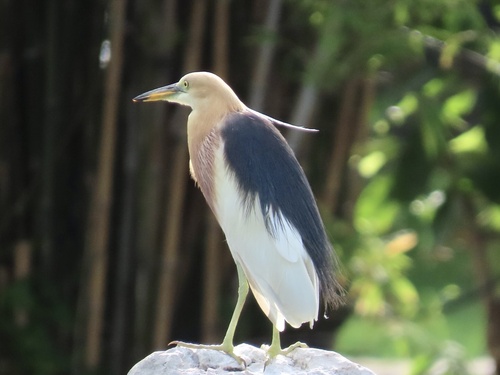
ジャワアカガシラサギ (Ardeola speciosa) ジャワアカガシラサギ
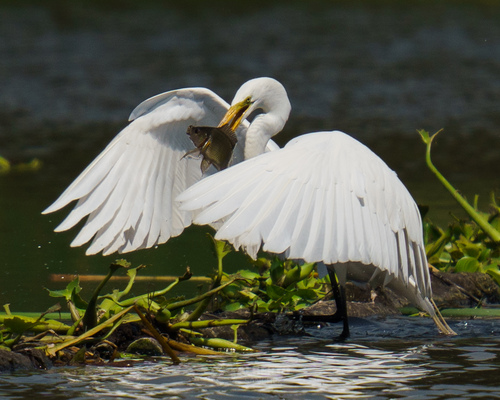
ダイサギ (Ardea alba) ダイサギ

メディア

読み込み中…

要点

ジャワアカガシラサギとダイサギの最も信頼できるフィールドマークは、全体のサイズと構造です:ダイサギははるかに大きく、長い首と脚を持ち、ジャワアカガシラサギはコンパクトで短い首を持っています。飛行中、両者は白い翼を示しますが、ダイサギは非常に大きく、全体が白いのに対し、ジャワアカガシラサギははるかに小さく、全白の翼(繁殖期には体と頭に色がつきます)しか示しません。非繁殖のジャワアカガシラサギは特に厄介で、茶色の縞模様の体は他の池のサギに似ることがありますが、ダイサギの純白には決して一致しません。くちばしと脚の色も役立ちます:ジャワアカガシラサギは黒い先端のある黄色いくちばしと黄色い脚を持ち、ダイサギは黄色いくちばしと黒い脚を持っています。幼鳥と非繁殖の池のサギは最大の落とし穴であり、彼らの鈍い色は混乱を引き起こす可能性があります。

識別のコツ

  1. サイズが最も明確な区別点です: ダイサギはジャワアカガシラサギのほぼ2倍の長さで、はるかにがっしりとしています。大きく、威厳のある白いサギを見たら、ほぼ確実にダイサギです。
  2. 首と脚の長さ: ダイサギは長くて細い首(飛行中はしばしばS字型に保持されます)と長い黒い脚を持っています。ジャワアカガシラサギは比較的短い首と短い脚を持ち、黄色い脚です。
  3. くちばしの色: ジャワアカガシラサギは黒い先端のある黄色いくちばしを持ち、ダイサギのくちばしは全て黄色です(繁殖期にはわずかに暗くなることがありますが、黒い先端はありません)。
  4. 脚の色: ジャワアカガシラサギは黄色い脚を示し、ダイサギは黒い脚と足を持っています(繁殖期には下肢が明るくなることがありますが、決して黄色にはなりません)。
  5. 飛行中の羽毛: 両者は白い翼を示しますが、ダイサギは全体が白く、ジャワアカガシラサギ(特に繁殖期)は色付き(オレンジ/青灰色)または茶色の縞模様の体と頭を白い翼と対比させて示します。
  6. 繁殖羽毛: ジャワアカガシラサギは体と頭に鮮やかなオレンジと青灰色の色を発達させますが、翼は白のままです。ダイサギは全て白のままですが、背中に長い装飾的な羽毛を成長させます。
  7. 非繁殖/幼鳥の混乱: 非繁殖のジャワアカガシラサギは茶色で縞模様ですが、飛行中は常に白い翼を持っています。ダイサギは年齢や季節に関係なく常に純白です。
  8. 姿勢と体型: ダイサギは高くて直立しており、しばしば開けた水域にいます。ジャワアカガシラサギはかがんでいることが多く、水辺や葦の中に crouched しています。
  9. 飛行スタイル: ダイサギは遅く、深い羽ばたきで飛び、首を引っ込めます。ジャワアカガシラサギはより速く、直接的で、飛行中はコンパクトに見えます。
  10. 生息地の文脈: 鳥が大きな開けた湿地にいる場合、または遠くから見える場合、ダイサギである可能性が高いです。水辺や植生の中でうろついている場合は、ジャワアカガシラサギを考慮してください。
  11. 繁殖期の頭と体の色: ジャワアカガシラサギだけが頭と体にオレンジ/青灰色のトーンを示し、ダイサギは決して示しません。
  12. 全白の小さな池のサギはいない: 全白の体、頭、翼を持つ小さなサギを見た場合、それはジャワアカガシラサギではありません(珍しい白変種でない限り)。
  13. 声は役に立たない: 両者はほとんど静かで、ダイサギはコロニーでうめき声を上げることがありますが、これはフィールドで診断的であることは稀です。
  14. 落とし穴: 非繁殖のジャワアカガシラサギは非常に鈍く茶色がかって見えることがありますが、飛行中の翼を除いて、ダイサギの純白には決して一致しません。
  15. 疑わしい場合は、複数のマークを確認してください: サイズ、首/脚の長さ、くちばし/脚の色を一緒に使用し、特に羽毛があいまいな場合(例:非繁殖の池のサギ)に確認してください。

大きさ

ダイサギは劇的に大きいです:成鳥は80〜104 cmの長さで、翼幅は131〜170 cm、質量は約1,000 gです [wikipedia][avonet]。ジャワアカガシラサギははるかに小さく、約45 cmの長さです [wikipedia]。ダイサギはほぼ2倍の高さで、はるかにがっしりとしており、長い首と脚を持っています。フィールドでは、両者が一緒に見られるとき、ダイサギのサイズは明らかですが、単独でも、ダイサギの長い脚、長い首、威厳のある姿勢は、ずんぐりした短い首の池のサギと比較して際立っています。

羽色

行動

ダイサギは遅く、意図的なステップで移動し、歩いているときは首を伸ばし、飛行中は引っ込めます。その飛行は遅く優雅で、長い脚が尾を超えて引きずり、長い首がS字型に折りたたまれています。ジャワアカガシラサギはよりコンパクトで、しばしばかがんでいるか、背中を丸めており、短い首と脚を持っています。飛行中、池のサギはずんぐりしていて速く、ダイサギの緩慢で深い羽ばたきと比較して急速な羽ばたきを持っています。ダイサギはしばしば開けた水域や湿地に立っていますが、池のサギは水辺や植生の中でうろつくことが多いです。

生息環境

両種は湿地に生息していますが、ダイサギは大きな湖、湿地、河口、さらには複数の大陸にわたる沿岸地域を含む、より広範な開けた生息地で見られます。ジャワアカガシラサギは東南アジアに限定され、浅い淡水および塩水の湿地を好み、しばしばより多くのカバーがあります。範囲が重なる場所では、ダイサギは開けた水域や目立つ場所で見られる可能性が高く、池のサギはエッジや植生の縁に留まります。

声

ダイサギは一般的に静かですが、コロニーで低く、かすれたうめき声や大きな「クククク」という声を上げることがあります。ジャワアカガシラサギは、情報源では声が記述されていないため、フィールドでの信頼できる区別にはなりません。

より良い説明を送る

比較と同じ項目を使ってください。文章はすぐに公開されます。

The most reliable field mark between Javan Pond Heron and Great White Egret is overall size and structure: Great White Egret is much larger, with a long neck and legs, while Javan Pond Heron is compact and short-necked. In flight, both show white wings, but the egret is strikingly big and all white, while the pond heron is much smaller and only shows all-white wings (body and head are colored in breeding season). Nonbreeding Javan Pond Herons are especially tricky, as their brown-streaked body can resemble other pond herons, but never matches the pure white of the egret. Bill and leg color also help: Javan Pond Heron has a yellow bill with a black tip and yellow legs, while Great White Egret has a yellow bill and black legs. Juvenile and nonbreeding pond herons are the biggest pitfall, as their duller colors can cause confusion.

  1. Size is the clearest separator: Great White Egret is nearly twice the length of Javan Pond Heron and much bulkier. If you see a large, stately white heron, it's almost certainly a Great Egret.
  2. Neck and leg length: Great Egret has a long, slender neck (often held in an S-shape in flight) and long black legs. Javan Pond Heron is short-necked and short-legged by comparison, with yellow legs.
  3. Bill color: Javan Pond Heron has a yellow bill with a black tip; Great Egret's bill is all yellow (may darken slightly in breeding season, but never has a black tip).
  4. Leg color: Javan Pond Heron shows yellow legs, while Great Egret has black legs and feet (lower legs may become lighter in breeding season, but never yellow).
  5. Plumage in flight: Both show white wings, but Great Egret is all white, while Javan Pond Heron (especially in breeding) shows colored (orange/slaty) or brown-streaked body and head contrasting with white wings.
  6. Breeding plumage: Javan Pond Heron develops bright orange and slaty colors on the body and head, but wings remain white. Great Egret remains all white but grows long ornamental plumes on the back.
  7. Nonbreeding/juvenile confusion: Nonbreeding Javan Pond Heron is brown and streaked, but wings are always white in flight. Great Egret is always pure white, regardless of age or season.
  8. Jizz and posture: Great Egret stands tall and upright, often in open water. Javan Pond Heron is hunched, often crouched at water's edge or among reeds.
  9. Flight style: Great Egret flies with slow, deep wingbeats and a retracted neck; Javan Pond Heron is quicker, more direct, and looks compact in flight.
  10. Habitat context: If the bird is in a large, open wetland or visible from a distance, it's more likely a Great Egret. If skulking at the edge or among vegetation, consider Javan Pond Heron.
  11. Head and body color in breeding season: Only Javan Pond Heron shows orange/slaty tones on the head and body; Great Egret never does.
  12. No all-white small pond herons: If you see a small heron with all-white body, head, and wings, it's not a Javan Pond Heron (unless it's a rare leucistic individual).
  13. Voice is not helpful: Both are mostly silent; Great Egret may give croaks at colonies, but this is rarely diagnostic in the field.
  14. Pitfall: Nonbreeding Javan Pond Heron can look very dull and brownish, but never matches the pure white of the egret except for the wings in flight.
  15. When in doubt, check multiple marks: Use size, neck/leg length, and bill/leg color together, especially when plumage is ambiguous (e.g., nonbreeding pond heron).

Great White Egret is dramatically larger: adults measure 80–104 cm in length with a wingspan of 131–170 cm and average about 1,000 g in mass [wikipedia][avonet]. Javan Pond Heron is much smaller, about 45 cm long [wikipedia]. The egret stands nearly twice as tall and is much bulkier, with a longer neck and legs. In the field, the egret's size is obvious when both are seen together, but even singly, the egret's long-legged, long-necked, stately jizz is distinctive compared to the squat, short-necked pond heron.

  • Juvenile/Nonbreeding: Javan Pond Heron in nonbreeding or immature plumage is brown and streaky with white flecks, but always shows pure white wings in flight. The body and head remain brownish, never all-white. Great White Egret, both adult and juvenile, is pure white all over, including wings, body, and head, in all seasons and ages [wikipedia].
  • Breeding Adult: Javan Pond Heron develops rich orange, slaty, and white tones on the body and head, but wings remain white. Great White Egret develops ornamental plumes on the back but remains all white.
  • In flight: Both show white wings, but the egret is all white, while the pond heron may show colored body and head (breeding) or brownish tones (nonbreeding) contrasting with white wings. The egret's wings are much broader and longer proportionally.

Great White Egret moves with slow, deliberate steps, neck extended when walking and retracted in flight. Its flight is slow and graceful, with long legs trailing well beyond the tail and a long neck tucked in an S-shape. Javan Pond Heron is more compact, often crouched or hunched, with a shorter neck and legs. In flight, the pond heron appears stubby and quick, with rapid wingbeats compared to the egret's languid, deep wingbeats. The egret often stands in open water or marsh, while the pond heron is more likely to skulk at the water's edge or among vegetation.

Both species occur in wetlands, but Great White Egret is found in a wider range of open habitats, including large lakes, marshes, estuaries, and even coastal areas across multiple continents. Javan Pond Heron is restricted to Southeast Asia and prefers shallow fresh and saltwater wetlands, often with more cover. Where ranges overlap, the egret is more likely to be seen in open water or conspicuous locations, while the pond heron keeps to edges and vegetated margins.

Great White Egret is generally silent but may give a low, hoarse croak or loud 'cuk cuk cuk' at colonies or when disturbed. Javan Pond Heron is not described as vocal in the sources, so voice is not a reliable separator in the field.

変更を破棄しますか?

保存していない編集があります。今離れると失われます。

ジャワアカガシラサギ · ダイサギ · 苦手な鳥