

maçarico-de-bico-virado vs black-throated gray warbler
Limosa haemastica versus Setophaga nigrescens
Jogue um quiz com maçarico-de-bico-virado e black-throated gray warbler
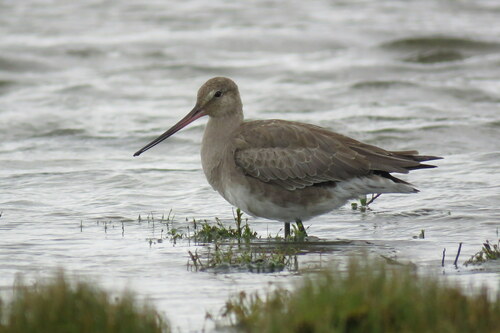 maçarico-de-bico-virado
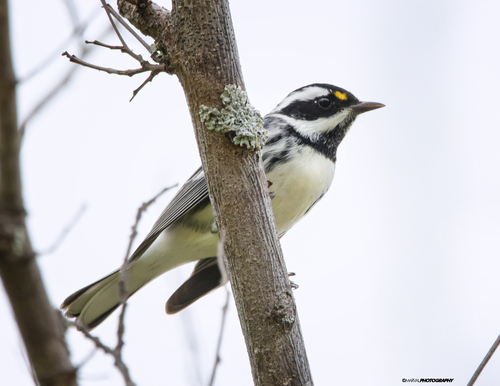 black-throated gray warbler
Em resumo
Maçarico-de-bico-virado e black-throated gray warbler são extremamente improváveis de serem confundidos em campo devido à sua vasta diferença de tamanho e estrutura contrastante, mas a confusão pode surgir em vistas distantes, breves ou em condições de pouca luz, especialmente de imaturos em voo. O maçarico é uma grande ave de praia ereta com pernas longas e um bico longo, levemente curvado para cima, de base rosa, exibindo uma impressionante rabadilha branca e cauda preta em voo, enquanto o warbler é um pequeno e ativo pássaro cantor com um bico curto e fino e um ousado padrão facial preto, cinza e branco. Maçaricos juvenis e não reprodutores ainda mostram a rabadilha branca e a cauda preta em voo, uma marca chave em todas as idades, enquanto o warbler nunca mostra tal padrão. Se você ver um pássaro com asas inferiores pretas e uma rabadilha branca piscando em voo, é o maçarico. Empoleirado, concentre-se na forma do bico, comprimento das pernas e tamanho geral.
Dicas de identificação
- Rabadilha branca e cauda preta em voo (todas as idades): Apenas o maçarico-de-bico-virado mostra uma ousada rabadilha branca e cauda preta em voo. Se você ver esse padrão, especialmente sobre bancos de lama ou pântanos, é um maçarico, não um warbler.
- Forros de asa inferiores pretos (maçarico): Em voo, maçaricos mostram forros de asa inferiores pretos, uma característica nunca vista no warbler.
- Tamanho e forma: O maçarico é maciço em comparação com o pequeno warbler. Se o pássaro estiver em qualquer lugar perto do tamanho de um pombo ou maior, é um maçarico. Warblers são do tamanho de um pardal e delicados.
- Forma do bico: O maçarico tem um bico longo, levemente curvado para cima, de base rosa com uma ponta escura, usado para sondar lama. O warbler tem um bico curto, fino e pontudo para colher insetos.
- Comprimento das pernas: O maçarico tem pernas muito longas, azuladas e cinzentas, frequentemente visíveis mesmo em voo. O warbler tem pernas curtas, nunca parecendo de pernas longas.
- Postura empoleirada: O maçarico fica ereto, frequentemente em áreas abertas e úmidas. O warbler empoleira-se horizontalmente ou se move rapidamente através da folhagem, raramente em áreas abertas.
- Padrão facial: O warbler (especialmente os machos) tem um ousado padrão facial preto e branco com uma pequena mancha amarela na frente do olho. O maçarico tem um rosto simples, sem tais marcas.
- Partes inferiores: O maçarico em plumagem de reprodução tem partes inferiores castanhas; o warbler é sempre branco por baixo com listras pretas nas flancos, nunca castanho.
- Confusão de sexo/idade: As fêmeas de warblers têm uma garganta branca e cabeça mais apagada, mas ainda mostram o padrão facial; os sexos do maçarico são semelhantes, exceto por sutis diferenças de reprodução.
- Contexto de habitat: O maçarico está em áreas abertas e úmidas; o warbler está em árvores ou arbustos, frequentemente longe da água.
- Comportamento: O maçarico anda ou se move na água; o warbler se move rapidamente, paira e coleta.
- Estilo de voo: O maçarico voa com batidas de asa fortes e diretas; o voo do warbler é fraco, tremido e raramente sustentado sobre solo aberto.
- Vocalizações: O warbler emite chamadas agudas de 'tup' e canções zumbidoras; o maçarico é em sua maioria silencioso, especialmente longe das áreas de reprodução.
- Contexto sazonal: O maçarico é um migrante de longa distância, frequentemente visto em migração em locais de parada; o warbler está presente em florestas durante a reprodução e migração.
- Vistas enganosas: Vistas distantes, contraluz ou breves podem obscurecer o tamanho e a estrutura, mas a rabadilha branca/cauda preta em voo e o habitat devem resolver quase toda confusão.
Tamanho
O maçarico-de-bico-virado é uma ave de praia muito grande, pesando cerca de 255,5 g [wikidata], com pernas longas e um comprimento de corpo muito maior que o black-throated gray warbler, que é um pequeno passeriforme com cerca de 13 cm (5,1 pol) de comprimento e pesando apenas 8,4 g [wikipedia]. O maçarico se ergue alto, frequentemente até o joelho de uma pessoa, enquanto o warbler é do tamanho de um pardal e delicado. Não há sobreposição de tamanho: qualquer pássaro que se aproxime remotamente da massa do maçarico não pode ser um warbler.
Plumagem
- Juvenil/Imaturo/Pássaros em Voo: O maçarico-de-bico-virado de todas as idades mostra uma ousada rabadilha branca e cauda preta em voo, com asas inferiores pretas (forros de asa pretos) [wikipedia]. Este padrão nunca é mostrado pelo black-throated gray warbler, que tem partes superiores cinzas simples e partes inferiores brancas com listras pretas nas flancos, e nenhuma rabadilha branca ou cauda preta.
- Adultos (empoleirados): Os adultos do maçarico têm partes superiores marrons manchadas, partes inferiores castanhas em plumagem de reprodução, pernas longas azuladas e cinzentas, e um longo bico de base rosa. Os warblers têm partes superiores cinzas, partes inferiores brancas com listras pretas, e um padrão facial distinto: os machos têm garganta e coroa pretas, as fêmeas têm garganta branca e cabeça mais apagada.
- Variação de Sexo/Idade: Os sexos do maçarico são semelhantes, exceto na plumagem de reprodução, onde as fêmeas são ligeiramente mais pesadas. Os machos do warbler são marcados de forma ousada, as fêmeas são mais pálidas com garganta branca. Nenhuma plumagem de maçarico se assemelha ao padrão facial do warbler.
Comportamento
O maçarico-de-bico-virado é tipicamente visto se movendo ou andando em bancos de lama abertos, pântanos ou margens, frequentemente sondando com seu longo bico. Em voo, é forte e direto, com batidas rápidas de asas e uma rabadilha branca óbvia. O black-throated gray warbler é altamente ativo, colhendo insetos da folhagem, frequentemente se movendo rapidamente e pairando em árvores ou arbustos. Raramente, se é que alguma vez, anda no chão e nunca se move na água. O maçarico se ergue e se move deliberadamente; o warbler é inquieto e rápido.
Habitat
Os maçaricos são encontrados em habitats úmidos abertos: bancos de lama, pântanos, margens e às vezes campos alagados, especialmente durante a migração. Eles nunca estão em árvores ou arbustos densos. O black-throated gray warbler é encontrado em florestas, especialmente florestas coníferas abertas ou mistas, florestas de carvalho, e às vezes em chaparral ou arbustos, quase sempre em ou perto de árvores e longe de água aberta ou bancos de lama. Se o pássaro estiver em um dossel de floresta ou arbusto, é um warbler; se estiver em um banco de lama ou se movendo na água, é um maçarico.
Voz
O maçarico-de-bico-virado é geralmente quieto, mas pode emitir chamadas agudas e de tom alto, especialmente em voo ou alarme, mas estas não são descritas em detalhes aqui. O black-throated gray warbler emite uma chamada aguda de 'tup' ou 'thick', e o macho canta uma canção zumbidora e dobrada com uma nota alta perto do final. As chamadas do warbler são mais frequentes e facilmente ouvidas em habitats florestais, enquanto as chamadas do maçarico são raras e não são uma marca de campo confiável na maioria das situações.
maçarico-de-bico-virado · black-throated gray warbler · Minhas aves difíceis