

Motmot

アメリカオグロシギ 対 ノドグロハイアメリカムシクイ

Limosa haemastica 対 Setophaga nigrescens

アメリカオグロシギとノドグロハイアメリカムシクイのクイズ
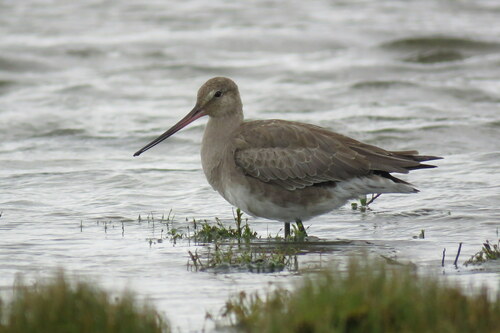
アメリカオグロシギ (Limosa haemastica) アメリカオグロシギ
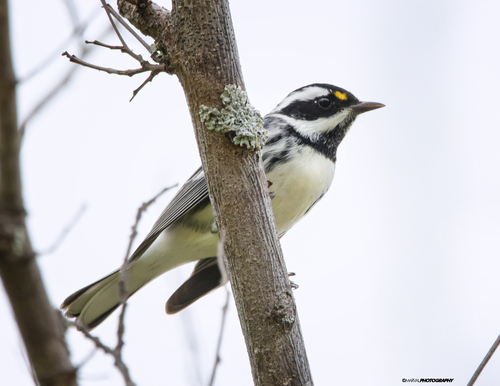
ノドグロハイアメリカムシクイ (Setophaga nigrescens) ノドグロハイアメリカムシクイ

メディア

読み込み中…

要点

アメリカオグロシギとノドグロハイアメリカムシクイは、その大きさの違いと構造の対比により、フィールドで混同されることは非常に考えにくいですが、特に飛行中の幼鳥に関しては、遠くからの短い視界や光が不十分な状況では混乱が生じる可能性があります。アメリカオグロシギは、大きく、直立した shorebird で、長い脚とわずかに上向きのピンク色のくちばしを持ち、飛行中には目を引く白い尾羽と黒い尾を示します。一方、ノドグロハイアメリカムシクイは、小さく、活発な歌鳥で、短くて細いくちばしと大胆な黒、灰色、白の顔の模様を持っています。幼鳥や非繁殖期のアメリカオグロシギは、すべての年齢で白い尾羽と黒い尾を飛行中に示しますが、ノドグロハイアメリカムシクイはそのような模様を示すことはありません。もし黒い下翼と白い尾羽が飛行中に見えたら、それはアメリカオグロシギです。止まっているときは、くちばしの形、脚の長さ、全体の大きさに注目してください。

識別のコツ

  1. 飛行中の白い尾羽と黒い尾(すべての年齢): アメリカオグロシギだけが、飛行中に大胆な白い尾羽と黒い尾を示します。この模様が見えたら、特に干潟や湿地の上で、それはアメリカオグロシギであり、ノドグロハイアメリカムシクイではありません。
  2. 黒い下翼の裏地(アメリカオグロシギ): 飛行中、アメリカオグロシギは黒い下翼の裏地を示し、これはノドグロハイアメリカムシクイでは見られない特徴です。
  3. 大きさと形: アメリカオグロシギは小さなノドグロハイアメリカムシクイと比べて巨大です。もし鳥がハトの大きさかそれ以上であれば、それはアメリカオグロシギです。ノドグロハイアメリカムシクイはスズメサイズで繊細です。
  4. くちばしの形: アメリカオグロシギは、泥を探るために使用される長くてわずかに上向きのピンク色のくちばしを持っています。ノドグロハイアメリカムシクイは、昆虫を拾うための短くて細い尖ったくちばしを持っています。
  5. 脚の長さ: アメリカオグロシギは非常に長い青灰色の脚を持ち、飛行中でもしばしば見えます。ノドグロハイアメリカムシクイは短い脚を持ち、長い脚には見えません。
  6. 止まっている姿勢: アメリカオグロシギは直立しており、しばしば開けた湿地にいます。ノドグロハイアメリカムシクイは水平に止まるか、葉の間を飛び回り、開けた場所にはほとんどいません。
  7. 顔の模様: ノドグロハイアメリカムシクイ(特にオス)は、小さな黄色い斑点が目の前にある大胆な黒と白の顔の模様を持っています。アメリカオグロシギはそのような模様のない平坦な顔を持っています。
  8. 腹部: 繁殖羽のアメリカオグロシギは栗色の腹部を持っていますが、ノドグロハイアメリカムシクイは常に白く、黒い脇の筋があり、栗色にはなりません。
  9. 性別/年齢の混乱: 雌のノドグロハイアメリカムシクイは白い喉と鈍い頭を持っていますが、顔の模様は示します。アメリカオグロシギの性別は繁殖期の微妙な違いを除いて似ています。
  10. 生息地の文脈: アメリカオグロシギは開けた湿地にいますが、ノドグロハイアメリカムシクイは木や低木の中にあり、水から離れていることが多いです。
  11. 行動: アメリカオグロシギは歩いたり、浸かったりしますが、ノドグロハイアメリカムシクイは飛び回り、ホバリングし、昆虫を拾います。
  12. 飛行スタイル: アメリカオグロシギは強く、直接的な翼の打撃で飛びますが、ノドグロハイアメリカムシクイの飛行は弱く、ひらひらしており、開けた地面を持続的に飛ぶことはほとんどありません。
  13. 鳴き声: ノドグロハイアメリカムシクイは鋭い「タップ」音やブズブズした歌を出しますが、アメリカオグロシギは繁殖地から離れているときはほとんど静かです。
  14. 季節的文脈: アメリカオグロシギは長距離の渡り鳥で、しばしば渡りの際に中継地点で見られますが、ノドグロハイアメリカムシクイは繁殖と渡りの際に森林にいます。
  15. 誤解を招く視界: 遠くからの逆光や短い視界は大きさや構造を隠すことがありますが、飛行中の白い尾羽/黒い尾と生息地はほとんどすべての混乱を解決するはずです。

大きさ

アメリカオグロシギは非常に大きな shorebird で、体重は約255.5 g [wikidata]、長い脚とノドグロハイアメリカムシクイよりもはるかに大きな体長を持っています。ノドグロハイアメリカムシクイは約13 cm(5.1インチ)の小さな passerine で、体重はわずか8.4 g [wikipedia]です。アメリカオグロシギは高く立ち、しばしば人の膝まで達しますが、ノドグロハイアメリカムシクイはスズメサイズで繊細です。大きさに重複はなく、アメリカオグロシギの体格に近い鳥はノドグロハイアメリカムシクイではありえません。

羽色

行動

アメリカオグロシギは、通常、開けた干潟、湿地、または海岸で歩いたり、浸かったりしているのが見られ、しばしば長いくちばしで探ります。飛行中は強く、直接的で、急速な翼の打撃と明らかな白い尾羽を持っています。ノドグロハイアメリカムシクイは非常に活発で、葉から昆虫を拾い、しばしば木や低木の中で飛び回り、ホバリングします。地面を歩くことはほとんどなく、浸かることもありません。アメリカオグロシギは直立しており、慎重に動きますが、ノドグロハイアメリカムシクイは落ち着きがなく、素早いです。

生息環境

アメリカオグロシギは、開けた湿地の生息地、干潟、湿地、海岸、時には洪水のある田んぼで見られ、特に渡りの際に見られます。彼らは密集した木や低木の中には決していません。ノドグロハイアメリカムシクイは、特に開けた針葉樹林や混合林、オークの森林、時にはチャパラルや低木の中に見られ、ほぼ常に木の中や近くにあり、開けた水や干潟から離れています。もし鳥が森林の樹冠や低木の中にいるなら、それはノドグロハイアメリカムシクイです。もし干潟や浸かっているなら、それはアメリカオグロシギです。

声

アメリカオグロシギは一般的に静かですが、特に飛行中や警戒時に鋭く高音の鳴き声を出すことがありますが、ここでは詳細には説明されていません。ノドグロハイアメリカムシクイは鋭い「タップ」または「厚い」鳴き声を出し、オスは高音の近くでブズブズした二重の歌を歌います。ノドグロハイアメリカムシクイの鳴き声は、森林の生息地でより頻繁に聞こえ、アメリカオグロシギの鳴き声は稀であり、ほとんどの状況では信頼できるフィールドマークではありません。

より良い説明を送る

比較と同じ項目を使ってください。文章はすぐに公開されます。

Hudsonian Godwit and Black-throated Grey Warbler are extremely unlikely to be confused in the field due to their vast size difference and contrasting structure, but confusion can arise in distant, brief, or poor-light views, especially of immatures in flight. The godwit is a large, upright shorebird with long legs and a long, slightly upturned pink-based bill, showing a striking white rump and black tail in flight, while the warbler is a tiny, active songbird with a short, thin bill and bold black, gray, and white facial pattern. Juvenile and non-breeding godwits still show the white rump and black tail in flight, a key mark at all ages, whereas the warbler never shows such a pattern. If you see a bird with black underwings and a white rump flashing in flight, it's the godwit. Perched, focus on bill shape, leg length, and overall size.

  1. White rump and black tail in flight (all ages): Only Hudsonian Godwit shows a bold white rump and black tail in flight. If you see this pattern, especially over mudflats or marshes, it's a godwit, not a warbler.
  2. Black underwing linings (godwit): In flight, godwits show black underwing linings, a feature never seen in the warbler.
  3. Size and shape: Godwit is massive compared to the tiny warbler. If the bird is anywhere near the size of a pigeon or larger, it's a godwit. Warblers are sparrow-sized and delicate.
  4. Bill shape: Godwit has a long, slightly upturned, pink-based bill with a dark tip, used for probing mud. Warbler has a short, thin, pointed bill for gleaning insects.
  5. Leg length: Godwit has very long, bluish-gray legs, often visible even in flight. Warbler has short legs, never appearing long-legged.
  6. Perched posture: Godwit stands upright, often in open, wet areas. Warbler perches horizontally or flits through foliage, rarely in the open.
  7. Facial pattern: Warbler (especially males) has a bold black-and-white facial pattern with a small yellow spot in front of the eye. Godwit has a plain face with no such markings.
  8. Underparts: Godwit in breeding plumage has chestnut underparts; warbler is always white below with black flank streaks, never chestnut.
  9. Sex/age confusion: Female warblers have a white throat and duller head but still show the facial pattern; godwit sexes are similar except for subtle breeding differences.
  10. Habitat context: Godwit is in open, wet areas; warbler is in trees or shrubs, often away from water.
  11. Behavior: Godwit walks or wades; warbler flits, hovers, and gleans.
  12. Flight style: Godwit flies with strong, direct wingbeats; warbler's flight is weak, fluttery, and rarely sustained over open ground.
  13. Vocalizations: Warbler gives sharp 'tup' calls and buzzy songs; godwit is mostly silent, especially away from breeding grounds.
  14. Seasonal context: Godwit is a long-distance migrant, often seen in migration at staging sites; warbler is present in forests during breeding and migration.
  15. Misleading views: Distant, backlit, or brief views may obscure size and structure, but the white rump/black tail in flight and habitat should resolve nearly all confusion.

Hudsonian Godwit is a very large shorebird, weighing around 255.5 g [wikidata], with long legs and a body length much greater than the Black-throated Grey Warbler, which is a small passerine at about 13 cm (5.1 in) in length and weighing only 8.4 g [wikipedia]. The godwit stands tall, often up to a person's knee, while the warbler is sparrow-sized and delicate. There is no overlap in size: any bird remotely approaching the godwit's bulk cannot be a warbler.

  • Juvenile/Immature/Flying Birds: Hudsonian Godwit of all ages shows a bold white rump and black tail in flight, with black underwings (black wing linings) [wikipedia]. This pattern is never shown by Black-throated Grey Warbler, which has plain gray upperparts and white underparts with black flank streaks, and no white rump or black tail.
  • Adults (perched): Godwit adults have mottled brown upperparts, chestnut underparts in breeding plumage, long bluish-gray legs, and a long pink-based bill. Warblers have gray upperparts, white underparts with black streaks, and a distinctive facial pattern: males have a black throat and crown, females have a white throat and duller head.
  • Sex/Age Variation: Godwit sexes are similar except in breeding plumage, where females are slightly heavier. Warbler males are boldly marked, females are paler with a white throat. No godwit plumage ever resembles the warbler's facial pattern.

Hudsonian Godwit is typically seen wading or walking in open mudflats, marshes, or shorelines, often probing with its long bill. In flight, it is strong and direct, with rapid wingbeats and obvious white rump. Black-throated Grey Warbler is highly active, gleaning insects from foliage, often flitting and hovering in trees or shrubs. It rarely if ever walks on the ground and never wades. The godwit stands upright and moves deliberately; the warbler is restless and quick.

Godwits are found in open wet habitats: mudflats, marshes, shorelines, and sometimes flooded fields, especially during migration. They are never in dense trees or shrubs. Black-throated Grey Warbler is found in woodlands, especially open coniferous or mixed forests, oak woodlands, and sometimes in chaparral or scrub, almost always in or near trees and away from open water or mudflats. If the bird is in a forest canopy or shrub, it's a warbler; if it's on a mudflat or wading, it's a godwit.

Hudsonian Godwit is generally quiet, but may give sharp, high-pitched calls, especially in flight or alarm, but these are not described in detail here. Black-throated Grey Warbler gives a sharp 'tup' or 'thick' call, and the male sings a buzzy, doubled song with a high note near the end. Warbler calls are more frequent and easily heard in wooded habitats, while godwit calls are rare and not a reliable field mark in most situations.

変更を破棄しますか?

保存していない編集があります。今離れると失われます。

アメリカオグロシギ · ノドグロハイアメリカムシクイ · 苦手な鳥