

Aguja Café vs Reinita Gris
Limosa haemastica frente a Setophaga nigrescens
Juega un quiz con Aguja Café y Reinita Gris
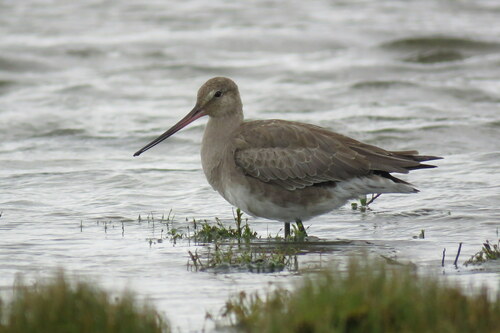 Aguja Café
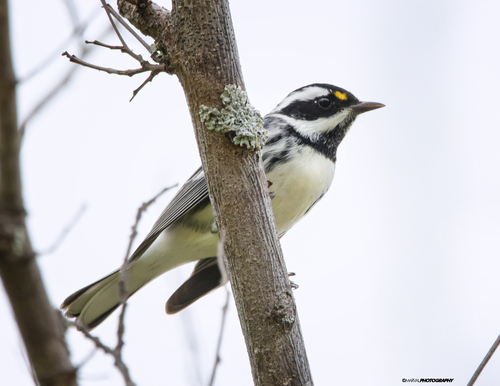 Reinita Gris
En breve
Aguja Café y Reinita Gris son extremadamente improbables de confundirse en el campo debido a su vasta diferencia de tamaño y estructura contrastante, pero la confusión puede surgir en vistas distantes, breves o con poca luz, especialmente de inmaduros en vuelo. La aguja es un ave playera grande y erguida con patas largas y un pico largo, ligeramente curvado hacia arriba, de base rosa, que muestra una striking rabadilla blanca y cola negra en vuelo, mientras que la reinita es un pequeño y activo pájaro cantor con un pico corto y delgado y un patrón facial audaz en negro, gris y blanco. Las agujas juveniles y no reproductoras aún muestran la rabadilla blanca y la cola negra en vuelo, una marca clave en todas las edades, mientras que la reinita nunca muestra tal patrón. Si ves un ave con alas inferiores negras y una rabadilla blanca destellando en vuelo, es la aguja. En posado, concéntrate en la forma del pico, la longitud de las patas y el tamaño general.
Consejos de identificación
- Rabadilla blanca y cola negra en vuelo (todas las edades): Solo Aguja Café muestra una audaz rabadilla blanca y cola negra en vuelo. Si ves este patrón, especialmente sobre llanuras de barro o pantanos, es una aguja, no una reinita.
- Forros de alas inferiores negros (aguja): En vuelo, las agujas muestran forros de alas inferiores negros, una característica que nunca se ve en la reinita.
- Tamaño y forma: La aguja es masiva en comparación con la pequeña reinita. Si el ave está cerca del tamaño de una paloma o más grande, es una aguja. Las reinita son del tamaño de un gorrión y delicadas.
- Forma del pico: La aguja tiene un pico largo, ligeramente curvado hacia arriba, de base rosa con una punta oscura, utilizado para sondear el barro. La reinita tiene un pico corto, delgado y puntiagudo para recoger insectos.
- Longitud de las patas: La aguja tiene patas muy largas, gris azulado, a menudo visibles incluso en vuelo. La reinita tiene patas cortas, que nunca parecen largas.
- Postura en posado: La aguja se mantiene erguida, a menudo en áreas húmedas y abiertas. La reinita se posa horizontalmente o se mueve entre el follaje, rara vez en el abierto.
- Patrón facial: La reinita (especialmente los machos) tiene un audaz patrón facial en blanco y negro con una pequeña mancha amarilla frente al ojo. La aguja tiene una cara simple sin tales marcas.
- Partes inferiores: La aguja en plumaje de cría tiene partes inferiores castañas; la reinita siempre es blanca por debajo con rayas negras en los flancos, nunca castaña.
- Confusión de sexo/edad: Las reinita hembras tienen una garganta blanca y una cabeza más apagada pero aún muestran el patrón facial; los sexos de la aguja son similares excepto por diferencias sutiles en la cría.
- Contexto de hábitat: La aguja se encuentra en áreas húmedas y abiertas; la reinita está en árboles o arbustos, a menudo lejos del agua.
- Comportamiento: La aguja camina o se adentra; la reinita se mueve rápidamente, se detiene y recoge.
- Estilo de vuelo: La aguja vuela con batidos de alas fuertes y directos; el vuelo de la reinita es débil, aleteante y rara vez sostenido sobre terreno abierto.
- Vocalizaciones: La reinita emite agudos llamados 'tup' y canciones zumbonas; la aguja es mayormente silenciosa, especialmente lejos de las áreas de cría.
- Contexto estacional: La aguja es un migrante de larga distancia, a menudo vista en migración en sitios de parada; la reinita está presente en bosques durante la cría y migración.
- Vistas engañosas: Vistas distantes, contraluz o breves pueden oscurecer el tamaño y la estructura, pero la rabadilla blanca/cola negra en vuelo y el hábitat deberían resolver casi toda confusión.
Tamaño
Aguja Café es un ave playera muy grande, pesando alrededor de 255.5 g [wikidata], con patas largas y una longitud de cuerpo mucho mayor que la Reinita Gris, que es un pequeño paseriforme de aproximadamente 13 cm (5.1 in) de longitud y pesando solo 8.4 g [wikipedia]. La aguja se mantiene alta, a menudo hasta la rodilla de una persona, mientras que la reinita es del tamaño de un gorrión y delicada. No hay superposición en tamaño: cualquier ave que se acerque remotamente a la masa de la aguja no puede ser una reinita.
Plumaje
- Juveniles/Inmaduros/Aves Voladoras: Aguja Café de todas las edades muestra una audaz rabadilla blanca y cola negra en vuelo, con alas inferiores negras (forros de alas negros) [wikipedia]. Este patrón nunca es mostrado por la Reinita Gris, que tiene partes superiores grises simples y partes inferiores blancas con rayas negras en los flancos, y sin rabadilla blanca o cola negra.
- Adultos (posados): Los adultos de la aguja tienen partes superiores marrones moteadas, partes inferiores castañas en plumaje de cría, patas largas gris azulado y un pico largo de base rosa. Las reinita tienen partes superiores grises, partes inferiores blancas con rayas negras y un patrón facial distintivo: los machos tienen una garganta y corona negras, las hembras tienen una garganta blanca y cabeza más apagada.
- Variación de Sexo/Edad: Los sexos de la aguja son similares excepto en plumaje de cría, donde las hembras son ligeramente más pesadas. Los machos de la reinita están marcados audazmente, las hembras son más pálidas con una garganta blanca. Ningún plumaje de aguja se asemeja jamás al patrón facial de la reinita.
Comportamiento
Aguja Café se ve típicamente hurgando o caminando en llanuras de barro abiertas, pantanos o costas, a menudo sondeando con su largo pico. En vuelo, es fuerte y directo, con rápidos batidos de alas y una rabadilla blanca obvia. Reinita Gris es altamente activa, recogiendo insectos del follaje, a menudo moviéndose rápidamente y flotando en árboles o arbustos. Rara vez, si es que alguna vez, camina por el suelo y nunca se adentra. La aguja se mantiene erguida y se mueve deliberadamente; la reinita es inquieta y rápida.
Hábitat
Las agujas se encuentran en hábitats húmedos abiertos: llanuras de barro, pantanos, costas y a veces campos inundados, especialmente durante la migración. Nunca están en árboles o arbustos densos. La Reinita Gris se encuentra en bosques, especialmente en bosques abiertos de coníferas o mixtos, bosques de robles, y a veces en chaparrales o matorrales, casi siempre en o cerca de árboles y lejos de agua abierta o llanuras de barro. Si el ave está en un dosel forestal o arbusto, es una reinita; si está en una llanura de barro o adentrándose, es una aguja.
Voz
Aguja Café es generalmente silenciosa, pero puede emitir llamados agudos y de tono alto, especialmente en vuelo o alarma, pero estos no se describen en detalle aquí. Reinita Gris emite un agudo llamado 'tup' o 'grueso', y el macho canta una canción zumbona y duplicada con una nota alta cerca del final. Los llamados de la reinita son más frecuentes y fácilmente escuchados en hábitats boscosos, mientras que los llamados de la aguja son raros y no son una marca de campo confiable en la mayoría de las situaciones.