

Hudsonian Godwit vs Black-throated Gray Warbler
Limosa haemastica contro Setophaga nigrescens
Fai un quiz con Hudsonian Godwit e Black-throated Gray Warbler
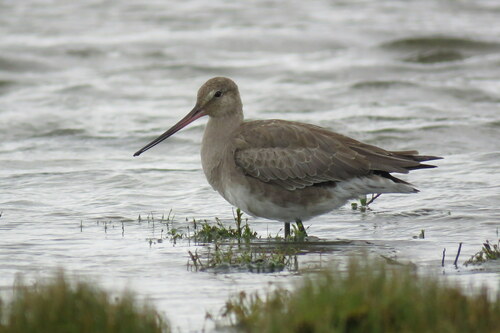 Hudsonian Godwit
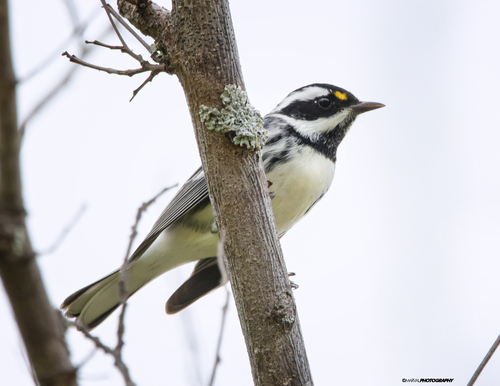 Black-throated Gray Warbler
In breve
Hudsonian Godwit e Black-throated Gray Warbler sono estremamente improbabili da confondere sul campo a causa della loro vasta differenza di dimensioni e struttura contrastante, ma la confusione può sorgere in viste distanti, brevi o in condizioni di scarsa illuminazione, specialmente di immaturi in volo. Il godwit è un grande uccello costiero eretto con lunghe gambe e un lungo becco rosa leggermente ricurvo, che mostra un sorprendente sottocoda bianco e una coda nera in volo, mentre il warbler è un piccolo uccello canoro attivo con un becco corto e sottile e un audace motivo facciale nero, grigio e bianco. I godwit giovanili e non in riproduzione mostrano ancora il sottocoda bianco e la coda nera in volo, un segno chiave a tutte le età, mentre il warbler non mostra mai un tale motivo. Se vedi un uccello con ali inferiori nere e un sottocoda bianco che lampeggia in volo, è il godwit. In posizione per il riposo, concentrati sulla forma del becco, sulla lunghezza delle gambe e sulla dimensione complessiva.
Consigli di identificazione
- Sottocoda bianco e coda nera in volo (tutte le età): Solo Hudsonian Godwit mostra un audace sottocoda bianco e coda nera in volo. Se vedi questo motivo, specialmente su fanghi o paludi, è un godwit, non un warbler.
- Ali inferiori nere (godwit): In volo, i godwit mostrano ali inferiori nere, una caratteristica mai vista nel warbler.
- Dimensione e forma: Il godwit è massiccio rispetto al piccolo warbler. Se l'uccello è di dimensioni simili a quelle di un piccione o più grande, è un godwit. I warbler sono delle dimensioni di un passero e delicati.
- Forma del becco: Il godwit ha un lungo becco rosa leggermente ricurvo con una punta scura, usato per sondare il fango. Il warbler ha un becco corto, sottile e appuntito per raccogliere insetti.
- Lunghezza delle gambe: Il godwit ha gambe molto lunghe, grigio-blu, spesso visibili anche in volo. Il warbler ha gambe corte, che non appaiono mai lunghe.
- Postura in posizione per il riposo: Il godwit sta eretto, spesso in aree aperte e umide. Il warbler si appollaia orizzontalmente o si muove tra il fogliame, raramente in aperto.
- Motivo facciale: Il warbler (soprattutto i maschi) ha un audace motivo facciale bianco e nero con una piccola macchia gialla davanti all'occhio. Il godwit ha un volto semplice senza tali segni.
- Parte inferiore: Il godwit in abito nuziale ha parti inferiori castano; il warbler è sempre bianco sotto con strisce nere ai fianchi, mai castano.
- Confusione di sesso/età: Le femmine di warbler hanno una gola bianca e una testa più opaca ma mostrano ancora il motivo facciale; i sessi del godwit sono simili tranne per sottili differenze di riproduzione.
- Contesto dell'habitat: Il godwit si trova in aree aperte e umide; il warbler si trova in alberi o arbusti, spesso lontano dall'acqua.
- Comportamento: Il godwit cammina o si immerge; il warbler si muove rapidamente, fluttua e raccoglie.
- Stile di volo: Il godwit vola con colpi d'ala forti e diretti; il volo del warbler è debole, tremolante e raramente sostenuto su terreno aperto.
- Vocalizzazioni: Il warbler emette richiami acuti 'tup' e canti ronzanti; il godwit è per lo più silenzioso, specialmente lontano dai luoghi di riproduzione.
- Contesto stagionale: Il godwit è un migratore a lungo raggio, spesso visto in migrazione in siti di sosta; il warbler è presente nelle foreste durante la riproduzione e la migrazione.
- Viste fuorvianti: Viste distanti, retroilluminate o brevi possono oscurare dimensioni e struttura, ma il sottocoda bianco/coda nera in volo e l'habitat dovrebbero risolvere quasi tutta la confusione.
Taglia
Hudsonian Godwit è un grande uccello costiero, che pesa circa 255,5 g [wikidata], con lunghe gambe e una lunghezza del corpo molto maggiore rispetto al Black-throated Gray Warbler, che è un piccolo passeriforme di circa 13 cm (5,1 in) di lunghezza e pesa solo 8,4 g [wikipedia]. Il godwit si erge alto, spesso fino al ginocchio di una persona, mentre il warbler è delle dimensioni di un passero e delicato. Non c'è sovrapposizione nelle dimensioni: qualsiasi uccello che si avvicina minimamente alla massa del godwit non può essere un warbler.
Piumaggio
- Giovanili/Immaturi/Uccelli in volo: Hudsonian Godwit di tutte le età mostra un audace sottocoda bianco e coda nera in volo, con ali inferiori nere (rivestimenti delle ali neri) [wikipedia]. Questo motivo non è mai mostrato dal Black-throated Gray Warbler, che ha parti superiori grigie semplici e parti inferiori bianche con strisce nere ai fianchi, e nessun sottocoda bianco o coda nera.
- Adulti (in posizione per il riposo): Gli adulti del godwit hanno parti superiori marroni macchiate, parti inferiori castano in abito nuziale, lunghe gambe grigio-blu e un lungo becco rosa. I warbler hanno parti superiori grigie, parti inferiori bianche con strisce nere e un motivo facciale distintivo: i maschi hanno una gola e una corona nere, le femmine hanno una gola bianca e una testa più opaca.
- Variazione di sesso/età: I sessi del godwit sono simili tranne che in abito nuziale, dove le femmine sono leggermente più pesanti. I maschi del warbler sono marcati in modo audace, le femmine sono più chiare con una gola bianca. Nessun piumaggio del godwit somiglia mai al motivo facciale del warbler.
Comportamento
Hudsonian Godwit è tipicamente visto mentre si immerge o cammina in fanghi aperti, paludi o coste, spesso sondando con il suo lungo becco. In volo, è forte e diretto, con colpi d'ala rapidi e un evidente sottocoda bianco. Black-throated Gray Warbler è altamente attivo, raccogliendo insetti dal fogliame, spesso fluttuando e librandosi tra alberi o arbusti. Raramente, se non mai, cammina a terra e non si immerge mai. Il godwit sta eretto e si muove deliberatamente; il warbler è irrequieto e veloce.
Habitat
I godwit si trovano in habitat umidi aperti: fanghi, paludi, coste e talvolta campi allagati, specialmente durante la migrazione. Non si trovano mai in alberi o arbusti densi. Black-throated Gray Warbler si trova in boschi, specialmente in foreste conifere aperte o miste, boschi di querce e talvolta in chaparral o cespugli, quasi sempre in o vicino ad alberi e lontano da acqua aperta o fanghi. Se l'uccello è nella chioma di una foresta o in un cespuglio, è un warbler; se è su un fango o si immerge, è un godwit.
Voce
Hudsonian Godwit è generalmente silenzioso, ma può emettere richiami acuti e di alta tonalità, specialmente in volo o in allerta, ma questi non sono descritti in dettaglio qui. Black-throated Gray Warbler emette un richiamo acuto 'tup' o 'spesso', e il maschio canta una melodia ronzante e doppia con una nota alta verso la fine. I richiami del warbler sono più frequenti e facilmente udibili in habitat boschivi, mentre i richiami del godwit sono rari e non un segno affidabile sul campo nella maggior parte delle situazioni.
Hudsonian Godwit · Black-throated Gray Warbler · I miei uccelli difficili