
tartaranhão-cinzento vs açor
Circus cyaneus versus Astur gentilis
Jogue um quiz com tartaranhão-cinzento e açor
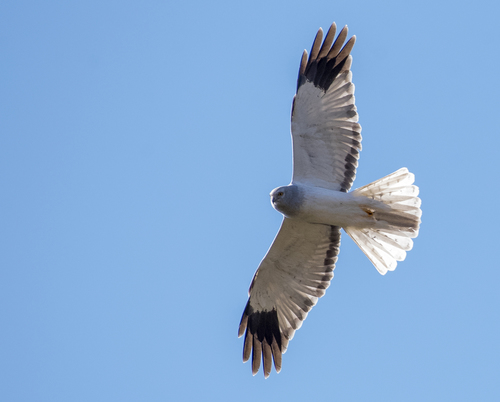 tartaranhão-cinzento
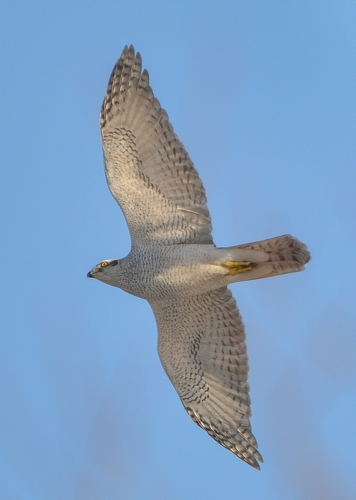 açor
Em resumo
A marca de campo mais confiável entre o tartaranhão-cinzento e o açor é a presença de uma distinta mancha branca na região do rabo em todas as idades do tartaranhão-cinzento, especialmente visível em voo, que nunca é mostrada pelo açor. Os tartaranhões-cinzentos juvenis (os 'ringtails') são marrons por cima com uma mancha branca na região do rabo e partes inferiores amarelas, menos barradas, enquanto os açores juvenis são marrons por cima, mas não têm a mancha branca na região do rabo e apresentam listras ou barras escuras fortes abaixo. Estruturalmente, o tartaranhão-cinzento é mais esbelto, com asas mais longas e cauda mais longa, com um estilo de voo flutuante, baixo e deslizante, enquanto o açor é muito mais robusto, com asas mais curtas e largas e um voo mais poderoso, com batidas profundas. Em vistas empoleiradas, o açor parece mais robusto com um supercílios pálido proeminente, que está ausente no tartaranhão-cinzento. O habitat também pode ajudar: o tartaranhão-cinzento é quase sempre visto caçando baixo sobre campos abertos, enquanto o açor prefere áreas florestais e raramente é visto em habitats abertos.
Dicas de identificação
- Mancha branca na região do rabo: Todas as idades e sexos do tartaranhão-cinzento mostram uma clara mancha branca na região do rabo em voo, especialmente óbvia de trás ou de cima. O açor nunca mostra uma mancha branca na região do rabo; suas costas e rabo são da mesma cor.
- Formato das asas e estilo de voo: O tartaranhão-cinzento tem asas longas e estreitas mantidas em um V raso ao planar, dando um voo flutuante e leve sobre o solo aberto. O açor tem asas mais curtas e largas e um voo mais pesado e deliberado com batidas profundas, geralmente mais alto e mais direto.
- Formato da cauda: A cauda do tartaranhão-cinzento é longa e esbelta, muitas vezes parecendo ligeiramente arredondada ou em forma de cunha. A cauda do açor também é longa, mas mais larga e mais quadrada, com barras escuras ousadas.
- Partes inferiores juvenis: O tartaranhão-cinzento juvenil ('ringtail') tem partes inferiores amarelas com barras fracas, enquanto o açor juvenil é fortemente listrado ou barrado abaixo, muitas vezes com um tom canela mais escuro.
- Plumagem do macho adulto: O macho adulto do tartaranhão-cinzento é cinza claro por cima, branco por baixo, com pontas de asas pretas e uma mancha branca na região do rabo—nunca igualada pelo açor.
- Confusão entre fêmeas adultas/juvenis: Tanto a fêmea do tartaranhão-cinzento quanto o açor juvenil são marrons por cima, mas apenas o tartaranhão-cinzento mostra a mancha branca na região do rabo. O açor é mais robusto, com um supercílios branco proeminente e listras mais pesadas abaixo.
- Supercílios (sobrancelha): O açor de todas as idades mostra um supercílios branco ousado, especialmente em adultos. O tartaranhão-cinzento não possui essa característica.
- Tamanho e robustez: O açor é muito maior e mais pesado que o tartaranhão-cinzento, especialmente nas fêmeas. Se você conseguir uma boa comparação de tamanho (com corvos ou milhafres), use-a com cautela.
- Pernas e pés: O açor tem pernas e dedos robustos e grossos, frequentemente visíveis quando empoleirados; as pernas do tartaranhão-cinzento são mais esbeltas.
- Postura empoleirada: O açor empoleira-se ereto, parecendo poderoso e com peito profundo, frequentemente em árvores. O tartaranhão-cinzento empoleira-se mais baixo, mais esbelto, e geralmente em postes ou no chão em campo aberto.
- Habitat: O tartaranhão-cinzento está quase sempre em campo aberto; o açor é uma ave florestal. O contexto pode ajudar, mas cuidado com a migração.
- Vocalizações: Se você ouvir um chamado assobiado ou tagarelando de um harrier deslizando sobre campos, é provável que seja um tartaranhão-cinzento. O açor geralmente é silencioso longe do ninho.
- Comportamento: O tartaranhão-cinzento caça voando baixo sobre o solo aberto; o açor caça por ataques surpresa em florestas ou corridas rápidas a partir de abrigo.
- Gaps de muda: Não é geralmente uma marca de campo, mas a fêmea do açor no final da primavera pode mostrar lacunas nas asas devido à muda, raramente vistas no tartaranhão-cinzento.
- Armadilhas: O açor juvenil pode parecer marrom e listrado como um harrier 'ringtail', mas sempre falta a mancha branca na região do rabo e mostra uma construção mais pesada e poderosa com um supercílios forte.
Tamanho
O açor é significativamente maior e mais pesado que o tartaranhão-cinzento. A massa corporal média é de cerca de 926 g para o açor e 436,5 g para o tartaranhão-cinzento, com as fêmeas do açor especialmente massivas em comparação com até mesmo a maior fêmea do tartaranhão-cinzento. No campo, o açor parece muito mais robusto e poderoso, com um peito profundo e pernas grossas, enquanto o tartaranhão-cinzento é esbelto, com asas longas e graciosas. A envergadura do tartaranhão-cinzento é semelhante ou ligeiramente mais curta, mas a impressão geral é de um pássaro mais leve e flutuante. Se vistos juntos, o açor ofusca o tartaranhão-cinzento.
Plumagem
- Aves juvenis/imaturas: Os tartaranhões-cinzentos juvenis ('ringtails') são marrons por cima com uma marcante mancha branca na região do rabo e partes inferiores amarelas com barras fracas; suas secundárias são marrons escuras e a barriga é menos distintamente barrada. Os açores juvenis também são marrons por cima, mas não têm a mancha branca na região do rabo, e suas partes inferiores são fortemente listradas ou barradas com um tom canela escuro, nunca amarelo. Ambos mostram caudas barradas, mas a barragem da cauda do açor é mais ampla e mais contrastante.
- Adultos: O macho adulto do tartaranhão-cinzento é cinza claro por cima, branco por baixo, com pontas de asas pretas e uma mancha branca na região do rabo. A fêmea adulta é marrom por cima, amarela por baixo com barras marrons, e sempre mostra a mancha branca na região do rabo. O açor adulto é azul-cinza ou cinza-acastanhado por cima, branco ou cinza por baixo com finas barras escuras, e sempre tem um supercílios branco ousado; sem mancha branca na região do rabo. A plumagem do açor é mais variável, mas nunca mostra a mancha branca do harrier ou a aparência limpa cinza e branca do macho.
- Em voo: As asas do tartaranhão-cinzento são mais longas e estreitas, com uma forma de 'V' mais óbvia e uma mancha branca visível de cima e de trás. As asas do açor são mais curtas, mais largas e mais arredondadas, com uma cauda mais longa e mais quadrada e sem mancha branca na região do rabo.
Comportamento
O tartaranhão-cinzento caça voando baixo sobre o solo aberto com as asas mantidas em um V raso, deslizando e percorrendo campos e charnecas. Seu voo é flutuante, leve e muitas vezes acompanhado de vocalizações. O açor, em contraste, é um caçador de florestas: voa com batidas de asas profundas e poderosas intercaladas com deslizamentos, e é capaz de perseguições explosivas e rápidas através das árvores. O açor raramente é visto em campo aberto e geralmente é muito mais discreto, frequentemente empoleirando-se por longos períodos em abrigo. O tartaranhão-cinzento é muito mais provável de ser visto caçando abertamente durante o dia, enquanto o açor é frequentemente vislumbrado apenas brevemente enquanto corre através da floresta.
Habitat
O tartaranhão-cinzento é um especialista em habitats abertos: charnecas, pântanos, pastagens e terras agrícolas, raramente aventurando-se em florestas densas. É mais frequentemente visto em campo aberto, especialmente durante a migração e o inverno. O açor é um rapinante florestal, favorecendo florestas maduras, bordas florestais e grandes parques; raramente é visto em campo aberto, exceto durante a migração. Se você ver um rapinante caçando baixo sobre campos ou charnecas, é muito mais provável que seja um tartaranhão-cinzento; uma grande águia emergindo de ou voando através de árvores é mais provável que seja um açor.
Voz
O tartaranhão-cinzento é relativamente vocal, especialmente durante exibições e passagens de alimento: as fêmeas emitem um assobio 'piih-eh' e um alarmado 'chit-it-it-it-it-et-it', enquanto os machos emitem um 'chek-chek-chek' e um 'chuk-uk-uk-uk' saltitante durante a exibição. O açor é geralmente muito mais silencioso e raramente vocaliza longe do ninho; seus chamados não são descritos nas notas fornecidas, mas não são uma marca de campo na maioria das situações.