
Aguilucho Pálido vs Azor Euroasiático
Circus cyaneus frente a Astur gentilis
Juega un quiz con Aguilucho Pálido y Azor Euroasiático
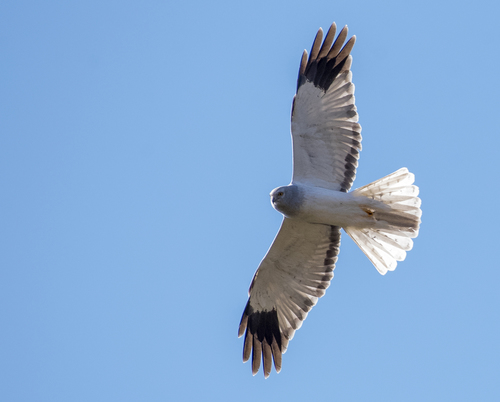 Aguilucho Pálido
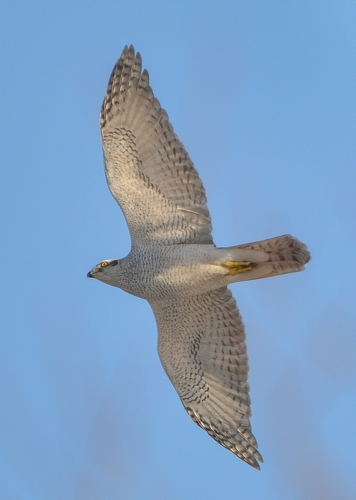 Azor Euroasiático
En breve
La marca de campo más confiable entre el Aguilucho Pálido y el Azor Euroasiático es la presencia de una distintiva mancha blanca en la rabadilla en todas las edades del Aguilucho Pálido, especialmente visible en vuelo, que nunca se muestra en el Azor. Los Aguiluchos Pálidos juveniles (los 'ringtails') son marrones por encima con una rabadilla blanca y partes inferiores de color crema, menos barradas, mientras que los Azores juveniles son marrones por encima pero carecen de la rabadilla blanca y muestran un fuerte estriado oscuro o barrado por debajo. Estructuralmente, el Aguilucho Pálido es más delgado, con alas más largas y cola más larga, con un estilo de vuelo flotante, bajo y planeador, mientras que el Azor es mucho más robusto, con alas más cortas y anchas y un vuelo más potente y profundo. En vistas posadas, el Azor parece más robusto con un prominente supercilio pálido (ceja), que está ausente en el Aguilucho Pálido. El hábitat también puede ayudar: el Aguilucho Pálido se ve casi siempre cazando bajo sobre campos abiertos, mientras que el Azor prefiere áreas boscosas y rara vez se ve en hábitats abiertos.
Consejos de identificación
- Mancha blanca en la rabadilla: Todas las edades y sexos del Aguilucho Pálido muestran una clara rabadilla blanca en vuelo, especialmente obvia desde atrás o arriba. El Azor nunca muestra una rabadilla blanca; su espalda y rabadilla son de color uniforme.
- Forma de las alas y estilo de vuelo: El Aguilucho Pálido tiene alas largas y estrechas que se mantienen en una V poco profunda al planear, dando un vuelo flotante y ligero sobre el suelo abierto. El Azor tiene alas más cortas y anchas y un vuelo más pesado y deliberado con batidos profundos, generalmente más alto y directo.
- Forma de la cola: La cola del Aguilucho Pálido es larga y delgada, a menudo apareciendo ligeramente redondeada o en forma de cuña. La cola del Azor también es larga pero más ancha y más cuadrada, con un fuerte barrado oscuro.
- Partes inferiores juveniles: El Aguilucho Pálido juvenil ('ringtail') tiene partes inferiores de color crema con un barrado tenue, mientras que el Azor juvenil está fuertemente estriado o barrado por debajo, a menudo con un tono canela más oscuro.
- Plumaje del macho adulto: El macho adulto del Aguilucho Pálido es de un gris pálido por encima, blanco por debajo, con puntas de alas negras y una rabadilla blanca—nunca igualada por el Azor.
- Confusión entre hembra adulta/juvenil: Tanto la hembra del Aguilucho Pálido como el Azor juvenil son marrones por encima, pero solo el Aguilucho Pálido muestra la rabadilla blanca. El Azor es más robusto, con un prominente supercilio blanco y un estriado más pesado por debajo.
- Supercilio (ceja): El Azor de todas las edades muestra un supercilio blanco audaz, especialmente en adultos. El Aguilucho Pálido carece de esta característica.
- Tamaño y robustez: El Azor es mucho más grande y pesado que el Aguilucho Pálido, especialmente en hembras. Si obtienes una buena comparación de tamaño (con cuervos o busardos), úsala con precaución.
- Piernas y pies: El Azor tiene piernas y dedos robustos y gruesos, a menudo visibles cuando está posado; las piernas del Aguilucho Pálido son más delgadas.
- Postura posada: El Azor se posa erguido, luciendo poderoso y con el pecho profundo, a menudo en árboles. El Aguilucho Pálido se posa más bajo, más esbelto, y generalmente en postes o en el suelo en campos abiertos.
- Hábitat: El Aguilucho Pálido está casi siempre en campos abiertos; el Azor es un ave de bosque. El contexto puede ayudar, pero ten cuidado con la migración.
- Vocalizaciones: Si escuchas un llamado silbante o charlante de un aguilucho planeando sobre campos, es probable que sea un Aguilucho Pálido. El Azor generalmente es silencioso lejos del nido.
- Comportamiento: El Aguilucho Pálido caza volando bajo sobre el suelo abierto; el Azor caza mediante ataques sorpresa en el bosque o carreras rápidas desde la cobertura.
- Gaps de muda: No suele ser una marca de campo, pero la hembra del Azor en la primavera tardía puede mostrar gaps en las alas debido a la muda, rara vez vistos en el Aguilucho Pálido.
- Trampas: El Azor juvenil puede parecer marrón y estriado como un aguilucho 'ringtail', pero siempre carece de la rabadilla blanca y muestra una construcción más pesada y poderosa con un fuerte supercilio.
Tamaño
El Azor Euroasiático es significativamente más grande y pesado que el Aguilucho Pálido. La masa corporal promedio es de aproximadamente 926 g para el Azor y 436.5 g para el Aguilucho Pálido, siendo las hembras de Azor especialmente masivas en comparación incluso con la hembra más grande del Aguilucho Pálido. En el campo, el Azor parece mucho más robusto y poderoso, con un pecho profundo y piernas gruesas, mientras que el Aguilucho Pálido es delgado, con alas largas y elegante. La envergadura del Aguilucho Pálido es similar o ligeramente más corta, pero la impresión general es de un ave más ligera y flotante. Si se ven juntas, el Azor eclipsa al Aguilucho Pálido.
Plumaje
- Aves juveniles/inmaduras: Los Aguiluchos Pálidos juveniles ('ringtails') son marrones por encima con una llamativa mancha blanca en la rabadilla y partes inferiores de color crema con un barrado tenue; sus secundarias son de color marrón oscuro y el vientre está menos distintivamente barrado. Los Azores juveniles también son marrones por encima pero carecen de la rabadilla blanca, y sus partes inferiores están fuertemente estriadas o barradas con un marrón canela oscuro, nunca de color crema. Ambos muestran colas barradas, pero el barrado de la cola del Azor es más ancho y contrastante.
- Adultos: El macho adulto del Aguilucho Pálido es de un gris pálido por encima, blanco por debajo, con puntas de alas negras y una rabadilla blanca. La hembra adulta es marrón por encima, de color crema por debajo con barrado marrón, y siempre muestra la rabadilla blanca. El Azor adulto es de color azul grisáceo o marrón grisáceo por encima, blanco o gris por debajo con un fino barrado oscuro, y siempre tiene un audaz supercilio blanco (ceja); sin rabadilla blanca. El plumaje del Azor es más variable, pero nunca muestra la rabadilla blanca del aguilucho o el aspecto limpio gris y blanco del macho.
- En vuelo: Las alas del Aguilucho Pálido son más largas y estrechas, con una forma de 'V' más obvia y una rabadilla blanca visible desde arriba y detrás. Las alas del Azor son más cortas, más anchas y más redondeadas, con una cola más larga y más cuadrada y sin rabadilla blanca.
Comportamiento
El Aguilucho Pálido caza volando bajo sobre el suelo abierto con las alas en una V poco profunda, planeando y recorriendo campos y páramos. Su vuelo es flotante, ligero y a menudo acompañado de vocalizaciones. El Azor, en contraste, es un cazador de bosque: vuela con batidos de alas profundos y poderosos intercalados con planeos, y es capaz de persecuciones explosivas y rápidas a través de los árboles. El Azor rara vez se ve en campos abiertos y generalmente es mucho más reservado, a menudo posándose durante largos períodos en la cobertura. El Aguilucho Pálido es mucho más probable que se vea cazando abiertamente durante el día, mientras que el Azor a menudo solo se vislumbra brevemente mientras se lanza a través del bosque.
Hábitat
El Aguilucho Pálido es un especialista en hábitats abiertos: páramos, pantanos, praderas y tierras agrícolas, rara vez aventurándose en bosques densos. Se ve más a menudo en campos abiertos, especialmente durante la migración y el invierno. El Azor Euroasiático es un ave rapaz de bosque, que prefiere bosques maduros, bordes boscosos y grandes parques; rara vez se ve en campos abiertos excepto cuando migra. Si ves un ave rapaz cazando bajo sobre campos o páramos, es mucho más probable que sea un Aguilucho Pálido; un gran halcón que emerge de o vuela a través de árboles es más probable que sea un Azor.
Voz
El Aguilucho Pálido es relativamente vocal, especialmente durante los despliegues y los pases de alimento: las hembras emiten un silbido 'piih-eh' y un alarmado 'chit-it-it-it-it-et-it', mientras que los machos emiten un 'chek-chek-chek' y un rebotante 'chuk-uk-uk-uk' en el despliegue. El Azor es generalmente mucho más silencioso y rara vez vocaliza lejos del nido; sus llamados no están descritos en las notas proporcionadas, pero no son una marca de campo en la mayoría de las situaciones.