
Albanella reale vs Astore
Circus cyaneus contro Astur gentilis
Fai un quiz con Albanella reale e Astore
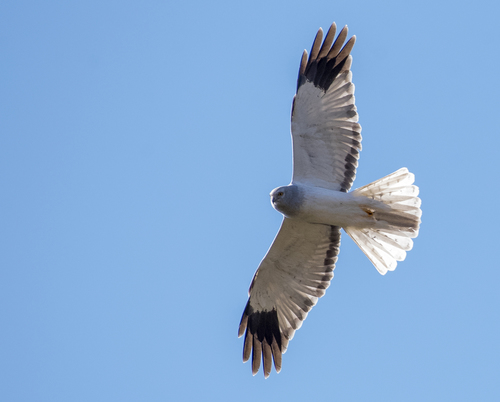 Albanella reale
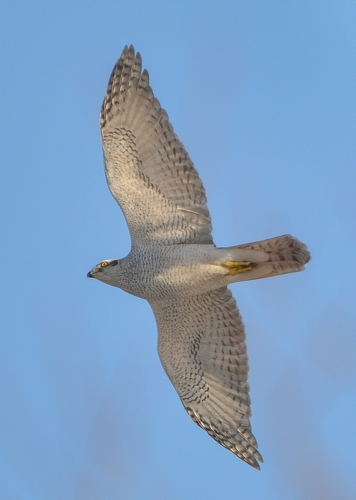 Astore
In breve
Il segno distintivo più affidabile tra Albanella reale e Astore è la presenza di una chiara macchia bianca sulla coda in tutte le età di Albanella reale, particolarmente visibile in volo, che non è mai mostrata dall'Astore. Le Albanelle reali juvenile (i 'ringtails') sono marroni sopra con una coda bianca e parti inferiori color crema, meno barrate, mentre gli Astore juvenile sono marroni sopra ma mancano della coda bianca e mostrano forti striature scure o barrature sotto. Strutturalmente, l'Albanella reale è più snella, con ali più lunghe e coda più lunga, con uno stile di volo galleggiante, basso e planante, mentre l'Astore è molto più massiccio, con ali più corte e larghe e un volo più potente e profondo. Nelle viste in perching, l'Astore appare più robusto con un prominente supercilium chiaro (sopracciglio), assente nell'Albanella reale. L'habitat può anche aiutare: l'Albanella reale è quasi sempre vista cacciare bassa su terreni aperti, mentre l'Astore preferisce le aree boschive ed è raramente visto in habitat aperti.
Consigli di identificazione
- White rump patch: Tutte le età e i sessi di Albanella reale mostrano una chiara coda bianca in volo, particolarmente evidente da dietro o dall'alto. L'Astore non mostra mai una coda bianca; il suo dorso e la sua coda sono concolori.
- Wing shape and flight style: L'Albanella reale ha ali lunghe e strette tenute in una V poco profonda quando plana, dando un volo galleggiante e fluttuante basso su terreni aperti. L'Astore ha ali più corte e larghe e un volo più pesante e deliberato con battiti d'ala profondi, di solito più alto e diretto.
- Tail shape: La coda dell'Albanella reale è lunga e snella, spesso apparendo leggermente arrotondata o a forma di cuneo. La coda dell'Astore è anch'essa lunga ma più larga e più squadrata, con barrature scure audaci.
- Juvenile underparts: L'Albanella reale juvenile ('ringtail') ha parti inferiori color crema con barrature deboli, mentre l'Astore juvenile è pesantemente striato o barrato sotto, spesso con un tono cannella più scuro.
- Adult male plumage: L'adulto maschio di Albanella reale è grigio chiaro sopra, bianco sotto, con punte nere alle ali e una coda bianca—mai eguagliato dall'Astore.
- Adult female/juvenile confusion: Sia l'Albanella reale femmina che l'Astore juvenile sono marroni sopra, ma solo l'Albanella reale mostra la coda bianca. L'Astore è più massiccio, con un prominente supercilium bianco e striature più pesanti sotto.
- Supercilium (eyebrow): L'Astore di tutte le età mostra un audace supercilium bianco, specialmente negli adulti. L'Albanella reale manca di questa caratteristica.
- Size and bulk: L'Astore è molto più grande e pesante dell'Albanella reale, specialmente nelle femmine. Se ottieni un buon confronto di dimensioni (con corvi o poiane), usalo con cautela.
- Legs and feet: L'Astore ha gambe e dita robuste e spesse, spesso visibili quando è in perching; le gambe dell'Albanella reale sono più snelle.
- Perched posture: L'Astore si posiziona eretto, apparendo potente e con un petto profondo, spesso sugli alberi. L'Albanella reale si posiziona più in basso, più snella, e di solito su pali o a terra in terreni aperti.
- Habitat: L'Albanella reale è quasi sempre in terreni aperti; l'Astore è un uccello di bosco. Il contesto può aiutare, ma fai attenzione alla migrazione.
- Vocalizations: Se senti un richiamo fischiato o chiacchierato da un falco che plana su campi, è probabile che sia un'Albanella reale. L'Astore è solitamente silenzioso lontano dal nido.
- Behavior: L'Albanella reale caccia volando basso su terreni aperti; l'Astore caccia con attacchi a sorpresa nel bosco o rapide corse da nascondigli.
- Moult gaps: Non è solitamente un segno distintivo, ma la femmina di Astore in tarda primavera può mostrare lacune alle ali a causa della muta, raramente viste nell'Albanella reale.
- Pitfalls: L'Astore juvenile può sembrare marrone e striato come un falco 'ringtail', ma manca sempre della coda bianca e mostra una costruzione più pesante e potente con un forte supercilium.
Taglia
L'Astore è significativamente più grande e pesante dell'Albanella reale. La massa corporea media è di circa 926 g per l'Astore e 436,5 g per l'Albanella reale, con le femmine di Astore particolarmente massicce rispetto anche alla più grande femmina di Albanella reale. Sul campo, l'Astore appare molto più massiccio e potente, con un petto profondo e gambe spesse, mentre l'Albanella reale è snella, con ali lunghe e aggraziate. L'apertura alare dell'Albanella reale è simile o leggermente più corta, ma l'impressione generale è di un uccello più leggero e galleggiante. Se visti insieme, l'Astore sovrasta l'Albanella reale.
Piumaggio
- Juvenile/immature birds: Le Albanelle reali juvenile ('ringtails') sono marroni sopra con una chiara macchia bianca sulla coda e parti inferiori color crema con barrature deboli; le loro secondarie sono marroni scure e il ventre è meno distintamente barrato. Gli Astore juvenile sono anch'essi marroni sopra ma mancano della coda bianca, e le loro parti inferiori sono pesantemente striate o barrate con un marrone cannella scuro, mai color crema. Entrambi mostrano code barrate, ma le barrature della coda dell'Astore sono più larghe e più contrastanti.
- Adults: L'adulto maschio di Albanella reale è grigio chiaro sopra, bianco sotto, con punte nere alle ali e una coda bianca. L'adulta femmina è marrone sopra, color crema sotto con barrature marroni, e mostra sempre la coda bianca. L'adulto Astore è blu-grigio o grigio-marrone sopra, bianco o grigio sotto con fini barrature scure, e ha sempre un audace supercilium bianco (sopracciglio); nessuna coda bianca. Il piumaggio dell'Astore è più variabile, ma non mostra mai la coda bianca del falco o l'aspetto pulito grigio e bianco del maschio.
- In flight: Le ali dell'Albanella reale sono più lunghe e strette, con una forma a 'V' più evidente e una coda bianca visibile dall'alto e da dietro. Le ali dell'Astore sono più corte, più larghe e più arrotondate, con una coda più lunga e più squadrata e senza coda bianca.
Comportamento
L'Albanella reale caccia volando basso su terreni aperti con le ali tenute in una V poco profonda, planando e quartando campi e brughiere. Il suo volo è galleggiante, leggero e spesso accompagnato da vocalizzazioni. L'Astore, al contrario, è un cacciatore di foreste: vola con battiti d'ala profondi e potenti intervallati da planate, ed è capace di inseguimenti esplosivi e rapidi attraverso gli alberi. L'Astore è raramente visto in terreni aperti ed è generalmente molto più riservato, spesso posandosi per lunghi periodi in copertura. L'Albanella reale è molto più probabile da vedere mentre caccia apertamente in pieno giorno, mentre l'Astore è spesso intravisto solo brevemente mentre corre attraverso il bosco.
Habitat
L'Albanella reale è uno specialista degli habitat aperti: brughiere, paludi, praterie e terreni agricoli, raramente avventurandosi in boschi densi. È più spesso vista in terreni aperti, specialmente durante la migrazione e l'inverno. L'Astore è un rapace di bosco, che favorisce foreste mature, bordi boschivi e grandi parchi; è raramente visto in terreni aperti tranne quando migra. Se vedi un rapace cacciare basso su campi o brughiere, è molto più probabile che sia un'Albanella reale; un grande falco che emerge o vola attraverso gli alberi è più probabile che sia un'Astore.
Voce
L'Albanella reale è relativamente vocale, specialmente durante le esibizioni e i passaggi alimentari: le femmine emettono un fischio 'piih-eh' e un allarmato 'chit-it-it-it-it-et-it', mentre i maschi emettono un 'chek-chek-chek' e un rimbalzante 'chuk-uk-uk-uk' in esibizione. L'Astore è generalmente molto più silenzioso e raramente vocalizza lontano dal nido; i suoi richiami non sono descritti nelle note fornite, ma non sono un segno distintivo nella maggior parte delle situazioni.