

pássaro-martelo vs pica-peixinho-pigmeu
Scopus umbretta versus Ispidina picta
Jogue um quiz com pássaro-martelo e pica-peixinho-pigmeu
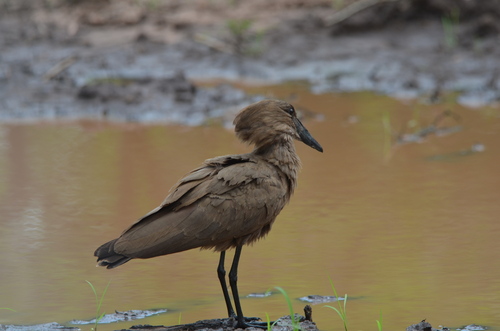 pássaro-martelo
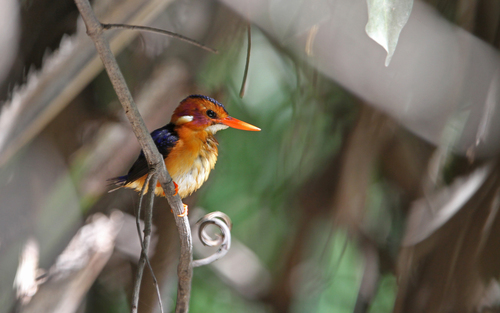 pica-peixinho-pigmeu
Em resumo
A maneira mais confiável de separar o pássaro-martelo do pica-peixinho-pigmeu é pelo tamanho e estrutura geral: o pássaro-martelo é uma ave aquática de tamanho médio, marrom opaco, com uma cabeça distinta em forma de martelo e um bico longo, enquanto o pica-peixinho-pigmeu é uma ave de bosque minúscula e colorida, com um bico curto e reto. Em voo ou empoleirado, a construção robusta do pássaro-martelo, suas asas largas e seu andar desajeitado contrastam fortemente com as proporções compactas e delicadas do martinete e seu voo rápido e direto. As plumagens juvenis não são uma fonte de confusão aqui, pois ambas as espécies se assemelham a adultos, mas as partes superiores azuis do martinete e as partes inferiores ruivas nunca são igualadas pelo pássaro-martelo. O habitat também é uma pista forte: o pássaro-martelo está sempre perto da água, enquanto o pica-peixinho-pigmeu prefere áreas arborizadas longe de wetlands abertas.
Dicas de identificação
- O tamanho é a marca mais decisiva: O pássaro-martelo é mais de quatro vezes o comprimento e muito mais pesado que o pica-peixinho-pigmeu. Mesmo à distância, o martinete parecerá pequeno e delicado, enquanto o pássaro-martelo é robusto e semelhante a uma garça.
- Forma da cabeça e do bico: O pássaro-martelo tem uma cabeça única em forma de martelo com um bico longo, grosso, ligeiramente curvado e uma crista na parte de trás. O pica-peixinho-pigmeu tem uma cabeça pequena e arredondada e um bico curto e reto (laranja em adultos, preto em juvenis).
- Cor da plumagem: O pássaro-martelo é marrom simples com uma fraca iridescência roxa e uma cauda ligeiramente barrada. O pica-peixinho-pigmeu é azul brilhante por cima, ruivo por baixo, com uma coroa azul escura e uma mancha branca na orelha (às vezes com uma mancha azul acima em aves do sul).
- Diferenças juvenis: Os martinetes juvenis têm um bico preto e menos violeta nas coberturas auriculares, mas ainda mostram um forte contraste azul e ruivo. Os juvenis de pássaro-martelo são marrons como os adultos, com um bico marrom que se torna preto ao voar. Não há sobreposição na plumagem em nenhuma idade.
- Pernas e pés: As pernas do pássaro-martelo são longas, pretas e parcialmente palmadas, com penas apenas até a parte superior da tíbia. As pernas do martinete são muito curtas e inconspícuas.
- Estilo de voo: O pássaro-martelo voa com asas largas e arredondadas, às vezes planando com o pescoço esticado ou enrolado. O voo do martinete é rápido, direto e baixo, com batidas rápidas das asas e sem planagem.
- Postura empoleirada: O pássaro-martelo fica ereto, muitas vezes na água, com um andar desajeitado e balançante. O martinete empoleira-se horizontalmente em galhos em florestas, raramente no chão ou na água.
- Contexto de habitat: O pássaro-martelo está sempre perto da água—lagos, rios, lagoas, wetlands. O pica-peixinho-pigmeu é encontrado em áreas arborizadas, bordas de florestas ou arbustos, muitas vezes longe da água.
- Comportamento alimentar: O pássaro-martelo caça andando, sondando a lama ou arrastando os pés na água. O martinete captura insetos saltando de um poleiro, nunca andando.
- Forma da cauda e das asas: O pássaro-martelo tem uma cauda curta e ligeiramente barrada e asas largas; o martinete tem uma cauda curta, mas asas muito mais estreitas e pontudas em relação ao seu tamanho.
- Vocalizações: Os chamados do pássaro-martelo são estridentes, cackling ou rattling, muitas vezes em grupos sociais. O martinete emite um 'tsip-tsip' agudo, semelhante a um inseto, em voo.
- Comportamento social: O pássaro-martelo pode ser visto sozinho ou em pequenos grupos, às vezes emitindo chamados sociais. O martinete é geralmente solitário ou em pares.
- Contexto de confusão: Se você vê uma pequena ave azul e ruiva em uma floresta, nunca é um pássaro-martelo. Se você vê uma ave marrom de tamanho médio andando na água, nunca é um pica-peixinho-pigmeu.
- Sexos semelhantes: Ambas as espécies mostram pouca ou nenhuma dimorfismo sexual; não confie no sexo para separá-los.
- Sem confusão sazonal: Ambas as espécies mantêm sua plumagem básica durante todo o ano; nenhuma muda sazonal ou plumagem de eclipse causa confusão.
Tamanho
O pássaro-martelo é vastamente maior, medindo cerca de 56 cm de altura e pesando cerca de 470 g, em comparação com o pequeno comprimento de 12 cm e peso de 14,6 g do pica-peixinho-pigmeu [wikipedia][wikidata]. A diferença é tão extrema que mesmo à distância ou em pouca luz, o martinete parece do tamanho de um pardal, enquanto o pássaro-martelo é comparável a uma pequena garça ou garcinha. O tamanho do bico também reflete isso: o bico do pássaro-martelo é longo (80–85 mm), grosso e ligeiramente curvado, enquanto o do martinete é curto e reto. Mesmo os filhotes de pássaro-martelo são muito maiores que os martinetes adultos.
Plumagem
Não há padrões de asas ou voo específicos de idade que causem confusão entre esses dois: tanto juvenis quanto adultos são facilmente separados por cor e estrutura. O pássaro-martelo é uniformemente marrom opaco com uma fraca iridescência roxa nas costas e uma cauda ligeiramente barrada, sem cores brilhantes ou contrastantes. Suas pernas são pretas e apenas com penas até a parte superior da tíbia. O pica-peixinho-pigmeu, por outro lado, é strikingly colorido: adultos e juvenis têm partes inferiores ruivas, costas e cauda azuis, e uma coroa azul escura. Os juvenis têm um bico preto (não laranja) e menos violeta nas coberturas auriculares, mas ainda mostram o forte contraste azul/ruivo. Não há estágio em que um martinete apareça todo marrom ou onde um pássaro-martelo mostre plumagem azul ou ruiva.
Comportamento
O comportamento do pássaro-martelo é típico de um wader: ele anda ou se move em águas rasas com um andar desajeitado e rápido, frequentemente sondando a lama ou arrastando os pés para assustar a presa. Ele também pode planar com asas largas e arredondadas e um pescoço esticado ou enrolado, e às vezes se alimenta em voo, pegando a presa da superfície da água. O pica-peixinho-pigmeu se comporta como um pequeno martinete típico: ele se empoleira silenciosamente em florestas e depois faz voos rápidos e diretos para capturar insetos. Não é visto andando ou caminhando na água, e seu voo é rápido e direto, não planando ou deslizando.
Habitat
O pássaro-martelo está sempre associado à água: é encontrado em wetlands, margens de lagos, bancos de rios, estuários e até em tanques de peixes ou costas rochosas [wikipedia]. Nunca é encontrado em florestas secas longe da água. O pica-peixinho-pigmeu, por outro lado, é uma ave de florestas e bordas de florestas, muitas vezes longe da água aberta. Ver uma pequena ave azul e ruiva em uma densa floresta ou arbusto é uma forte indicação de martinete, enquanto qualquer ave marrom de tamanho médio se movendo em águas rasas é quase certamente um pássaro-martelo.
Voz
O pássaro-martelo é geralmente silencioso quando sozinho, mas em grupos emite uma variedade de cackles, rattles e um chamado distintivo de 'yip-purr'. Seu chamado de voo solo é um 'nyip' ou 'kek' estridente. O chamado do pica-peixinho-pigmeu é um 'tsip-tsip' agudo, semelhante a um inseto, geralmente emitido em voo. O chamado do martinete é muito mais alto e delicado, enquanto os do pássaro-martelo são mais ásperos e sociais.
pássaro-martelo · pica-peixinho-pigmeu · Minhas aves difíceis