

gray peacock-pheasant vs galo-bravo-vermelho
Polyplectron bicalcaratum versus Gallus gallus
Jogue um quiz com gray peacock-pheasant e galo-bravo-vermelho
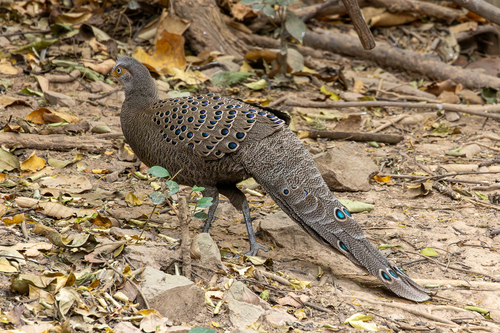 gray peacock-pheasant
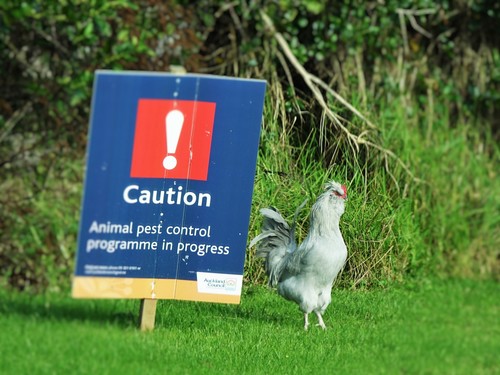 galo-bravo-vermelho
Em resumo
A marca de campo mais confiável para separar o gray peacock-pheasant do galo-bravo-vermelho é a presença de numerosos pontos oculares verdes nas asas e na cauda do peacock-pheasant, que estão ausentes no junglefowl. No campo, o gray peacock-pheasant aparece mais uniformemente cinza-marrom com manchas iridescentes sutis, enquanto os machos do galo-bravo-vermelho exibem plumagem ousada e colorida com penas de cauda longas e arqueadas e uma crista e barbela vermelhas proeminentes. As fêmeas de ambas as espécies são menos chamativas, mas o peacock-pheasant mantém seus pontos oculares distintos e uma crista espessa, ao contrário da galinha junglefowl, que é mais simples e sem brilho. Em voo ou quando assustados, as asas arredondadas e a cauda mais curta do peacock-pheasant contrastam com a cauda mais longa e iridescente do junglefowl e com a aparência mais semelhante à de uma galinha. O habitat e o comportamento também diferem: os peacock-pheasants são mais secretos e frequentemente solitários, enquanto os junglefowl são mais propensos a serem vistos em pequenos bandos.
Dicas de identificação
- Pontos Oculares: Procure por pontos oculares verdes nas asas e na cauda—presentes em todas as idades e sexos do gray peacock-pheasant, ausentes no galo-bravo-vermelho.
- Crista: O gray peacock-pheasant tem uma crista alongada e espessa na cabeça; o junglefowl não possui isso, mostrando em vez disso uma crista (vermelha e carnosa nos machos, muito reduzida nas fêmeas).
- Crista e Barbela: Os machos do galo-bravo-vermelho têm uma crista e barbela vermelhas proeminentes; o peacock-pheasant não possui nenhuma.
- Forma da Cauda: A cauda do peacock-pheasant é mais curta, arredondada e larga com pontos oculares; a cauda do galo-bravo-vermelho é longa, arqueada e iridescente, com penas em forma de foice (até 28 cm).
- Cor da Plumagem: Os machos do junglefowl são coloridos de forma ousada (hackles dourados/vermelhos, cauda iridescente), enquanto o peacock-pheasant é mais uniforme cinza-marrom com iridescência sutil.
- Plumagem de Fêmeas/Juvenis: As galinhas junglefowl e os juvenis são marrons simples e crípticos, sem iridescência ou pontos oculares; as fêmeas e os jovens do peacock-pheasant mantêm os pontos oculares e uma crista espessa.
- Pele Facial: O peacock-pheasant apresenta pele facial nua, rosa ou amarela; o junglefowl tem o rosto coberto de penas, exceto pela crista e barbela.
- Bico e Pernas: Ambas as espécies têm bicos e pernas cinzas, mas os machos do junglefowl têm esporas visíveis nas pernas; o peacock-pheasant não possui esporas pronunciadas.
- Estilo de Voo: O junglefowl voa com um voo forte e direto para ramos baixos ou árvores; o peacock-pheasant prefere correr e, se assustado, voa fraco e brevemente.
- Tamanho do Grupo: O junglefowl é frequentemente visto em pequenos bandos; o peacock-pheasant geralmente é solitário ou em pares.
- Habitat: O peacock-pheasant está quase sempre no interior de florestas densas; o junglefowl tolera habitats mais abertos e perturbados.
- Vocalização: Os machos do junglefowl cantam alto e regularmente; o peacock-pheasant é silencioso e secreto.
- Plumagem Sazonal: Os machos do junglefowl apresentam plumagem de eclipse (costas pretas, penas vermelhas e laranjas espalhadas) no final do verão até o outono, mas ainda carecem de pontos oculares ou crista.
- Comportamento: Os machos do junglefowl podem ser vistos exibindo ou cantando em aberto; o peacock-pheasant raramente exibe abertamente e é muito mais evasivo.
- Jizz: O junglefowl tem uma postura e marcha mais eretas, semelhantes às de uma galinha; o peacock-pheasant é mais baixo em relação ao solo, com um perfil mais arredondado, semelhante ao de um faisão.
Tamanho
O galo-bravo-vermelho é um pouco mais leve em média (massa adulta ~672 g [wikidata]), com machos atingindo até 1,5 kg e fêmeas em torno de 1 kg [wikipedia]. O gray peacock-pheasant é descrito como um faisão grande, com até 76 cm de comprimento, mas não é dada uma massa precisa. Ambas as espécies são semelhantes em comprimento total do corpo (junglefowl até 70 cm), mas o peacock-pheasant parece mais robusto e volumoso, especialmente em comparação com o galo-bravo-vermelho, que é mais esguio e de cauda mais longa. As galinhas junglefowl são mais próximas em tamanho das fêmeas do peacock-pheasant, mas estas últimas ainda são ligeiramente mais pesadas e menos eretas na postura.
Plumagem
- Juvenis e Fêmeas: As fêmeas e jovens de ambas as espécies são menos ornamentadas, mas as fêmeas e imaturos do gray peacock-pheasant ainda mostram pontos oculares verdes nas asas e na cauda, e uma crista espessa. As galinhas do galo-bravo-vermelho e os juvenis são marrons simples e crípticos, sem manchas iridescentes ou crista, e têm uma aparência mais semelhante à de uma galinha.
- Machos Adultos: Os machos do gray peacock-pheasant são marrom acinzentado com pontos oculares verdes finamente manchados, crista espessa e alongada, pele facial nua rosa ou amarela, e garganta branca. Os galos do galo-bravo-vermelho são muito mais brilhantes: penas de hackle douradas ou vermelhas no pescoço, cauda iridescente azul/verde/púrpura com penas longas e arqueadas em forma de foice, e uma grande crista e barbela vermelhas. O peacock-pheasant não possui crista ou barbela vermelhas, e sua cauda é mais curta e arredondada, não arqueada.
- Variação Sazonal: Os machos do galo-bravo-vermelho passam por uma plumagem de eclipse (junho a outubro) onde suas costas ficam pretas com penas vermelhas e laranjas espalhadas, mas ainda carecem de pontos oculares ou uma crista espessa. A plumagem de eclipse das fêmeas não é distinguível de seu marrom simples habitual. O gray peacock-pheasant não tem uma muda sazonal descrita que afete as marcas de campo.
Comportamento
O gray peacock-pheasant é tipicamente solitário ou em pares, movendo-se silenciosamente através da densa vegetação e raramente visto em aberto. Eles são tímidos e secretos, frequentemente detectados por seu movimento ou breves vislumbres de seus pontos oculares. O galo-bravo-vermelho é mais propenso a ser encontrado em pequenos bandos (um ou alguns machos com várias fêmeas), forrageando abertamente nas bordas da floresta ou clareiras. Os junglefowl são mais propensos a voar em um voo curto e direto quando perturbados, enquanto os peacock-pheasants preferem correr ou se afastar para se esconder. Os machos do junglefowl são territoriais e podem ser vistos cantando de um poleiro ou do chão aberto, um comportamento que não é exibido pelos peacock-pheasants.
Habitat
Ambas as espécies ocorrem em habitats florestais do Sudeste Asiático, mas o gray peacock-pheasant está mais estritamente ligado a interiores de florestas densas e intocadas, especialmente em áreas de planície e encosta. O galo-bravo-vermelho é mais adaptável, encontrado em uma gama mais ampla de habitats, incluindo crescimento secundário, bordas de florestas, plantações e até mesmo perto de vilarejos. Os junglefowl são mais propensos a serem vistos em áreas abertas ou semi-abertas, enquanto os peacock-pheasants são raramente vistos fora de coberturas densas.
Voz
Os machos do galo-bravo-vermelho são famosos por seu canto alto e que se espalha longe (“cock-a-doodle-doo”), que é usado para anunciar território e atrair parceiras. Este chamado é diagnóstico e não é emitido pelos peacock-pheasants. O gray peacock-pheasant é geralmente silencioso, sem vocalizações altas ou distintivas descritas nas fontes fornecidas.
gray peacock-pheasant · galo-bravo-vermelho · Minhas aves difíceis