

Motmot

コクジャク 対 セキショクヤケイ

Polyplectron bicalcaratum 対 Gallus gallus

コクジャクとセキショクヤケイのクイズ
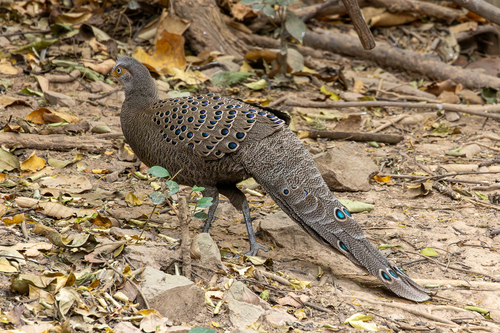
コクジャク (Polyplectron bicalcaratum) コクジャク
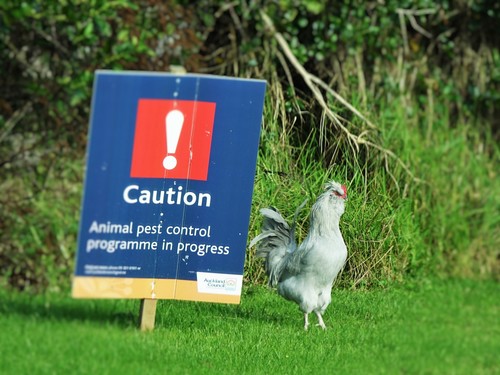
セキショクヤケイ (Gallus gallus) セキショクヤケイ

メディア

読み込み中…

要点

コクジャクとセキショクヤケイを区別する最も信頼できるフィールドマークは、コクジャクの翼と尾に多数存在する緑のアイスポットであり、セキショクヤケイには存在しません。フィールドでは、コクジャクはより均一な灰褐色に微妙な虹色の斑点が見られ、セキショクヤケイのオスは長く弓なりの尾羽と目立つ赤い冠と肉垂を持つ大胆でカラフルな羽毛を示します。両種のメスは目立たないですが、コクジャクは独特のアイスポットとふさふさした冠を保持しており、地味なセキショクヤケイの雌とは異なります。飛行中や驚かされたとき、コクジャクの丸い翼と短い尾は、セキショクヤケイの長く虹色の尾とより鶏のような姿勢と対照的です。生息地と行動も異なります:コクジャクはより秘密主義でしばしば孤独であるのに対し、セキショクヤケイは小さな群れで見られる可能性が高いです。

識別のコツ

  1. Eyespots: 翼と尾に緑のアイスポットを探してください—コクジャクのすべての年齢と性別に存在し、セキショクヤケイにはありません。
  2. Crest: コクジャクは頭に長くふさふさした冠を持っています;セキショクヤケイはこれを欠き、代わりに冠(オスは赤く肉質、メスは大幅に縮小)を示します。
  3. Comb and Wattle: セキショクヤケイのオスは目立つ赤い冠と肉垂を持っています;コクジャクは両方とも欠いています。
  4. Tail Shape: コクジャクの尾は短く、丸く、広くアイスポットがあります;セキショクヤケイのオスの尾は長く、弓なりで虹色で、鎌形の羽(最大28 cm)があります。
  5. Plumage Color: セキショクヤケイのオスは大胆な色合い(黄金色/赤色の襟羽、虹色の尾)を持っているのに対し、コクジャクはより均一な灰褐色で微妙な虹色があります。
  6. Female/Juvenile Plumage: セキショクヤケイの雌と幼鳥は地味で、暗い茶色で虹色やアイスポットはありません;コクジャクの雌と若鳥はアイスポットとふさふさした冠を保持しています。
  7. Facial Skin: コクジャクは裸のピンクまたは黄色の顔の皮膚を示します;セキショクヤケイは冠と肉垂を除いて羽毛で覆われています。
  8. Bill and Legs: 両種は灰色のくちばしと脚を持っていますが、セキショクヤケイのオスは脚に目に見えるスパーがあります;コクジャクには目立つスパーはありません。
  9. Flight Style: セキショクヤケイは強く、直接的な飛行で低い枝や木に逃げます;コクジャクは走ることを好み、驚かされた場合は弱く短時間飛びます。
  10. Group Size: セキショクヤケイは小さな群れで見られることが多い;コクジャクは通常孤独またはペアでいます。
  11. Habitat: コクジャクはほぼ常に密な森林の内部にいます;セキショクヤケイはより開けた、乱れた生息地を許容します。
  12. Vocalization: セキショクヤケイのオスは大きく定期的に鳴きます;コクジャクは静かで秘密主義です。
  13. Seasonal Plumage: セキショクヤケイのオスは晩夏から秋にかけて日食羽毛(黒い背中、散在する赤橙色の羽)を示しますが、依然としてアイスポットや冠は欠いています。
  14. Behavior: セキショクヤケイのオスは開けた場所でディスプレイや鳴くのが見られることがあります;コクジャクはめったに公然とディスプレイせず、はるかに elusive です。
  15. Jizz: セキショクヤケイはより直立した鶏のような姿勢と歩き方を持っています;コクジャクは地面に近く、より丸みを帯びた、キジのようなプロファイルです。

大きさ

セキショクヤケイは平均してやや軽い(成鳥の質量約672 g [wikidata])、オスは最大1.5 kg、メスは約1 kgに達します [wikipedia]。コクジャクは大きなキジとして記述され、最大76 cmの長さですが、正確な質量は示されていません。両種は全体的な体長が似ています(セキショクヤケイは最大70 cm)、しかしコクジャクはよりがっしりとしており、特にスリムで長い尾を持つセキショクヤケイのオスと比較して頑丈に見えます。セキショクヤケイの雌はコクジャクの雌にサイズが近いですが、後者は依然としてわずかに体重が重く、姿勢が直立していません。

羽色

行動

コクジャクは通常孤独またはペアで、密な下草の中を静かに移動し、めったに開けた場所で見られません。彼らは内気で秘密主義であり、しばしば動きやアイスポットの短い瞬間で検出されます。セキショクヤケイは小さな群れ(1羽または数羽のオスと数羽のメス)で見つかる可能性が高く、森林の端や開けた場所で公然と餌を探します。セキショクヤケイは驚かされたときに短く直接的な飛行で逃げる可能性が高いですが、コクジャクは走ったり、隠れたりすることを好みます。セキショクヤケイのオスはテリトリーを持ち、止まり木や開けた地面から鳴いているのが見られることがありますが、コクジャクにはそのような行動は見られません。

生息環境

両種は東南アジアの森林生息地に生息していますが、コクジャクは密で手つかずの森林の内部により厳密に結びついており、特に低地や丘陵地帯で見られます。セキショクヤケイはより適応性があり、二次成長、森林の端、プランテーション、さらには村の近くなど、より広範な生息地で見られます。セキショクヤケイは開けたまたは半開けた場所で見られる可能性が高いですが、コクジャクは厚いカバーの外で見られることはめったにありません。

声

セキショクヤケイのオスはその大きく遠くまで響く鳴き声(「コッコー」と鳴く)で有名で、これはテリトリーを宣伝し、メイトを引き寄せるために使用されます。この鳴き声は診断的であり、コクジャクはこれを発しません。コクジャクは一般的に静かで、提供された情報源には大きなまたは特徴的な鳴き声は記述されていません。

より良い説明を送る

比較と同じ項目を使ってください。文章はすぐに公開されます。

The most reliable field mark for separating Grey Peacock-Pheasant from Red Junglefowl is the presence of numerous green eyespots on the wings and tail of the peacock-pheasant, which are absent in junglefowl. In the field, Grey Peacock-Pheasant appears more uniformly grey-brown with subtle iridescent spotting, while Red Junglefowl males show bold, colorful plumage with long, arching tail feathers and a prominent red comb and wattle. Females of both species are less showy, but the peacock-pheasant retains its distinctive eyespots and bushy crest, unlike the plainer, drab junglefowl hen. In flight or when flushed, the peacock-pheasant’s rounded wings and shorter tail contrast with the junglefowl’s longer, iridescent tail and more chicken-like jizz. Habitat and behavior also differ: peacock-pheasants are more secretive and often solitary, while junglefowl are more likely to be seen in small flocks.

  1. Eyespots: Look for green eyespots on the wings and tail—present in all ages and sexes of Grey Peacock-Pheasant, absent in Red Junglefowl.
  2. Crest: Grey Peacock-Pheasant has an elongated, bushy crest on the head; junglefowl lacks this, instead showing a comb (red and fleshy in males, much reduced in females).
  3. Comb and Wattle: Red Junglefowl males have a prominent red comb and wattle; peacock-pheasant lacks both.
  4. Tail Shape: Peacock-pheasant’s tail is shorter, rounded, and broad with eyespots; junglefowl rooster’s tail is long, arched, and iridescent, with sickle-shaped feathers (up to 28 cm).
  5. Plumage Color: Male junglefowl are boldly colored (golden/red hackles, iridescent tail), while peacock-pheasant is more uniform grey-brown with subtle iridescence.
  6. Female/Juvenile Plumage: Junglefowl hens and juveniles are plain, cryptic brown with no iridescence or eyespots; peacock-pheasant females and young retain eyespots and a bushy crest.
  7. Facial Skin: Peacock-pheasant shows bare pink or yellow facial skin; junglefowl has feathered face except for the comb and wattle.
  8. Bill and Legs: Both species have grey bills and legs, but junglefowl males have visible spurs on the legs; peacock-pheasant does not have pronounced spurs.
  9. Flight Style: Junglefowl flushes with a strong, direct flight to low branches or trees; peacock-pheasant prefers to run, and if flushed, flies weakly and briefly.
  10. Group Size: Junglefowl often seen in small flocks; peacock-pheasant usually solitary or in pairs.
  11. Habitat: Peacock-pheasant is almost always in dense forest interior; junglefowl tolerates more open and disturbed habitats.
  12. Vocalization: Junglefowl males crow loudly and regularly; peacock-pheasant is quiet and secretive.
  13. Seasonal Plumage: Junglefowl males show eclipse plumage (black back, scattered red-orange plumes) in late summer–fall, but still lack eyespots or crest.
  14. Behavior: Junglefowl males may be seen displaying or crowing in the open; peacock-pheasant rarely displays openly and is much more elusive.
  15. Jizz: Junglefowl has a more upright, chicken-like stance and gait; peacock-pheasant is lower to the ground, with a more rounded, pheasant-like profile.

Red Junglefowl is somewhat lighter on average (adult mass ~672 g [wikidata]), with males reaching up to 1.5 kg and females around 1 kg [wikipedia]. Grey Peacock-Pheasant is described as a large pheasant, up to 76 cm in length, but no precise mass is given. Both species are similar in overall body length (junglefowl up to 70 cm), but the peacock-pheasant appears bulkier and more robust, especially compared to the sleeker, longer-tailed junglefowl rooster. Junglefowl hens are closer in size to female peacock-pheasants, but the latter are still slightly heavier-bodied and less upright in stance.

  • Juveniles and Females: Both species’ females and young are less ornamented, but Grey Peacock-Pheasant females and immatures still show green eyespots on the wings and tail, and a bushy crest. Red Junglefowl hens and juveniles are plain, cryptic brown with no iridescent spots or crest, and have a more chicken-like appearance.
  • Adult Males: Grey Peacock-Pheasant males are greyish brown with finely spotted green eyespots, elongated bushy crest, bare pink or yellow facial skin, and white throat. Red Junglefowl roosters are much brighter: golden or red hackle feathers on the neck, iridescent blue/green/purple tail with long, arching sickle feathers, and a large red comb and wattle. The peacock-pheasant lacks any red comb or wattle, and its tail is shorter and rounded, not arched.
  • Seasonal Variation: Red Junglefowl males undergo an eclipse plumage (June–October) where their back turns black with scattered red-orange plumes, but still lack eyespots or a bushy crest. Female eclipse plumage is not distinguishable from their usual drab brown. Grey Peacock-Pheasant does not have a described seasonal molt affecting field marks.

Grey Peacock-Pheasant is typically solitary or in pairs, moving quietly through dense undergrowth and rarely seen in the open. They are shy and secretive, often detected by their movement or brief glimpses of their eyespots. Red Junglefowl are more likely to be found in small flocks (one or a few males with several females), foraging openly at forest edges or clearings. Junglefowl are more likely to flush into short, direct flight when disturbed, while peacock-pheasants prefer to run or slip away into cover. Junglefowl males are territorial and may be seen crowing from a perch or open ground, a behavior not shown by peacock-pheasants.

Both species occur in forested habitats of Southeast Asia, but Grey Peacock-Pheasant is more strictly tied to dense, undisturbed forest interiors, especially in lowland and foothill areas. Red Junglefowl is more adaptable, found in a wider range of habitats including secondary growth, forest edges, plantations, and even near villages. Junglefowl are more likely to be seen in open or semi-open areas, while peacock-pheasants are rarely seen outside thick cover.

Red Junglefowl males are famous for their loud, far-carrying crow (“cock-a-doodle-doo”), which is used to advertise territory and attract mates. This call is diagnostic and not given by peacock-pheasants. Grey Peacock-Pheasant is generally quiet, with no described loud or distinctive vocalizations in the sources provided.

変更を破棄しますか?

保存していない編集があります。今離れると失われます。

コクジャク · セキショクヤケイ · 苦手な鳥