

Gray Peacock-Pheasant vs Gallo bankiva
Polyplectron bicalcaratum contro Gallus gallus
Fai un quiz con Gray Peacock-Pheasant e Gallo bankiva
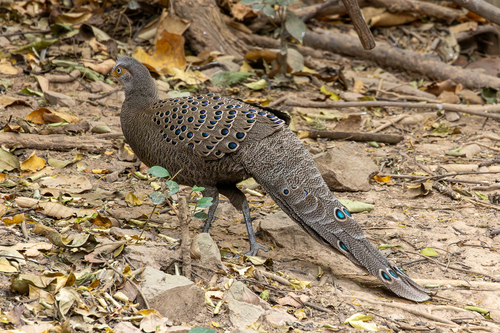 Gray Peacock-Pheasant
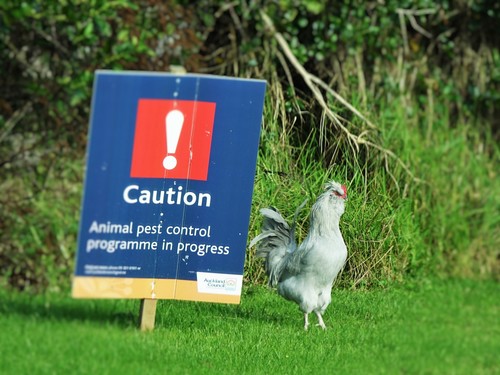 Gallo bankiva
In breve
Il segno distintivo più affidabile per separare il Gray Peacock-Pheasant dal Gallo bankiva è la presenza di numerosi occhi verdi sulle ali e sulla coda del pavone-fagiano, assenti nel gallo bankiva. Sul campo, il Gray Peacock-Pheasant appare più uniformemente grigio-marrone con macchie iridescenti sottili, mentre i maschi del Gallo bankiva mostrano un piumaggio audace e colorato con lunghe piume della coda arcuate e un prominente cresta e bargigli rossi. Le femmine di entrambe le specie sono meno appariscenti, ma il pavone-fagiano mantiene i suoi distintivi occhi e una cresta folta, a differenza della gallina del gallo bankiva, più semplice e opaca. In volo o quando disturbato, le ali arrotondate e la coda più corta del pavone-fagiano contrastano con la coda più lunga e iridescente del gallo bankiva e il suo aspetto più simile a quello di un pollo. L'habitat e il comportamento differiscono anche: i pavone-fagiani sono più riservati e spesso solitari, mentre i galli bankiva sono più facilmente osservabili in piccoli gruppi.
Consigli di identificazione
- Eyespots: Cerca occhi verdi sulle ali e sulla coda—presenti in tutte le età e sessi del Gray Peacock-Pheasant, assenti nel Gallo bankiva.
- Crest: Il Gray Peacock-Pheasant ha una cresta allungata e folta sulla testa; il gallo bankiva non ha questo, mostrando invece una cresta (rossa e carnosa nei maschi, molto ridotta nelle femmine).
- Comb and Wattle: I maschi del Gallo bankiva hanno una prominente cresta e bargigli rossi; il pavone-fagiano non ha nessuno dei due.
- Tail Shape: La coda del pavone-fagiano è più corta, arrotondata e larga con occhi; la coda del gallo bankiva è lunga, arcuata e iridescente, con piume a forma di falce (fino a 28 cm).
- Plumage Color: I maschi del gallo bankiva sono colorati in modo audace (piume dorate/rosse sul collo, coda iridescente), mentre il pavone-fagiano è di un grigio-marrone più uniforme con iridescenza sottile.
- Female/Juvenile Plumage: Le galline e i giovani del gallo bankiva sono di un marrone semplice e criptico senza iridescenza o occhi; le femmine e i giovani del pavone-fagiano mantengono occhi e una cresta folta.
- Facial Skin: Il pavone-fagiano mostra pelle facciale nuda di colore rosa o giallo; il gallo bankiva ha il viso piumato tranne che per la cresta e i bargigli.
- Bill and Legs: Entrambe le specie hanno becchi e zampe grigie, ma i maschi del gallo bankiva hanno speroni visibili sulle zampe; il pavone-fagiano non ha speroni pronunciati.
- Flight Style: Il gallo bankiva si alza in volo con un volo forte e diretto verso rami o alberi bassi; il pavone-fagiano preferisce correre e, se disturbato, vola debolmente e brevemente.
- Group Size: Il gallo bankiva è spesso visto in piccoli gruppi; il pavone-fagiano è solitamente solitario o in coppie.
- Habitat: Il pavone-fagiano si trova quasi sempre nell'interno di foreste dense; il gallo bankiva tollera habitat più aperti e disturbati.
- Vocalization: I maschi del gallo bankiva cantano forte e regolarmente; il pavone-fagiano è silenzioso e riservato.
- Seasonal Plumage: I maschi del gallo bankiva mostrano piumaggio di eclissi (schiena nera, piume rosso-arancio sparse) in tardo estate-autunno, ma mancano ancora di occhi o cresta.
- Behavior: I maschi del gallo bankiva possono essere visti esibirsi o cantare in aperto; il pavone-fagiano raramente si esibisce apertamente ed è molto più elusivo.
- Jizz: Il gallo bankiva ha una postura e un passo più eretti e simili a quelli di un pollo; il pavone-fagiano è più vicino al suolo, con un profilo più arrotondato e simile a quello di un fagiano.
Taglia
Il Gallo bankiva è leggermente più leggero in media (massa adulta ~672 g [wikidata]), con maschi che raggiungono fino a 1,5 kg e femmine intorno a 1 kg [wikipedia]. Il Gray Peacock-Pheasant è descritto come un grande fagiano, fino a 76 cm di lunghezza, ma non viene fornita una massa precisa. Entrambe le specie sono simili in lunghezza corporea complessiva (gallo bankiva fino a 70 cm), ma il pavone-fagiano appare più robusto e massiccio, specialmente rispetto al gallo bankiva, più snello e con la coda più lunga. Le galline del gallo bankiva sono più vicine in dimensioni alle femmine del pavone-fagiano, ma queste ultime sono comunque leggermente più pesanti e meno erette nella postura.
Piumaggio
- Juveniles and Females: Le femmine e i giovani di entrambe le specie sono meno ornamentati, ma le femmine e gli immaturi del Gray Peacock-Pheasant mostrano ancora occhi verdi sulle ali e sulla coda, e una cresta folta. Le galline e i giovani del Gallo bankiva sono di un marrone semplice e criptico senza macchie iridescenti o cresta, e hanno un aspetto più simile a quello di un pollo.
- Adult Males: I maschi del Gray Peacock-Pheasant sono marrone grigiastro con occhi verdi finemente macchiati, una cresta folta allungata, pelle facciale nuda di colore rosa o giallo e gola bianca. I galli bankiva sono molto più luminosi: piume dorate o rosse sul collo, coda iridescente blu/verde/viola con lunghe piume a falce arcuate, e una grande cresta e bargigli rossi. Il pavone-fagiano non ha alcuna cresta o bargigli rossi, e la sua coda è più corta e arrotondata, non arcuata.
- Seasonal Variation: I maschi del Gallo bankiva subiscono un piumaggio di eclissi (giugno-ottobre) in cui la loro schiena diventa nera con piume rosso-arancio sparse, ma mancano ancora di occhi o cresta folta. Il piumaggio di eclissi femminile non è distinguibile dal loro solito marrone opaco. Il Gray Peacock-Pheasant non ha una muta stagionale descritta che influisca sui segni distintivi sul campo.
Comportamento
Il Gray Peacock-Pheasant è tipicamente solitario o in coppie, muovendosi silenziosamente attraverso la fitta vegetazione e raramente visto in aperto. Sono timidi e riservati, spesso rilevati dal loro movimento o brevi scorci dei loro occhi. I Galli bankiva sono più facilmente trovati in piccoli gruppi (uno o pochi maschi con diverse femmine), foraggiando apertamente ai margini delle foreste o nelle radure. I galli bankiva sono più propensi a decollare in un volo diretto e breve quando disturbati, mentre i pavone-fagiani preferiscono correre o scivolare via nel riparo. I maschi del gallo bankiva sono territoriali e possono essere visti cantare da un posatoio o da terreno aperto, un comportamento non mostrato dai pavone-fagiani.
Habitat
Entrambe le specie si trovano in habitat forestali del Sud-est asiatico, ma il Gray Peacock-Pheasant è più strettamente legato a interni forestali densi e indisturbati, specialmente in aree di pianura e di collina. Il Gallo bankiva è più adattabile, trovato in una gamma più ampia di habitat, inclusi la crescita secondaria, i margini forestali, le piantagioni e persino vicino ai villaggi. I galli bankiva sono più facilmente osservabili in aree aperte o semiaperte, mentre i pavone-fagiani sono raramente visti al di fuori di coperture spesse.
Voce
I maschi del Gallo bankiva sono famosi per il loro forte e lontano canto (“cock-a-doodle-doo”), usato per pubblicizzare il territorio e attrarre compagni. Questo richiamo è diagnostico e non è emesso dai pavone-fagiani. Il Gray Peacock-Pheasant è generalmente silenzioso, senza vocalizzazioni forti o distintive descritte nelle fonti fornite.
Gray Peacock-Pheasant · Gallo bankiva · I miei uccelli difficili