

gould's frogmouth vs greater necklaced laughingthrush
Batrachostomus stellatus versus Pterorhinus pectoralis
Jogue um quiz com gould's frogmouth e greater necklaced laughingthrush
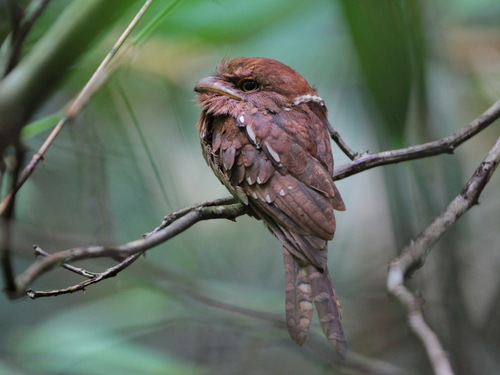 gould's frogmouth
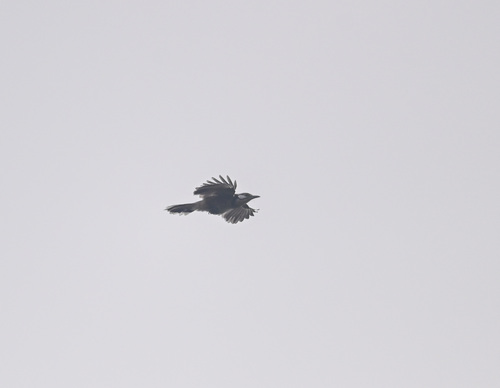 greater necklaced laughingthrush
Em resumo
A separação mais confiável entre gould's frogmouth e greater necklaced laughingthrush é sua estrutura e postura geral: o frogmouth é um pássaro noturno, atarracado, com um bico largo e plano e plumagem marrom críptica, enquanto o laughingthrush é um passeriforme mais ereto e ativo, com um bico mais fino e um padrão de pescoço preto e branco marcante. O gould's frogmouth apresenta duas morfologias de cor (clara e escura), ambas com um colar branco e manchas brancas espalhadas nas coberturas das asas, e os sexos são semelhantes, exceto por sutis diferenças na cor da íris e das pernas. Em contraste, o greater necklaced laughingthrush é audaciosamente padronizado com um colar preto e garganta branca, e é muito mais social e conspícuo durante o dia. Padrões de asas ou voo específicos de juvenis não são descritos para nenhuma das espécies, portanto, concentre-se na estrutura geral, postura e detalhes da plumagem ao separar essas duas.
Dicas de identificação
- Postura e Estrutura: O gould's frogmouth empoleira-se horizontalmente, parecendo atarracado e com cabeça plana, com um bico largo; o greater necklaced laughingthrush é ereto, de corpo longo, e tem um bico típico de pássaro canoro. Esta é uma diferença estrutural chave visível mesmo à distância.
- Padrão da Plumagem: Os frogmouths são marrons crípticos com um colar branco e manchas brancas espalhadas nas coberturas das asas; os laughingthrushes são audaciosamente padronizados com um colar preto, garganta branca e marcas faciais fortes. O colar nunca está presente no frogmouth.
- Morfologias de Cor: O gould's frogmouth apresenta morfologias clara e escura, mas ambas são predominantemente marrons e carecem do forte contraste do laughingthrush.
- Diferenças Sexuais: Nos frogmouths, machos e fêmeas são semelhantes, mas as fêmeas são de um marrom avermelhado mais escuro, com íris marrons e pernas amareladas; os machos têm íris amarelas e pernas rosadas. Essas sutis diferenças não estão presentes no laughingthrush, que não é descrito como dimórfico sexualmente nas notas.
- Formato do Bico: O bico do frogmouth é largo, plano e amplo—adaptado para capturar insetos à noite. O laughingthrush tem um bico esguio e pontudo, típico de um pássaro canoro.
- Comportamento: Os frogmouths são noturnos e ficam imóveis durante o dia, muitas vezes se assemelhando a um galho quebrado. Os laughingthrushes são diurnos, ativos e frequentemente se movem em bandos barulhentos.
- Uso do Habitat: Os frogmouths raramente são vistos, exceto à noite ou quando são forçados a sair de coberturas densas; os laughingthrushes são comumente vistos durante o dia nas bordas das florestas e em matagais.
- Cor das Pernas e Íris (apenas Frogmouth): Se vistos bem, as fêmeas de frogmouth têm pernas amareladas e íris marrons; os machos têm pernas rosadas e íris amarelas. Esta não é uma característica do laughingthrush.
- Marcas na Parte Inferior: Os frogmouths têm manchas ovais e esbranquiçadas na parte inferior; os laughingthrushes têm uma garganta branca limpa e um colar preto, sem tais manchas.
- Sociabilidade: Os frogmouths são solitários ou em pares; os laughingthrushes são altamente sociais e frequentemente estão em grupos.
- Voo: Nenhum padrão de asas ou voo específico para idade é descrito para nenhuma das espécies, portanto, confie na estrutura e na plumagem.
- Voz: Não descrita nas notas, mas na prática, os laughingthrushes são muito vocais e os frogmouths geralmente são silenciosos ou emitem chamados baixos e guturais à noite.
- Impressão de Tamanho: Os laughingthrushes parecem maiores e mais robustos em campo do que o compacto frogmouth.
- Contexto: Se visto à noite, especialmente sentado imóvel, suspeite do frogmouth; se visto durante o dia, ativo e barulhento, suspeite do laughingthrush.
- Possível Armadilha: Em luz fraca ou com uma visão breve, o colar branco do frogmouth pode ser confundido com o colar do laughingthrush, mas o restante da plumagem e estrutura diferirá marcadamente.
Tamanho
O gould's frogmouth é um pássaro de tamanho médio, medindo 21–25 cm de comprimento e pesando 47–48,5 g [wikipedia]. O greater necklaced laughingthrush é geralmente maior e mais robusto, embora medidas exatas não sejam fornecidas nas notas. Em campo, o laughingthrush parecerá ter um corpo mais longo e mais robusto, especialmente quando visto em grupos ou se movendo através da folhagem. O frogmouth, por outro lado, tem uma aparência compacta e atarracada quando empoleirado.
Plumagem
Nenhum padrão de asas ou voo específico para idade é descrito para nenhuma das espécies, portanto, a separação depende das diferenças gerais de plumagem e estrutura. O gould's frogmouth aparece em duas morfologias (clara e escura), ambas predominantemente marrons com um colar branco e manchas brancas espalhadas nas coberturas das asas. As partes inferiores mostram manchas ovais e esbranquiçadas. Machos e fêmeas são semelhantes, mas as fêmeas são de um marrom avermelhado mais escuro, com íris marrons e pernas amareladas, enquanto os machos têm íris amarelas e pernas rosadas. O greater necklaced laughingthrush é muito mais audaciosamente marcado, com um colar preto e branco distinto na garganta, um patch de garganta branca e uma aparência geralmente mais contrastante e padronizada. O laughingthrush carece da plumagem críptica e manchada do frogmouth e, em vez disso, apresenta marcas faciais e de pescoço fortes.
Comportamento
O gould's frogmouth é estritamente noturno e tipicamente fica imóvel em galhos, dependendo da camuflagem. É raramente visto em comportamento ativo durante o dia. O greater necklaced laughingthrush é diurno, altamente social e frequentemente se move em grupos barulhentos, forrageando ativamente nos níveis inferiores e intermediários das florestas. Seu comportamento é conspícuo e energético, em forte contraste com os hábitos secretos e sedentários do frogmouth.
Habitat
O gould's frogmouth não é descrito em detalhes para habitat nas notas fornecidas, mas como um frogmouth, geralmente está associado a florestas densas e úmidas, onde pode descansar e caçar insetos à noite. O greater necklaced laughingthrush habita florestas tropicais ou subtropicais úmidas de planície e montanha em uma ampla faixa no Sul e Sudeste da Ásia, e foi introduzido no Havai. Em campo, o laughingthrush é muito mais provável de ser encontrado durante o dia nas bordas das florestas, matagais ou em crescimento secundário, enquanto o frogmouth quase nunca é visto, exceto à noite ou quando forçado a sair de um local de descanso diurno.
gould's frogmouth · greater necklaced laughingthrush · Minhas aves difíceis