

Podargo Estrellado vs Charlatán Acollarado Grande
Batrachostomus stellatus frente a Pterorhinus pectoralis
Juega un quiz con Podargo Estrellado y Charlatán Acollarado Grande
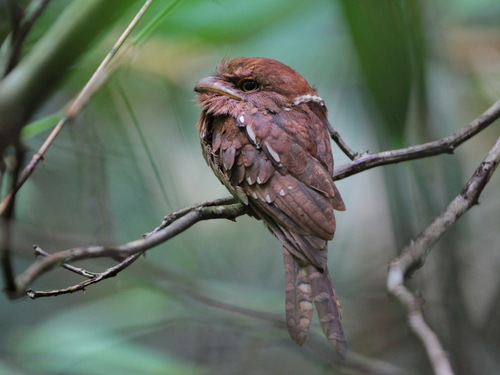 Podargo Estrellado
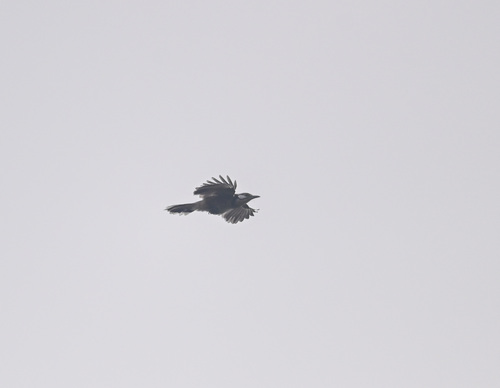 Charlatán Acollarado Grande
En breve
La separación más confiable entre el Podargo Estrellado y el Charlatán Acollarado Grande es su estructura y postura general: el podargo es un ave nocturna y compacta con un pico ancho y plano y plumaje marrón críptico, mientras que el charlatán es un paseriforme más erguido y activo con un pico más delgado y un llamativo patrón de cuello en blanco y negro. El Podargo Estrellado muestra dos morfos de color (claro y oscuro), ambos con un collar blanco y manchas blancas dispersas en las cobertoras de las alas, y los sexos son similares excepto por sutiles diferencias en el color del iris y las patas. En contraste, el Charlatán Acollarado Grande tiene un patrón audaz con un collar negro y una garganta blanca, y es mucho más social y conspicuo durante el día. No se describen patrones de alas o vuelo específicos para juveniles en ninguna de las especies, por lo que se debe centrar en la estructura general, la postura y los detalles del plumaje al separar estas dos.
Consejos de identificación
- Postura y Estructura: El Podargo Estrellado se posa horizontalmente, apareciendo compacto y con cabeza plana con un pico ancho; el Charlatán Acollarado Grande es erguido, de cuerpo largo y tiene un pico típico de ave cantora. Esta es una diferencia estructural clave visible incluso a distancia.
- Patrón de Plumaje: Los podargos son de color marrón críptico con un collar blanco y manchas blancas dispersas en las cobertoras de las alas; los charlatanes tienen un patrón audaz con un collar negro, garganta blanca y fuertes marcas faciales. El collar nunca está presente en el podargo.
- Morfos de Color: El Podargo Estrellado viene en morfos claros y oscuros, pero ambos son predominantemente marrones y carecen del fuerte contraste del charlatán.
- Diferencias de Sexo: En los podargos, machos y hembras son similares, pero las hembras son de un marrón rojizo más oscuro con iris marrones y patas amarillentas; los machos tienen iris amarillos y patas rosadas. Estas sutiles diferencias no están presentes en el charlatán, que no se describe como dimórfico sexual en las notas.
- Forma del Pico: El pico del podargo es ancho, plano y amplio, adaptado para atrapar insectos por la noche. El charlatán tiene un pico delgado y puntiagudo típico de un ave cantora.
- Comportamiento: Los podargos son nocturnos y permanecen inmóviles durante el día, a menudo pareciendo una rama rota. Los charlatanes son diurnos, activos y a menudo se mueven en bandadas ruidosas.
- Uso del Hábitat: Los podargos rara vez se ven excepto por la noche o cuando son sorprendidos de un refugio denso; los charlatanes se ven comúnmente durante el día en bordes de bosques y matorrales.
- Color de las Patas e Iris (solo Podargo): Si se ven bien, las hembras de podargo tienen patas amarillentas y iris marrones; los machos tienen patas rosadas y iris amarillos. Esta no es una característica del charlatán.
- Marcas en la Parte Inferior: Los podargos tienen manchas ovaladas y blanquecinas en la parte inferior; los charlatanes tienen una garganta blanca limpia y un collar negro, sin tales manchas.
- Socialidad: Los podargos son solitarios o en parejas; los charlatanes son muy sociales y a menudo se encuentran en grupos.
- Vuelo: No se describen patrones de alas o vuelo específicos por edad para ninguna de las especies, por lo que se debe confiar en la estructura y el plumaje.
- Voz: No se describe en las notas, pero en la práctica, los charlatanes son muy vocales y los podargos son generalmente silenciosos o emiten llamados guturales bajos por la noche.
- Impresión de Tamaño: Los charlatanes parecen más grandes y robustos en el campo que el compacto podargo.
- Contexto: Si se ve por la noche, especialmente sentado inmóvil, sospechar de un podargo; si se ve durante el día, activo y ruidoso, sospechar de un charlatán.
- Posible Trampa: En luz pobre o con una vista breve, el collar blanco del podargo podría confundirse con el collar del charlatán, pero el resto del plumaje y la estructura diferirán marcadamente.
Tamaño
El Podargo Estrellado es un ave de tamaño mediano, midiendo 21–25 cm de longitud y pesando 47–48.5 g [wikipedia]. El Charlatán Acollarado Grande es generalmente más grande y robusto, aunque no se proporcionan medidas exactas en las notas. En el campo, el charlatán parecerá tener un cuerpo más largo y ser más robusto, especialmente cuando se ve en grupos o moviéndose a través del follaje. El podargo, en contraste, tiene una apariencia compacta y achatada cuando está posado.
Plumaje
No se describen patrones de alas o vuelo específicos por edad para ninguna de las especies, por lo que la separación se basa en las diferencias generales de plumaje y estructura. El Podargo Estrellado aparece en dos morfos (claro y oscuro), ambos predominantemente marrones con un collar blanco y manchas blancas dispersas en las cobertoras de las alas. Las partes inferiores muestran manchas ovaladas y blanquecinas. Machos y hembras son similares, pero las hembras son de un marrón rojizo más oscuro con iris marrones y patas amarillentas, mientras que los machos tienen iris amarillos y patas rosadas. El Charlatán Acollarado Grande está mucho más audazmente marcado, con un distintivo collar negro y blanco a través de la garganta, un parche de garganta blanca y una apariencia generalmente más contrastante y con patrón. El charlatán carece del plumaje marrón críptico y moteado del podargo y en su lugar muestra fuertes marcas faciales y de cuello.
Comportamiento
El Podargo Estrellado es estrictamente nocturno y típicamente se sienta inmóvil en las ramas, confiando en el camuflaje. Rara vez se ve en comportamiento activo durante el día. El Charlatán Acollarado Grande es diurno, muy social y a menudo se mueve en grupos ruidosos, forrajeando activamente en los niveles inferiores y medios de los bosques. Su comportamiento es conspicuo y enérgico, en marcado contraste con los hábitos secretos y sedentarios del podargo.
Hábitat
El Podargo Estrellado no se describe en detalle para el hábitat en las notas proporcionadas, pero como un podargo, se asocia típicamente con bosques densos y húmedos donde puede posarse y cazar insectos por la noche. El Charlatán Acollarado Grande habita bosques húmedos de tierras bajas y montañas subtropicales o tropicales a lo largo de un amplio rango en el sur y sureste de Asia, y ha sido introducido en Hawái. En el campo, es mucho más probable encontrar al charlatán durante el día en bordes de bosques, matorrales o crecimiento secundario, mientras que el podargo casi nunca se ve excepto por la noche o cuando es sorprendido de un refugio diurno.
Podargo Estrellado · Charlatán Acollarado Grande · Mis aves difíciles