

Gould's Frogmouth vs Greater Necklaced Laughingthrush
Batrachostomus stellatus contro Pterorhinus pectoralis
Fai un quiz con Gould's Frogmouth e Greater Necklaced Laughingthrush
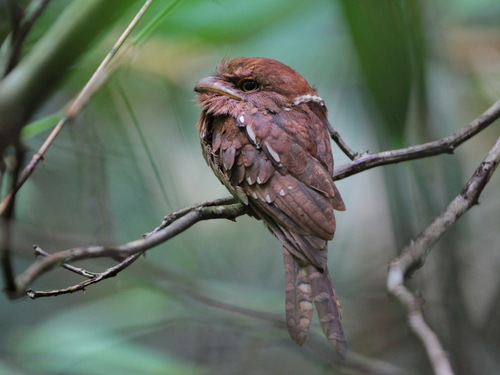 Gould's Frogmouth
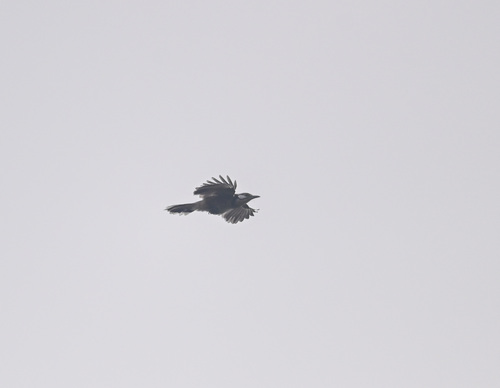 Greater Necklaced Laughingthrush
In breve
La separazione più affidabile tra Gould's Frogmouth e Greater Necklaced Laughingthrush è la loro struttura e postura complessive: il frogmouth è un uccello notturno tozzo con un becco largo e piatto e un piumaggio marrone criptico, mentre il laughingthrush è un passeriforme più eretto e attivo con un becco più snello e un sorprendente motivo a collo nero e bianco. Gould's Frogmouth mostra due morfologie di colore (chiara e scura), entrambe con un collare bianco e macchie bianche sparse sulle copritrici delle ali, e i sessi sono simili tranne per sottili differenze di colore dell'iride e delle zampe. Al contrario, il Greater Necklaced Laughingthrush ha un motivo audace con una collana nera e una gola bianca, ed è molto più sociale e appariscente durante il giorno. Non sono descritti schemi di ali o di volo specifici per i giovani per nessuna delle due specie, quindi concentrati sulla struttura complessiva, sulla postura e sui dettagli del piumaggio quando separi queste due.
Consigli di identificazione
- Postura e Struttura: Gould's Frogmouth si appollaia orizzontalmente, apparendo tozzo e con la testa piatta con un becco largo; il Greater Necklaced Laughingthrush è eretto, lungo e ha un becco tipico degli uccelli canori. Questa è una differenza strutturale chiave visibile anche da lontano.
- Motivo del Piumaggio: I frogmouths sono marroni criptici con un collare bianco e macchie bianche sparse sulle copritrici delle ali; i laughingthrushes hanno un motivo audace con una collana nera, gola bianca e forti segni facciali. La collana non è mai presente nel frogmouth.
- Morfologie di Colore: Gould's Frogmouth si presenta in morfologie chiare e scure, ma entrambe sono complessivamente marroni e mancano del forte contrasto del laughingthrush.
- Differenze di Sesso: Nei frogmouths, maschi e femmine sono simili, ma le femmine sono di un marrone rossastro più scuro con iridi marroni e zampe giallastre; i maschi hanno iridi gialle e zampe rosate. Queste sottili differenze non sono presenti nel laughingthrush, che non è descritto come sessualmente dimorfico nelle note.
- Forma del Becco: Il becco del frogmouth è largo, piatto e ampio, adattato per catturare insetti di notte. Il laughingthrush ha un becco snello e appuntito tipico di un uccello canoro.
- Comportamento: I frogmouths sono notturni e rimangono immobili durante il giorno, spesso assomigliando a un ramo spezzato. I laughingthrushes sono diurni, attivi e spesso si muovono in gruppi rumorosi.
- Uso dell'Habitat: I frogmouths sono raramente visti tranne che di notte o quando vengono spaventati da una copertura densa; i laughingthrushes sono comunemente visti alla luce del giorno ai margini delle foreste e nei cespugli.
- Colore delle Zampe e dell'Iride (solo Frogmouth): Se visti bene, le femmine di frogmouth hanno zampe giallastre e iridi marroni; i maschi hanno zampe rosate e iridi gialle. Questa non è una caratteristica del laughingthrush.
- Segni delle Parti Inferiori: I frogmouths hanno macchie ovali e bianche sulle parti inferiori; i laughingthrushes hanno una gola bianca pulita e una collana nera, senza tali macchie.
- Socialità: I frogmouths sono solitari o in coppie; i laughingthrushes sono altamente sociali e spesso in gruppi.
- Volo: Non sono descritti schemi di ali o di volo specifici per età per nessuna delle due specie, quindi fai affidamento sulla struttura e sul piumaggio.
- Voce: Non descritta nelle note, ma in pratica, i laughingthrushes sono molto vocali e i frogmouths sono generalmente silenziosi o emettono richiami bassi e gutturali di notte.
- Impressione di Dimensione: I laughingthrushes appaiono più grandi e robusti nel campo rispetto al compatto frogmouth.
- Contesto: Se visti di notte, specialmente immobili, sospetta un frogmouth; se visti alla luce del giorno, attivi e rumorosi, sospetta un laughingthrush.
- Possibile Inganno: In scarsa illuminazione o con una vista breve, il collare bianco del frogmouth potrebbe essere scambiato per la collana del laughingthrush, ma il resto del piumaggio e della struttura differirà notevolmente.
Taglia
Gould's Frogmouth è un uccello di dimensioni medie, che misura 21–25 cm di lunghezza e pesa 47–48,5 g [wikipedia]. Il Greater Necklaced Laughingthrush è generalmente più grande e robusto, anche se le misure esatte non sono fornite nelle note. Sul campo, il laughingthrush apparirà con un corpo più lungo e più robusto, specialmente quando visto in gruppi o mentre si muove attraverso il fogliame. Il frogmouth, al contrario, ha un aspetto compatto e tozzo quando è appollaiato.
Piumaggio
Non sono descritti schemi di ali o di volo specifici per età per nessuna delle due specie, quindi la separazione si basa sulle differenze complessive di piumaggio e strutturali. Gould's Frogmouth appare in due morfologie (chiara e scura), entrambe prevalentemente marroni con un collare bianco e macchie bianche sparse sulle copritrici delle ali. Le parti inferiori mostrano macchie ovali di colore biancastro. Maschi e femmine sono simili, ma le femmine sono di un marrone rossastro più scuro con iridi marroni e zampe giallastre, mentre i maschi hanno iridi gialle e zampe rosate. Il Greater Necklaced Laughingthrush è molto più audacemente contrassegnato, con una collana nera e bianca distintiva sulla gola, una macchia bianca sulla gola e un aspetto generalmente più contrastante e decorato. Il laughingthrush manca del piumaggio marrone criptico e maculato del frogmouth e mostra invece forti segni facciali e sul collo.
Comportamento
Gould's Frogmouth è strettamente notturno e tipicamente rimane immobile sui rami, facendo affidamento sul camuffamento. È raramente visto in comportamento attivo alla luce del giorno. Il Greater Necklaced Laughingthrush è diurno, altamente sociale e spesso si muove in gruppi rumorosi, foraggiando attivamente nei livelli inferiori e medi delle foreste. Il suo comportamento è appariscente ed energetico, in netto contrasto con le abitudini segrete e sedentarie del frogmouth.
Habitat
Gould's Frogmouth non è descritto in dettaglio per l'habitat nelle note fornite, ma come frogmouth, è tipicamente associato a foreste dense e umide dove può riposare e cacciare insetti di notte. Il Greater Necklaced Laughingthrush abita foreste umide di pianura e montane subtropicali o tropicali in un ampio raggio nel Sud e nel Sud-est asiatico, ed è stato introdotto alle Hawaii. Sul campo, il laughingthrush è molto più probabile che venga incontrato alla luce del giorno ai margini delle foreste, nei cespugli o nella crescita secondaria, mentre il frogmouth è quasi mai visto tranne che di notte o quando viene spaventato da un rifugio diurno.
Gould's Frogmouth · Greater Necklaced Laughingthrush · I miei uccelli difficili