

tordo-zornal vs taralhão-cinzento
Turdus pilaris versus Muscicapa striata
Jogue um quiz com tordo-zornal e taralhão-cinzento
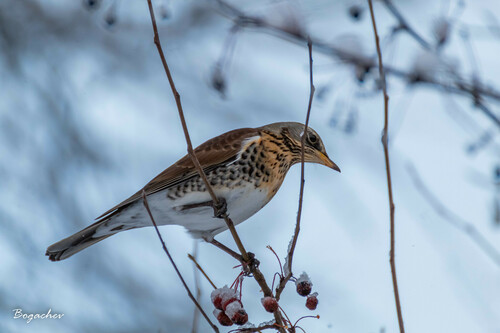 tordo-zornal
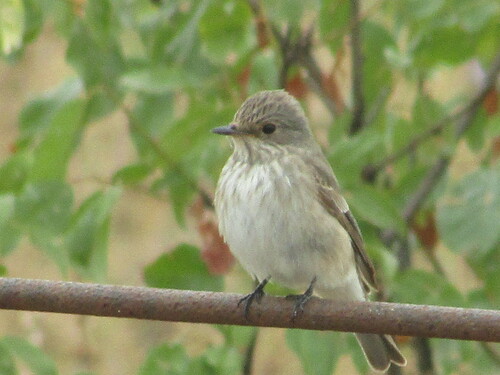 taralhão-cinzento
Em resumo
A maneira mais confiável de separar o tordo-zornal do taralhão-cinzento é pelo tamanho e estrutura geral: o tordo-zornal é um grande e robusto thrush com um peito ousado e manchado e uma cabeça cinza marcante, enquanto o taralhão-cinzento é um pássaro muito menor e mais esbelto, com um dorso cinza-marrom simples e finas listras na coroa e no peito. Em voo, o tordo-zornal exibe coberturas brancas sob as asas e uma cauda escura, enquanto o voo do taralhão-cinzento é menos impressionante, com asas uniformes e uma silhueta esbelta. A plumagem juvenil pode causar confusão, mas os juvenis de tordo-zornal ainda são mais volumosos e mostram listras mais claras acima, enquanto os juvenis de taralhão-cinzento são mais marrons e têm manchas nas partes superiores. A voz também é útil: o 'tsak tsak' áspero do tordo-zornal contrasta com o 'tssssseeeeeppppp' fino e alto do taralhão-cinzento.
Dicas de identificação
- Tamanho e forma: O tordo-zornal é muito maior e mais robusto que o taralhão-cinzento. Se o pássaro parecer do tamanho de um thrush ou maior que um melro, não é um taralhão-cinzento. Isso é confiável em todas as idades e estações.
- Padrão de voo: O tordo-zornal em voo mostra coberturas brancas sob as asas e axilares, contrastando com a cauda escura. As coberturas do taralhão-cinzento são simples e não mostram esse contraste. Isso é especialmente útil para adultos e juvenis mais velhos.
- Plumagem—cabeça e peito: O tordo-zornal tem uma cabeça e nuca cinza-ardósia, lores negros ousados e um peito creme com manchas marrons-escuras. O taralhão-cinzento tem uma cabeça cinza-marrom simples com finas listras marrons na coroa e no peito, nunca manchas ou pintas ousadas.
- Confusão juvenil: O juvenil de tordo-zornal é mais apagado, mas ainda mostra listras semelhantes a um thrush e volume. O juvenil de taralhão-cinzento é mais marrom com manchas amarelo-ocre acima e manchas escamosas abaixo, e é muito mais esbelto. Se você ver um pássaro pequeno manchado ou listrado, verifique primeiro o tamanho e a estrutura.
- Forma e cor da cauda: O tordo-zornal tem uma cauda arredondada, marrom-escura com sutis franjas cinzas e às vezes uma borda branca estreita nas penas externas. A cauda do taralhão-cinzento é longa e esbelta, com bordas claras, mas sem padrão ousado.
- Bico: O bico do tordo-zornal é forte, ligeiramente curvado e amarelo-alaranjado (especialmente no inverno), com uma ponta marron-escura. O bico do taralhão-cinzento é esbelto, preto e pontudo, típico de insetívoros aéreos.
- Pernas e pés: O tordo-zornal tem pernas e pés marrons; os do taralhão-cinzento são curtos e pretos. Isso pode ajudar em distâncias curtas.
- Comportamento: O tordo-zornal é frequentemente visto em bandos, especialmente no inverno, e forrageia no chão ou nas árvores. O taralhão-cinzento é solitário ou em pares, empoleirando-se ereto e atacando insetos.
- Postura de empoleiramento: O taralhão-cinzento empoleira-se muito ereto e alerta, frequentemente retornando ao mesmo local após capturar insetos. A postura do tordo-zornal é mais horizontal e menos ereta.
- Voz: O 'tsak tsak' alto e áspero do tordo-zornal é muito diferente do 'tssssseeeeeppppp' fino e alto do taralhão-cinzento. Ouça esses chamados se o pássaro estiver vocalizando.
- Contexto de habitat: No inverno, o tordo-zornal é provável que esteja em campos abertos ou grandes bandos, enquanto o taralhão-cinzento raramente é visto no inverno e prefere bordas de florestas ou jardins na estação de reprodução.
- Diferenças sexuais: As fêmeas de tordo-zornal são mais marrons e menos marcadas do que os machos, mas ainda são muito maiores e mais padronizadas do que qualquer taralhão-cinzento. Os sexos do taralhão-cinzento são semelhantes.
- Contexto sazonal: O taralhão-cinzento é um reprodutor de verão e migra para fora da Europa no inverno; o tordo-zornal está presente no inverno em muitas áreas, especialmente em bandos.
- Risco de confusão: O principal risco é com pássaros juvenis ou breves visões de voo. Sempre verifique primeiro o tamanho, a estrutura e o padrão sob as asas antes de confiar nas listras do peito ou na cor geral.
- Quando em dúvida: Se o pássaro for pequeno, esbelto, ereto e capturando insetos de um poleiro, é quase certamente um taralhão-cinzento. Se for grande, robusto e mostrar um peito ousado e manchado e coberturas brancas sob as asas em voo, é um tordo-zornal.
Tamanho
O tordo-zornal é dramaticamente maior e mais pesado que o taralhão-cinzento. O tordo-zornal pesa em média 105 g e tem cerca de 25 cm de comprimento com uma envergadura de 39–42 cm [wikidata, wikipedia]. Em contraste, o taralhão-cinzento é um pássaro pequeno e esbelto, com cerca de 14,5 cm de comprimento e pesando 14–20 g [wikipedia]. Mesmo à distância, o volume e a cauda longa e arredondada do tordo-zornal são óbvios, enquanto o taralhão-cinzento parece leve, com uma cauda e asas proporcionalmente mais longas para seu tamanho.
Plumagem
- Pássaros juvenis/imaturos: Os juvenis de tordo-zornal são mais apagados do que os adultos, mas ainda mostram listras claras nas penas que são listradas escuras nos adultos. Eles mantêm a forma robusta do thrush e um toque do peito ousado e manchado do adulto. Os juvenis de taralhão-cinzento são mais marrons no geral, com manchas amarelo-ocre acima e manchas marrons escamosas abaixo, sem o padrão ousado do thrush.
- Adultos: Os adultos de tordo-zornal são distintos: cabeça, nuca e rabo cinza-ardósia; dorso marrom-escuro; cauda negra; e um peito creme manchado de forma ousada. Em voo, as coberturas brancas sob as asas e axilares se destacam. Os adultos de taralhão-cinzento são cinza-marrom simples acima, off-white abaixo, com finas listras marrons na coroa, garganta e peito, e asas e cauda com bordas claras. Ambos os sexos são semelhantes no taralhão-cinzento, enquanto as fêmeas de tordo-zornal são ligeiramente mais marrons e menos marcadas do que os machos.
- Visões de voo: As coberturas brancas sob as asas do tordo-zornal são diagnósticas em voo. O taralhão-cinzento não mostra tal contraste, aparecendo uniformemente pálido abaixo, sem padrão ousado nas asas ou na cauda.
Comportamento
O tordo-zornal frequentemente se move em bandos, especialmente fora da estação de reprodução, e é geralmente visto forrageando no chão ou voando entre as árvores com um voo forte e direto. O taralhão-cinzento é tipicamente solitário ou em pares, empoleirando-se ereto em galhos expostos e fazendo curtas investidas para capturar insetos, frequentemente retornando ao mesmo poleiro. Sua postura ereta e alerta e os voos repetidos de captura de insetos são características.
Habitat
Ambas as espécies nidificam em florestas e arbustos pela Europa e Palearctic, mas o tordo-zornal está mais associado a florestas abertas, campos e, às vezes, parques urbanos, especialmente no inverno, quando forma bandos. O taralhão-cinzento prefere bordas de florestas, jardins, parques e clareiras, frequentemente escolhendo locais com poleiros proeminentes para caçar insetos. O tordo-zornal é mais provável de ser encontrado em áreas abertas ou grandes bandos no inverno, enquanto o taralhão-cinzento geralmente está sozinho ou em pares em habitats de borda mais protegidos.
Voz
O chamado do tordo-zornal é um 'tsak tsak' áspero e repetido, especialmente em voo ou quando alarmado, e é bastante alto e distintivo. Sua canção é fraca e raramente ouvida, uma mistura de frases e apitos semelhantes aos do melro. O chamado do taralhão-cinzento é um 'tssssseeeeeppppp' fino, alto e prolongado, ligeiramente descendente, muito mais suave e menos áspero do que o do tordo-zornal. A diferença na qualidade do chamado—o áspero e tagarelando do tordo-zornal versus a nota fina e aguda do taralhão-cinzento—é uma pista útil.