

Cesena vs Pigliamosche/Pigliamosche tirrenico
Turdus pilaris contro Muscicapa striata
Fai un quiz con Cesena e Pigliamosche/Pigliamosche tirrenico
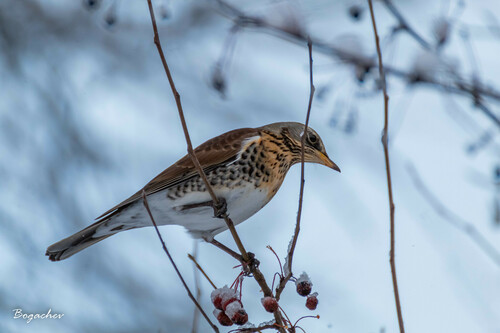 Cesena
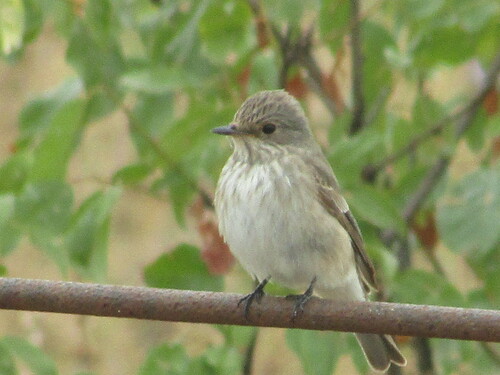 Pigliamosche/Pigliamosche tirrenico
In breve
Il modo più affidabile per separare la Cesena dal Pigliamosche è la dimensione e la struttura complessiva: la Cesena è un grande tordo massiccio con un petto audace e maculato e una testa grigia sorprendente, mentre il Pigliamosche è un uccello molto più piccolo e snello con un dorso grigio-marrone uniforme e striature fini sulla corona e sul petto. In volo, la Cesena mostra copritrici bianche sotto le ali e una coda scura, mentre il volo del Pigliamosche è meno appariscente, con ali uniformi e una silhouette snella. Il piumaggio giovanile può causare confusione, ma i giovani della Cesena sono ancora più robusti e mostrano striature più chiare sopra, mentre i giovani del Pigliamosche sono più marroni e hanno macchie sulle parti superiori. Anche la voce è utile: il 'tsak tsak' ruvido della Cesena contrasta con il sottile e alto 'tssssseeeeeppppp' del Pigliamosche.
Consigli di identificazione
- Dimensione e forma: La Cesena è molto più grande e massiccia del Pigliamosche. Se l'uccello sembra avere dimensioni simili a un tordo o più grande di un merlo, non è un Pigliamosche. Questo è affidabile in tutte le età e stagioni.
- Schema di volo: La Cesena in volo mostra copritrici bianche sotto le ali e ascellari sorprendenti, in contrasto con la coda scura. Le ali del Pigliamosche sono semplici e non mostrano questo contrasto. Questo è particolarmente utile per gli adulti e i giovani più grandi.
- Piumaggio—testa e petto: La Cesena ha una testa e un nape grigio ardesia, lore neri audaci e un petto crema-buff con pesanti macchie marrone-nerastre. Il Pigliamosche ha una testa grigio-marrone uniforme con fini striature marroni sulla corona e sul petto, mai macchie o maculature audaci.
- Confusione giovanile: Il giovane della Cesena è più opaco ma mostra ancora striature simili a un tordo e robustezza. Il giovane del Pigliamosche è più marrone con macchie ocra-buff sopra e macchie squamose sotto, ed è molto più snello. Se vedi un piccolo uccello macchiato o striato, controlla prima la dimensione e la struttura.
- Forma e colore della coda: La Cesena ha una coda arrotondata, marrone-nera scura con frange grigie sottili e a volte un bordo bianco stretto sulle piume esterne. La coda del Pigliamosche è lunga e snella, con bordi chiari ma senza un motivo audace.
- Becco: Il becco della Cesena è forte, leggermente curvato e di colore arancio-giallo (specialmente in inverno), con una punta marrone-nera. Il becco del Pigliamosche è snello, nero e appuntito, tipico degli insetti aerei.
- Zampe e piedi: La Cesena ha zampe e piedi marroni; quelli del Pigliamosche sono corti e neri. Questo può aiutare a distanza ravvicinata.
- Comportamento: La Cesena è spesso vista in stormi, specialmente in inverno, e cerca cibo a terra o sugli alberi. Il Pigliamosche è solitario o in coppie, posandosi eretto e lanciandosi per catturare insetti.
- Postura di poso: Il Pigliamosche si posiziona molto eretto e all'erta, spesso tornando nello stesso punto dopo aver catturato insetti. La postura della Cesena è più orizzontale e meno eretta.
- Voce: Il 'tsak tsak' forte e ruvido della Cesena è molto diverso dal 'tssssseeeeeppppp' sottile e alto del Pigliamosche. Ascolta questi richiami se l'uccello è vocale.
- Contesto dell'habitat: In inverno, la Cesena si trova probabilmente in campi aperti o in grandi stormi, mentre il Pigliamosche è raramente visto in inverno e preferisce i margini boschivi o i giardini durante la stagione di nidificazione.
- Differenze sessuali: Le femmine della Cesena sono più marroni e meno audacemente contrassegnate dei maschi, ma sono comunque molto più grandi e più decorate di qualsiasi Pigliamosche. I sessi del Pigliamosche sono simili.
- Contesto stagionale: Il Pigliamosche è un nidificante estivo e migra fuori dall'Europa in inverno; la Cesena è presente in inverno in molte aree, specialmente in stormi.
- Rischio di confusione: Il rischio principale è con gli uccelli giovani o brevi visuali in volo. Controlla sempre prima la dimensione, la struttura e il motivo sotto le ali prima di fare affidamento sulle striature del petto o sul colore generale.
- Quando hai dubbi: Se l'uccello è piccolo, snello, eretto e cattura insetti da un posatoio, è quasi certamente un Pigliamosche. Se è grande, massiccio e mostra un petto audace e maculato e copritrici bianche sotto le ali in volo, è una Cesena.
Taglia
La Cesena è drammaticamente più grande e pesante del Pigliamosche. La Cesena pesa in media 105 g e misura circa 25 cm di lunghezza con un'apertura alare di 39–42 cm [wikidata, wikipedia]. Al contrario, il Pigliamosche è un piccolo uccello snello, lungo solo circa 14,5 cm e pesante 14–20 g [wikipedia]. Anche a distanza, la robustezza e la lunga coda arrotondata della Cesena sono evidenti, mentre il Pigliamosche appare esile, con una coda e ali proporzionalmente più lunghe per la sua dimensione.
Piumaggio
- Uccelli giovani/immaturi: I giovani della Cesena sono più opachi degli adulti ma mostrano ancora striature chiare sulle piume che sono scure negli adulti. Mantengono la forma massiccia del tordo e un accenno al petto audace e maculato dell'adulto. I giovani del Pigliamosche sono complessivamente più marroni, con macchie ocra-buff sopra e macchie marroni squamose sotto, privi del motivo audace del tordo.
- Adulti: Gli adulti della Cesena sono distintivi: testa, nape e groppa grigio ardesia; dorso marrone scuro; coda nera; e un petto crema-buff audacemente maculato. In volo, le copritrici bianche sotto le ali e le ascellari si distinguono. Gli adulti del Pigliamosche sono grigio-marrone uniforme sopra, bianco sporco sotto, con fini striature marroni sulla corona, sulla gola e sul petto, e ali e coda con bordi chiari. Entrambi i sessi sono simili nel Pigliamosche, mentre le femmine della Cesena sono leggermente più marroni e meno audacemente contrassegnate dei maschi.
- Visuali in volo: Le copritrici bianche sotto le ali della Cesena sono diagnostiche in volo. Il Pigliamosche non mostra tale contrasto, apparendo uniformemente chiaro sotto senza un motivo audace sulle ali o sulla coda.
Comportamento
La Cesena si muove spesso in stormi, specialmente al di fuori della stagione di nidificazione, ed è solitamente vista cercare cibo a terra o volare tra gli alberi con un volo forte e diretto. Il Pigliamosche è tipicamente solitario o in coppie, posandosi eretto su rami esposti e facendo brevi lanci per catturare insetti, spesso tornando nello stesso posatoio. La sua postura eretta e all'erta e i ripetuti voli di cattura degli insetti sono caratteristici.
Habitat
Entrambe le specie nidificano in boschi e cespugli in tutta Europa e nel Paleartico, ma la Cesena è più associata a boschi aperti, campi e a volte parchi urbani, specialmente in inverno quando forma stormi. Il Pigliamosche preferisce i margini boschivi, i giardini, i parchi e le radure, scegliendo spesso siti con posatoi prominenti per cacciare insetti. La Cesena è più probabile trovarla in campagna aperta o in grandi stormi in inverno, mentre il Pigliamosche è solitamente solo o in coppie in habitat più riparati e ai margini.
Voce
Il richiamo della Cesena è un 'tsak tsak' ruvido e ripetuto, specialmente in volo o quando è allarmata, ed è piuttosto forte e distintivo. Il suo canto è debole e raramente udito, una miscela di frasi e fischi simili a quelli del merlo. Il richiamo del Pigliamosche è un 'tssssseeeeeppppp' sottile, alto e prolungato, leggermente discendente, molto più morbido e meno ruvido rispetto a quello della Cesena. La differenza nella qualità del richiamo—il 'tsak tsak' ruvido e chiacchierino della Cesena rispetto alla nota sottile e acuta del Pigliamosche—è un utile indizio.
Cesena · Pigliamosche/Pigliamosche tirrenico · I miei uccelli difficili