

Motmot

ノハラツグミ 対 ムナフヒタキ

Turdus pilaris 対 Muscicapa striata

ノハラツグミとムナフヒタキのクイズ
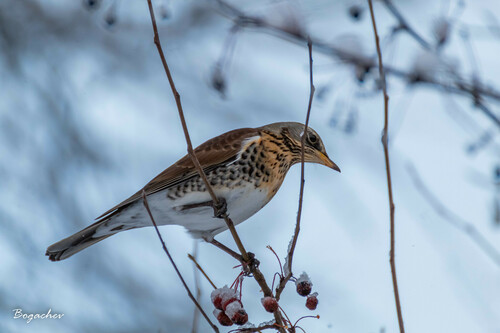
ノハラツグミ (Turdus pilaris) ノハラツグミ
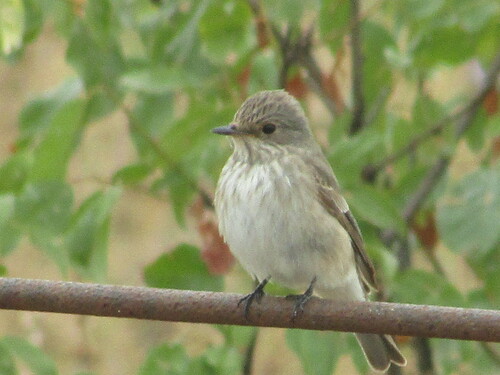
ムナフヒタキ (Muscicapa striata) ムナフヒタキ

メディア

読み込み中…

要点

ノハラツグミとムナフヒタキを区別する最も信頼できる方法は、全体的なサイズと構造によるものです:ノハラツグミは大きくてずんぐりしたツグミで、目立つ斑点のある胸と印象的な灰色の頭を持っています。一方、ムナフヒタキははるかに小さく、細身の鳥で、地味な灰褐色の背中と頭部と胸に細い筋があります。飛行中、ノハラツグミは目立つ白い翼の下の羽と暗い尾を示しますが、ムナフヒタキの飛行はあまり目立たず、均一な翼と細いシルエットを持っています。幼鳥の羽毛は混乱を引き起こすことがありますが、ノハラツグミの幼鳥は依然としてずんぐりしており、上部に淡い筋を示しますが、ムナフヒタキの幼鳥はより褐色で、上面に斑点があります。声も役立ちます:ノハラツグミの厳しい「ツァク ツァク」は、ヒタキの細く高い「ツッススススススススス」に対比されます。

識別のコツ

  1. Size and shape: ノハラツグミはムナフヒタキよりもはるかに大きくずんぐりしています。もしその鳥がツグミサイズかそれ以上の大きさであれば、それはムナフヒタキではありません。これはすべての年齢と季節で信頼できます。
  2. Flight pattern: 飛行中のノハラツグミは、目立つ白い翼の下の羽と腋羽を示し、暗い尾と対比します。ムナフヒタキの翼の下は地味で、この対比は示しません。これは特に成鳥や成長した幼鳥にとって有用です。
  3. Plumage—head and breast: ノハラツグミはスレートグレーの頭と後頭部、目立つ黒っぽい頬、重い茶色の斑点のあるクリーミーな胸を持っています。ムナフヒタキは、頭部と胸に細い茶色の筋がある地味な灰褐色の頭を持ち、決して目立つ斑点や斑点はありません。
  4. Juvenile confusion: 幼鳥のノハラツグミは鈍い色合いですが、依然としてツグミのような筋とずんぐりした体形を示します。幼鳥のムナフヒタキはより褐色で、上部にオーカー色の斑点があり、下部には鱗状の斑点があり、はるかに細身です。斑点や筋のある小さな鳥を見た場合、まずサイズと構造を確認してください。
  5. Tail shape and color: ノハラツグミは、微妙な灰色の縁取りがある丸い暗褐色の尾を持ち、時には外側の羽に狭い白い縁があります。ムナフヒタキの尾は長く細く、淡い縁がありますが、目立つ模様はありません。
  6. Bill: ノハラツグミのくちばしは強く、わずかに曲がっており、オレンジ色がかった黄色(特に冬に)で、茶色がかった黒い先端があります。ムナフヒタキのくちばしは細く、黒く、尖っており、空中の昆虫食に典型的です。
  7. Legs and feet: ノハラツグミは茶色の足と足を持っています;ムナフヒタキは短く黒いです。これは近距離で役立ちます。
  8. Behavior: ノハラツグミは特に冬に群れで見られることが多く、地面や木の中で餌を探します。ムナフヒタキは通常、単独またはペアで、直立して止まり、昆虫を捕まえるために短い飛び出しを行います。
  9. Perching posture: ムナフヒタキは非常に直立して警戒し、捕食後に同じ場所に戻ることがよくあります。ノハラツグミの姿勢はより水平で、あまり直立していません。
  10. Voice: ノハラツグミの大きく厳しい「ツァク ツァク」は、ヒタキの細く高い「ツッススススススススス」とは非常に異なります。鳥が鳴いている場合は、これらの鳴き声を聞いてください。
  11. Habitat context: 冬にノハラツグミは開けた野原や大きな群れで見られる可能性が高いですが、ムナフヒタキは冬にほとんど見られず、繁殖期には森林の縁や庭を好みます。
  12. Sex differences: ノハラツグミの雌は雄よりも褐色で目立たないが、それでもムナフヒタキのどの個体よりもはるかに大きく模様があります。ムナフヒタキの性別は似ています。
  13. Seasonal context: ムナフヒタキは夏に繁殖し、冬にはヨーロッパから移動します;ノハラツグミは多くの地域で冬に存在し、特に群れで見られます。
  14. Confusion risk: 主なリスクは幼鳥や短時間の飛行の視界にあります。胸の筋や一般的な色に頼る前に、必ずサイズ、構造、翼の下の模様を確認してください。
  15. When in doubt: もしその鳥が小さく、細く、直立していて、止まり木から昆虫を捕まえているなら、ほぼ確実にムナフヒタキです。もし大きくてずんぐりしていて、目立つ斑点のある胸と飛行中に白い翼の下を示しているなら、それはノハラツグミです。

大きさ

ノハラツグミはムナフヒタキよりも劇的に大きく、重いです。ノハラツグミの平均体重は105gで、全長は約25cm、翼幅は39〜42cmです [wikidata, wikipedia]。対照的に、ムナフヒタキは小さく細身の鳥で、全長は約14.5cm、体重は14〜20gです [wikipedia]。距離があっても、ノハラツグミの体格と長く丸い尾は明らかで、ムナフヒタキはそのサイズに対して相対的に長い尾と翼を持っているように見えます。

羽色

行動

ノハラツグミは繁殖期以外に群れで移動することが多く、通常は地面で餌を探したり、木の間を強く直接的な飛行で飛んだりしているのが見られます。ムナフヒタキは通常、単独またはペアで、露出した枝に直立して止まり、昆虫を捕まえるために短い飛び出しを行い、しばしば同じ止まり木に戻ります。その直立した警戒姿勢と繰り返される捕食飛行が特徴です。

生息環境

両種はヨーロッパと旧北区の森林や低木で繁殖しますが、ノハラツグミは開けた森林、野原、時には都市公園に関連しています。特に冬には群れを形成します。ムナフヒタキは森林の縁、庭、公園、開けた場所を好み、昆虫を狩るための目立つ止まり木を選ぶことがよくあります。ノハラツグミは冬に開けた国や大きな群れで見られる可能性が高いですが、ムナフヒタキは通常、より保護された縁の生息地で単独またはペアで見られます。

声

ノハラツグミの鳴き声は厳しく繰り返される「ツァク ツァク」で、特に飛行中や警戒時に非常に大きく目立ちます。その歌は弱く、あまり聞かれず、ツグミのようなフレーズと口笛の混合です。ムナフヒタキの鳴き声は細く高く引き延ばされた「ツッススススススススス」で、わずかに下降し、ノハラツグミよりもはるかに柔らかく、厳しくありません。鳴き声の質の違い—ノハラツグミの厳しくおしゃべりな声とヒタキの細く高音の音は、有用な手がかりです。

より良い説明を送る

比較と同じ項目を使ってください。文章はすぐに公開されます。

The most reliable way to separate Fieldfare from Spotted Flycatcher is by overall size and structure: Fieldfare is a large, chunky thrush with a bold, speckled breast and a striking grey head, while Spotted Flycatcher is a much smaller, slimmer bird with a plain grey-brown back and fine streaks on the crown and breast. In flight, Fieldfare shows conspicuous white underwing coverts and a dark tail, whereas Spotted Flycatcher’s flight is less striking, with uniform wings and a slim silhouette. Juvenile plumage can cause confusion, but Fieldfare juveniles are still bulkier and show paler streaks above, while Spotted Flycatcher juveniles are browner and have spots on the upperparts. Voice is also helpful: Fieldfare’s harsh 'tsak tsak' contrasts with the flycatcher’s thin, high 'tssssseeeeeppppp'.

  1. Size and shape: Fieldfare is much larger and bulkier than Spotted Flycatcher. If the bird looks thrush-sized or larger than a blackbird, it is not a Spotted Flycatcher. This is reliable at all ages and seasons.
  2. Flight pattern: Fieldfare in flight shows striking white underwing coverts and axillaries, contrasting with the dark tail. Spotted Flycatcher’s underwings are plain and do not show this contrast. This is especially useful for adults and older juveniles.
  3. Plumage—head and breast: Fieldfare has a slate-grey head and nape, bold blackish lores, and a creamy-buff breast with heavy brownish-black speckling. Spotted Flycatcher has a plain grey-brown head with fine brown streaks on the crown and breast, never bold spots or speckles.
  4. Juvenile confusion: Juvenile Fieldfare is duller but still shows thrush-like streaks and bulk. Juvenile Spotted Flycatcher is browner with ochre-buff spots above and scaly spots below, and is much slimmer. If you see a spotted or streaked small bird, check the size and structure first.
  5. Tail shape and color: Fieldfare has a rounded, dark brownish-black tail with subtle grey fringes and sometimes a narrow white border on the outer feathers. Spotted Flycatcher’s tail is long and slim, with pale edges but no bold pattern.
  6. Bill: Fieldfare’s bill is strong, slightly curved, and orange-yellow (especially in winter), with a brownish-black tip. Spotted Flycatcher’s bill is slim, black, and pointed, typical of aerial insectivores.
  7. Legs and feet: Fieldfare has brown legs and feet; Spotted Flycatcher’s are short and black. This can help at close range.
  8. Behavior: Fieldfare is often seen in flocks, especially in winter, and forages on the ground or in trees. Spotted Flycatcher is solitary or in pairs, perching upright and sallying for insects.
  9. Perching posture: Spotted Flycatcher perches very upright and alert, often returning to the same spot after flycatching. Fieldfare’s posture is more horizontal and less upright.
  10. Voice: Fieldfare’s loud, harsh 'tsak tsak' is very different from the flycatcher’s thin, high 'tssssseeeeeppppp'. Listen for these calls if the bird is vocal.
  11. Habitat context: In winter, Fieldfare is likely in open fields or large flocks, while Spotted Flycatcher is rarely seen in winter and prefers woodland edges or gardens in the breeding season.
  12. Sex differences: Fieldfare females are browner and less boldly marked than males, but still much larger and more patterned than any Spotted Flycatcher. Spotted Flycatcher sexes are alike.
  13. Seasonal context: Spotted Flycatcher is a summer breeder and migrates out of Europe in winter; Fieldfare is present in winter in many areas, especially in flocks.
  14. Confusion risk: The main risk is with juvenile birds or brief flight views. Always check size, structure, and underwing pattern first before relying on breast streaking or general color.
  15. When in doubt: If the bird is small, slim, upright, and flycatching from a perch, it is almost certainly a Spotted Flycatcher. If it is large, chunky, and shows a bold, speckled breast and white underwings in flight, it is a Fieldfare.

Fieldfare is dramatically larger and heavier than Spotted Flycatcher. Fieldfare averages 105 g in body mass and is about 25 cm long with a 39–42 cm wingspan [wikidata, wikipedia]. In contrast, Spotted Flycatcher is a small, slim bird, only about 14.5 cm long and weighing 14–20 g [wikipedia]. Even at a distance, Fieldfare’s bulk and long, rounded tail are obvious, while Spotted Flycatcher appears slight, with a proportionally longer tail and wings for its size.

  • Juvenile/immature birds: Fieldfare juveniles are duller than adults but still show pale streaks on the feathers that are dark-streaked in adults. They retain the chunky thrush shape and a hint of the adult’s bold, speckled breast. Spotted Flycatcher juveniles are browner overall, with ochre-buff spots above and scaly brown spots below, lacking the bold thrush patterning.
  • Adults: Fieldfare adults are distinctive: slate-grey head, nape, and rump; dark brown back; blackish tail; and a boldly speckled creamy-buff breast. In flight, the white underwing coverts and axillaries stand out. Spotted Flycatcher adults are plain grey-brown above, off-white below, with fine brown streaks on the crown, throat, and breast, and pale-edged wings and tail. Both sexes are similar in Spotted Flycatcher, while Fieldfare females are slightly browner and less boldly marked than males.
  • Flight views: Fieldfare’s white underwing coverts are diagnostic in flight. Spotted Flycatcher shows no such contrast, appearing uniformly pale below with no bold wing or tail pattern.

Fieldfare often moves in flocks, especially outside the breeding season, and is usually seen foraging on the ground or flying between trees with a strong, direct flight. Spotted Flycatcher is typically solitary or in pairs, perching upright on exposed branches and making short sallies to catch insects, often returning to the same perch. Its upright, alert posture and repeated flycatching flights are characteristic.

Both species breed in woodland and scrub across Europe and the Palearctic, but Fieldfare is more associated with open woodland, fields, and sometimes urban parks, especially in winter when it forms flocks. Spotted Flycatcher prefers woodland edges, gardens, parks, and clearings, often choosing sites with prominent perches for hunting insects. Fieldfare is more likely in open country or large flocks in winter, while Spotted Flycatcher is usually alone or in pairs in more sheltered, edge habitats.

Fieldfare’s call is a harsh, repeated 'tsak tsak', especially in flight or when alarmed, and is quite loud and distinctive. Its song is weak and rarely heard, a mixture of blackbird-like phrases and whistles. Spotted Flycatcher’s call is a thin, high, drawn-out 'tssssseeeeeppppp', slightly descending, much softer and less harsh than Fieldfare’s. The difference in call quality—Fieldfare’s harsh and chattering versus the flycatcher’s thin, high-pitched note—is a useful clue.

変更を破棄しますか?

保存していない編集があります。今離れると失われます。

ノハラツグミ · ムナフヒタキ · 苦手な鳥