

Zorzal Real vs Papamoscas Gris
Turdus pilaris frente a Muscicapa striata
Juega un quiz con Zorzal Real y Papamoscas Gris
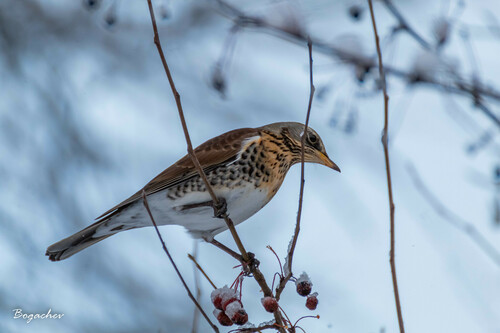 Zorzal Real
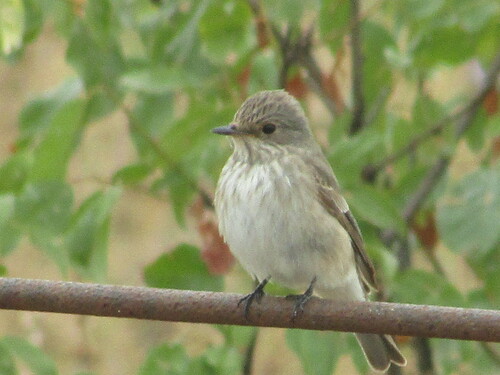 Papamoscas Gris
En breve
La forma más confiable de separar el Zorzal Real del Papamoscas Gris es por su tamaño y estructura general: el Zorzal Real es un zorzal grande y robusto con un pecho moteado y una cabeza gris llamativa, mientras que el Papamoscas Gris es un ave mucho más pequeña y esbelta con un dorso gris-marrón liso y finas rayas en la corona y el pecho. En vuelo, el Zorzal Real muestra cobertores de alas inferiores blancos conspicuos y una cola oscura, mientras que el vuelo del Papamoscas Gris es menos llamativo, con alas uniformes y una silueta esbelta. El plumaje juvenil puede causar confusión, pero los juveniles de Zorzal Real son aún más robustos y muestran rayas más pálidas en la parte superior, mientras que los juveniles de Papamoscas Gris son más marrones y tienen manchas en las partes superiores. La voz también es útil: el 'tsak tsak' áspero del Zorzal Real contrasta con el delgado y alto 'tssssseeeeeppppp' del papamoscas.
Consejos de identificación
- Tamaño y forma: El Zorzal Real es mucho más grande y robusto que el Papamoscas Gris. Si el ave parece del tamaño de un zorzal o más grande que un mirlo, no es un Papamoscas Gris. Esto es confiable en todas las edades y estaciones.
- Patrón de vuelo: El Zorzal Real en vuelo muestra cobertores de alas inferiores blancos llamativos y axilares, contrastando con la cola oscura. Las alas inferiores del Papamoscas Gris son lisas y no muestran este contraste. Esto es especialmente útil para adultos y juveniles mayores.
- Plumaje—cabeza y pecho: El Zorzal Real tiene una cabeza y nuca gris pizarra, lóbulos negros audaces y un pecho crema-marrón con moteado marrón-negro intenso. El Papamoscas Gris tiene una cabeza gris-marrón lisa con finas rayas marrones en la corona y el pecho, nunca manchas o moteado audaces.
- Confusión juvenil: El juvenil Zorzal Real es más apagado pero aún muestra rayas similares a las de un zorzal y robustez. El juvenil Papamoscas Gris es más marrón con manchas color ocre-marrón en la parte superior y manchas escamosas en la parte inferior, y es mucho más esbelto. Si ves un ave pequeña manchada o rayada, verifica primero el tamaño y la estructura.
- Forma y color de la cola: El Zorzal Real tiene una cola redondeada, marrón-negra oscura con sutiles bordes grises y a veces un estrecho borde blanco en las plumas externas. La cola del Papamoscas Gris es larga y esbelta, con bordes pálidos pero sin patrón audaz.
- Pico: El pico del Zorzal Real es fuerte, ligeramente curvado y de color naranja-amarillo (especialmente en invierno), con una punta marrón-negra. El pico del Papamoscas Gris es esbelto, negro y puntiagudo, típico de los insectívoros aéreos.
- Patas y pies: El Zorzal Real tiene patas y pies marrones; los del Papamoscas Gris son cortos y negros. Esto puede ayudar a corta distancia.
- Comportamiento: El Zorzal Real se ve a menudo en bandadas, especialmente en invierno, y busca alimento en el suelo o en los árboles. El Papamoscas Gris es solitario o en parejas, posándose erguido y lanzándose a por insectos.
- Postura de posado: El Papamoscas Gris se posa muy erguido y alerta, a menudo regresando al mismo lugar después de cazar. La postura del Zorzal Real es más horizontal y menos erguida.
- Voz: El fuerte y áspero 'tsak tsak' del Zorzal Real es muy diferente del delgado y alto 'tssssseeeeeppppp' del papamoscas. Escucha estos llamados si el ave es vocal.
- Contexto de hábitat: En invierno, el Zorzal Real probablemente esté en campos abiertos o grandes bandadas, mientras que el Papamoscas Gris rara vez se ve en invierno y prefiere bordes de bosques o jardines en la temporada de cría.
- Diferencias sexuales: Las hembras de Zorzal Real son más marrones y menos marcadas que los machos, pero aún son mucho más grandes y más patrones que cualquier Papamoscas Gris. Los sexos del Papamoscas Gris son similares.
- Contexto estacional: El Papamoscas Gris es un criador de verano y migra fuera de Europa en invierno; el Zorzal Real está presente en invierno en muchas áreas, especialmente en bandadas.
- Riesgo de confusión: El principal riesgo es con aves juveniles o vistas breves en vuelo. Siempre verifica primero el tamaño, la estructura y el patrón de las alas inferiores antes de confiar en el moteado del pecho o el color general.
- Cuando tengas dudas: Si el ave es pequeña, esbelta, erguida y caza insectos desde una percha, es casi seguro que es un Papamoscas Gris. Si es grande, robusta y muestra un pecho moteado audaz y alas inferiores blancas en vuelo, es un Zorzal Real.
Tamaño
El Zorzal Real es dramáticamente más grande y pesado que el Papamoscas Gris. El Zorzal Real promedia 105 g en masa corporal y mide aproximadamente 25 cm de largo con una envergadura de 39–42 cm [wikidata, wikipedia]. En contraste, el Papamoscas Gris es un ave pequeña y esbelta, de solo aproximadamente 14.5 cm de largo y pesa entre 14–20 g [wikipedia]. Incluso a distancia, la robustez y la cola larga y redondeada del Zorzal Real son obvias, mientras que el Papamoscas Gris parece ligero, con una cola y alas proporcionalmente más largas para su tamaño.
Plumaje
- Aves juveniles/inmaduras: Los juveniles de Zorzal Real son más apagados que los adultos pero aún muestran rayas pálidas en las plumas que son oscuras en los adultos. Retienen la forma robusta de zorzal y un indicio del pecho moteado audaz del adulto. Los juveniles de Papamoscas Gris son más marrones en general, con manchas color ocre-marrón en la parte superior y manchas marrones escamosas en la parte inferior, careciendo del patrón audaz del zorzal.
- Adultos: Los adultos de Zorzal Real son distintivos: cabeza, nuca y rabadilla gris pizarra; dorso marrón oscuro; cola negra; y un pecho crema-marrón moteado audazmente. En vuelo, los cobertores de alas inferiores y axilares blancos destacan. Los adultos de Papamoscas Gris son de un gris-marrón liso en la parte superior, blanco sucio en la parte inferior, con finas rayas marrones en la corona, garganta y pecho, y alas y cola con bordes pálidos. Ambos sexos son similares en el Papamoscas Gris, mientras que las hembras de Zorzal Real son ligeramente más marrones y menos marcadas que los machos.
- Vistas de vuelo: Los cobertores de alas inferiores blancos del Zorzal Real son diagnósticos en vuelo. El Papamoscas Gris no muestra tal contraste, apareciendo uniformemente pálido por debajo sin patrón audaz en las alas o la cola.
Comportamiento
El Zorzal Real a menudo se mueve en bandadas, especialmente fuera de la temporada de cría, y generalmente se ve buscando alimento en el suelo o volando entre árboles con un vuelo fuerte y directo. El Papamoscas Gris es típicamente solitario o en parejas, posándose erguido en ramas expuestas y haciendo cortas emboscadas para atrapar insectos, a menudo regresando al mismo posadero. Su postura erguida y alerta y sus repetidos vuelos de caza son característicos.
Hábitat
Ambas especies crían en bosques y matorrales a través de Europa y el Paleártico, pero el Zorzal Real está más asociado con bosques abiertos, campos y a veces parques urbanos, especialmente en invierno cuando forma bandadas. El Papamoscas Gris prefiere bordes de bosques, jardines, parques y claros, a menudo eligiendo sitios con posaderos prominentes para cazar insectos. El Zorzal Real es más probable que se encuentre en campo abierto o grandes bandadas en invierno, mientras que el Papamoscas Gris suele estar solo o en parejas en hábitats más protegidos y de borde.
Voz
El llamado del Zorzal Real es un 'tsak tsak' áspero y repetido, especialmente en vuelo o cuando está alarmado, y es bastante fuerte y distintivo. Su canto es débil y rara vez se escucha, una mezcla de frases y silbidos similares a los del mirlo. El llamado del Papamoscas Gris es un 'tssssseeeeeppppp' delgado, alto y prolongado, ligeramente descendente, mucho más suave y menos áspero que el del Zorzal Real. La diferencia en la calidad del llamado—el áspero y parloteante del Zorzal Real frente a la nota delgada y aguda del papamoscas—es una pista útil.