

fairy flycatcher vs southern black-tit
Stenostira scita versus Melaniparus niger
Jogue um quiz com fairy flycatcher e southern black-tit
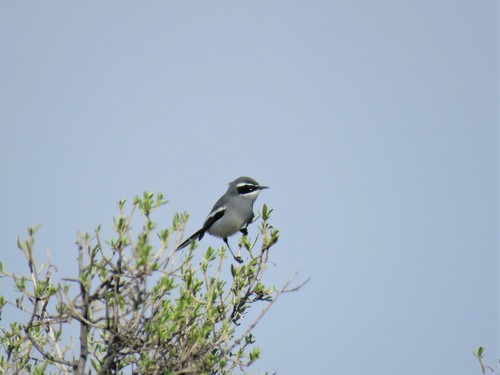 fairy flycatcher
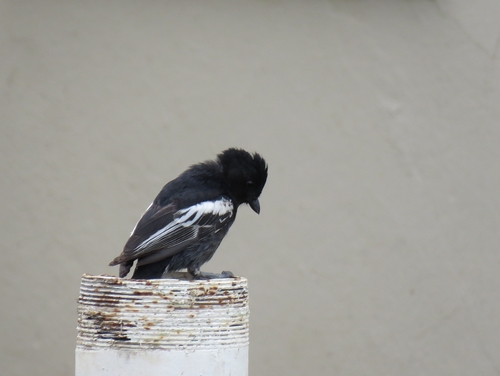 southern black-tit
Em resumo
A marca de campo mais confiável para separar o fairy flycatcher do southern black-tit é a combinação de tamanho e plumagem: o fairy flycatcher é muito menor, com uma impressionante máscara preta, supercílios brancos e uma longa faixa branca nas asas, enquanto o southern black-tit é mais de três vezes mais pesado, quase todo preto (macho) ou acinzentado (fêmea), e não possui branco na cauda ou um padrão facial forte. Os juvenis de fairy flycatcher são mais marrons, mas ainda mostram o rosto pálido e a faixa nas asas, enquanto os juvenis de southern black-tit não são descritos, mas provavelmente se assemelham a adultos mais apagados. Em voo ou empoleirado, a aparência pálida e padronizada do fairy flycatcher e sua construção delicada contrastam fortemente com a aparência sólida, robusta e monótona do tit. Se você ver um pequeno pássaro mascarado com uma asa listrada de branco e cauda com lados brancos, é um fairy flycatcher; um pássaro maior, quase todo preto ou cinza, com um rosto simples e sem branco na cauda é um southern black-tit.
Dicas de identificação
- Tamanho: O fairy flycatcher é minúsculo (5,9 g, 11–12 cm), o southern black-tit é muito maior (21 g, 16 cm). Se o pássaro parecer pequeno e delicado, incline-se para o fairy flycatcher; se for robusto e robusto, provavelmente é o tit.
- Padrão Facial: O fairy flycatcher tem uma máscara preta ousada e supercílios brancos, proporcionando um contraste facial impressionante. O southern black-tit tem um rosto simples, sem máscara ou supercílios—esta é uma marca chave em todas as idades.
- Padrão das Asas: O fairy flycatcher apresenta uma longa faixa branca nas asas, visível tanto empoleirado quanto em voo. O southern black-tit tem asas uniformemente escuras, sem faixa ou painel branco.
- Padrão da Cauda: A cauda do fairy flycatcher é preta com lados brancos, frequentemente piscando branco em voo ou quando aberta. O southern black-tit tem uma cauda escura simples, sem branco, mesmo nas bordas.
- Partes Inferiores: O fairy flycatcher é branco por baixo, com um peito cinza pálido e um tom cinza-rosado na barriga. O southern black-tit é monótono por baixo (azul-preto nos machos, acinzentado nas fêmeas), sem áreas pálidas ou lavadas.
- Dimorfismo Sexual: Ambos os sexos do fairy flycatcher são semelhantes. No southern black-tit, os machos são azul-preto, as fêmeas são mais acinzentadas, mas ambos são muito mais escuros do que qualquer fairy flycatcher.
- Plumagem Juvenil: O juvenil de fairy flycatcher é mais marron, mas mantém o rosto pálido e a faixa nas asas. O juvenil de southern black-tit não é descrito, mas espera-se que seja apagado, ainda sem branco na cauda/asa.
- Bico e Pernas: O fairy flycatcher tem um bico e pernas finos e pretos, combinando com sua construção delicada. O southern black-tit tem um bico mais robusto, típico dos tits, adequado ao seu corpo mais pesado.
- Comportamento: O fairy flycatcher é leve, ativo e balança a cauda; o southern black-tit é mais robusto, frequentemente acrobático, e forrageia como outros tits.
- Postura Empoleirada: O fairy flycatcher frequentemente aparece ereto com uma cauda longa, enquanto o southern black-tit empoleira-se mais horizontalmente e parece mais volumoso.
- Estilo de Voo: O fairy flycatcher faz voos curtos e rápidos; o southern black-tit tem um voo mais forte e direto.
- Habitat: O southern black-tit é um especialista em florestas; o fairy flycatcher está menos ligado a florestas densas, mas pode se sobrepor.
- Armadilhas: Não confie apenas na escuridão geral—fêmeas de southern black-tit podem parecer acinzentadas, mas ainda carecem do padrão facial e da faixa do fairy flycatcher. O juvenil de fairy flycatcher pode ser mais marron, mas sempre mostra o rosto pálido e o padrão das asas.
- Associação em Grupo: O southern black-tit pode se juntar a bandos mistos de tits; o fairy flycatcher é mais frequentemente solitário ou com pequenos insetívoros.
- Se em dúvida: Procure a combinação de pequeno tamanho, máscara preta e padrão branco nas asas/cauda para o fairy flycatcher; tamanho maior, plumagem escura simples e falta de padrão facial ou de cauda para o southern black-tit.
Tamanho
O fairy flycatcher é um pássaro minúsculo, pesando apenas cerca de 5,9 g, e mede 11–12 cm de comprimento. Em contraste, o southern black-tit é muito maior e mais pesado, com 21,0 g e cerca de 16 cm de comprimento. Essa diferença de tamanho é óbvia no campo: o fairy flycatcher parece delicado e esguio, enquanto o southern black-tit é robusto e volumoso, típico dos parídeos. Se ambos forem vistos lado a lado ou com espécies de referência familiares, o tit sempre parecerá substancialmente maior e mais volumoso.
Plumagem
- Juvenil/Imaturo: Os juvenis de fairy flycatcher são mais marrons no geral, mas mantêm o rosto pálido, a máscara preta e a faixa branca nas asas. Não há notas específicas para o juvenil de southern black-tit, mas provavelmente é uma versão mais apagada do adulto, ainda sem branco na cauda ou asa.
- Adulto: Os adultos de fairy flycatcher são cinza pálido por cima, com uma máscara preta nítida ao redor do olho, supercílios brancos e uma longa faixa branca nas asas. A cauda é preta com lados brancos, e as partes inferiores são brancas com um tom cinza-rosado. Os machos de southern black-tit são quase totalmente azul-preto, enquanto as fêmeas são mais acinzentadas, mas ainda monótonas. O tit não possui branco na cauda ou asa, e não tem máscara facial ou supercílios. A plumagem padronizada e contrastante do fairy flycatcher se destaca contra a escuridão uniforme do tit.
- Dimorfismo Sexual: Os sexos do fairy flycatcher são semelhantes. O southern black-tit apresenta algum dimorfismo: os machos são azul-preto, as fêmeas são mais acinzentadas, mas ambos são muito mais escuros e mais uniformes do que o fairy flycatcher.
Comportamento
O fairy flycatcher geralmente se move de maneira delicada e ágil, frequentemente balançando sua longa cauda e fazendo voos curtos e rápidos entre os poleiros. Seu comportamento é leve e ativo, combinando com seu pequeno tamanho. O southern black-tit se comporta mais como um tit típico—robusto, acrobático e frequentemente visto pendurado em galhos ou forrageando metódicamente através da folhagem. Os movimentos do tit são mais robustos e forçados, carecendo do estilo delicado e rápido do fairy flycatcher.
Habitat
Ambas as espécies podem ser encontradas no sul da África, mas o southern black-tit está especificamente associado a habitats florestais. O fairy flycatcher pode se sobrepor em algumas áreas, mas não é descrito como estritamente dependente de florestas. Se visto em florestas densas, especialmente com outras espécies de tit, o southern black-tit é mais provável, mas o habitat sozinho não é totalmente diagnóstico.
fairy flycatcher · southern black-tit · Minhas aves difíceis