

Fairy Flycatcher vs Southern Black-Tit
Stenostira scita contro Melaniparus niger
Fai un quiz con Fairy Flycatcher e Southern Black-Tit
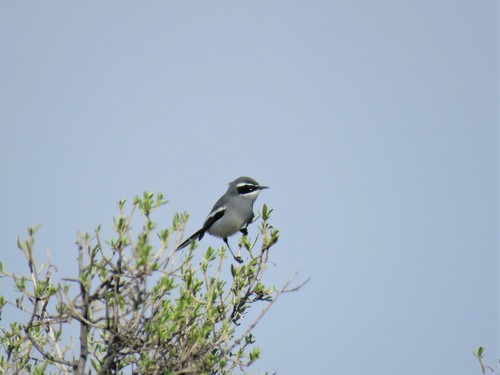 Fairy Flycatcher
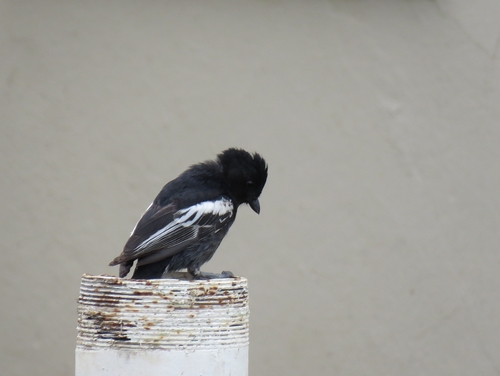 Southern Black-Tit
In breve
Il segno di campo più affidabile per separare il Fairy Flycatcher dal Southern Black-Tit è la combinazione di dimensioni e piumaggio: il Fairy Flycatcher è molto più piccolo, con una maschera nera sorprendente, un sopracciglio bianco e una lunga striscia bianca sulle ali, mentre il Southern Black-Tit è oltre tre volte più pesante, quasi tutto nero (maschio) o grigiastro (femmina), e non ha alcun bianco nella coda o un forte motivo facciale. I giovani Fairy Flycatcher sono più marroni ma mostrano ancora il volto pallido e la striscia bianca sulle ali, mentre i giovani Southern Black-Tit non sono descritti ma probabilmente assomigliano ad adulti più opachi. In volo o posati, l'aspetto pallido e decorato del Fairy Flycatcher e la sua struttura delicata contrastano nettamente con l'aspetto solido, massiccio e monotono del tit. Se vedi un uccello piccolo e mascherato con un'ala a strisce bianche e una coda con lati bianchi, è un Fairy Flycatcher; un uccello più grande, per lo più nero o grigio con un volto semplice e senza bianco nella coda è un Southern Black-Tit.
Consigli di identificazione
- Size: Il Fairy Flycatcher è minuscolo (5,9 g, 11–12 cm), il Southern Black-Tit è molto più grande (21 g, 16 cm). Se l'uccello sembra piccolo e delicato, inclina verso il Fairy Flycatcher; se massiccio e robusto, è probabile che sia il tit.
- Facial Pattern: Il Fairy Flycatcher ha una maschera nera audace e un sopracciglio bianco, dando un forte contrasto facciale. Il Southern Black-Tit ha un volto semplice senza maschera o sopracciglio—questo è un segno chiave in tutte le età.
- Wing Pattern: Il Fairy Flycatcher mostra una lunga striscia bianca sulle ali, visibile sia posato che in volo. Il Southern Black-Tit ha ali uniformemente scure senza striscia o pannello bianco.
- Tail Pattern: La coda del Fairy Flycatcher è nera con lati bianchi, spesso lampeggiando di bianco in volo o quando è aperta. Il Southern Black-Tit ha una coda scura semplice senza bianco, anche ai bordi.
- Underparts: Il Fairy Flycatcher è bianco sotto con un petto grigio chiaro e un lavaggio grigio-rosato sul ventre. Il Southern Black-Tit è monotono sotto (blu-nero nei maschi, grigiastro nelle femmine), privo di aree chiare o lavate.
- Sexual Dimorphism: Entrambi i sessi del Fairy Flycatcher si somigliano. Nel Southern Black-Tit, i maschi sono blu-neri, le femmine sono più grigie, ma entrambi sono molto più scuri di qualsiasi Fairy Flycatcher.
- Juvenile Plumage: Il giovane Fairy Flycatcher è più marrone ma mantiene il volto pallido e la striscia sulle ali. Il giovane Southern Black-Tit non è descritto ma si prevede che sia opaco, ancora privo di bianco nella coda/ala.
- Bill and Legs: Il Fairy Flycatcher ha un becco e zampe fini e neri, che si abbinano alla sua struttura delicata. Il Southern Black-Tit ha un becco più robusto tipico dei tit, adatto al suo corpo più pesante.
- Behavior: Il Fairy Flycatcher è leggero, attivo, e muove la coda; il Southern Black-Tit è più robusto, spesso acrobatico, e cerca cibo come gli altri tit.
- Perched Posture: Il Fairy Flycatcher appare spesso eretto con una lunga coda, mentre il Southern Black-Tit si posiziona più orizzontalmente e appare più massiccio.
- Flight Style: Il Fairy Flycatcher compie voli brevi e svolazzanti; il Southern Black-Tit ha un volo più forte e diretto.
- Habitat: Il Southern Black-Tit è uno specialista del bosco; il Fairy Flycatcher è meno legato a boschi densi ma può sovrapporsi.
- Pitfalls: Non fare affidamento solo sull'oscurità generale—la femmina del Southern Black-Tit può apparire grigiasta, ma manca ancora del motivo facciale e della striscia del Fairy Flycatcher. Il giovane Fairy Flycatcher può essere più marrone ma mostra sempre il volto pallido e il motivo delle ali.
- Group Association: Il Southern Black-Tit può unirsi a stormi misti di tit; il Fairy Flycatcher è più spesso solitario o con piccoli insetti.
- If in doubt: Cerca la combinazione di piccole dimensioni, maschera nera, e motivo bianco sulle ali/coda per il Fairy Flycatcher; dimensioni maggiori, piumaggio scuro semplice, e mancanza di motivo facciale o coda per il Southern Black-Tit.
Taglia
Il Fairy Flycatcher è un uccello minuscolo, che pesa solo circa 5,9 g e misura 11–12 cm di lunghezza. Al contrario, il Southern Black-Tit è molto più grande e pesante, a 21,0 g e circa 16 cm di lunghezza. Questa differenza di dimensioni è ovvia sul campo: il Fairy Flycatcher appare delicato e sottile, mentre il Southern Black-Tit è robusto e massiccio, tipico dei paridi. Se entrambi sono visti fianco a fianco o con specie di riferimento familiari, il tit apparirà sempre sostanzialmente più grande e massiccio.
Piumaggio
- Juvenile/Immature: I giovani Fairy Flycatcher sono più marroni in generale ma mantengono il volto pallido, la maschera nera e la striscia bianca sulle ali. Non ci sono note specifiche per il giovane Southern Black-Tit, ma è probabile che sia una versione più opaca dell'adulto, ancora privo di bianco nella coda o nell'ala.
- Adult: Gli adulti del Fairy Flycatcher sono grigi chiari sopra, con una maschera nera netta attraverso l'occhio, un sopracciglio bianco e una lunga striscia bianca sulle ali. La coda è nera con lati bianchi, e le parti inferiori sono bianche con un lavaggio grigio-rosato. I maschi del Southern Black-Tit sono quasi interamente blu-neri, mentre le femmine sono più grigie ma ancora monotone. Il tit non ha alcun bianco nella coda o nell'ala, e non ha maschera facciale o sopracciglio. Il piumaggio decorato e contrastante del Fairy Flycatcher si distingue contro l'oscurità uniforme del tit.
- Sexual Dimorphism: I sessi del Fairy Flycatcher sono simili. Il Southern Black-Tit mostra un certo dimorfismo: i maschi sono blu-neri, le femmine sono più grigie, ma entrambi sono molto più scuri e uniformi rispetto al Fairy Flycatcher.
Comportamento
Il Fairy Flycatcher si muove tipicamente in modo delicato e agile, spesso muovendo la sua lunga coda e compiendo voli brevi e svolazzanti tra i posatoi. Il suo comportamento è leggero e attivo, in linea con le sue piccole dimensioni. Il Southern Black-Tit si comporta più come un tit tipico—robusto, acrobatico, e spesso visto appeso ai rami o cercando cibo in modo metodico attraverso il fogliame. I movimenti del tit sono più massicci e forzati, privi dello stile delicato e svolazzante del fairy flycatcher.
Habitat
Entrambe le specie possono essere trovate nell'Africa meridionale, ma il Southern Black-Tit è specificamente associato agli habitat forestali. Il Fairy Flycatcher può sovrapporsi in alcune aree ma non è descritto come strettamente dipendente dai boschi. Se visto in boschi densi, specialmente con altre specie di tit, è più probabile che sia il Southern Black-Tit, ma l'habitat da solo non è completamente diagnostico.
Fairy Flycatcher · Southern Black-Tit · I miei uccelli difficili