

southern black-tit
Melaniparus niger
Tits, Chickadees, and Titmice (Paridae) · Passeriformes · Chapins
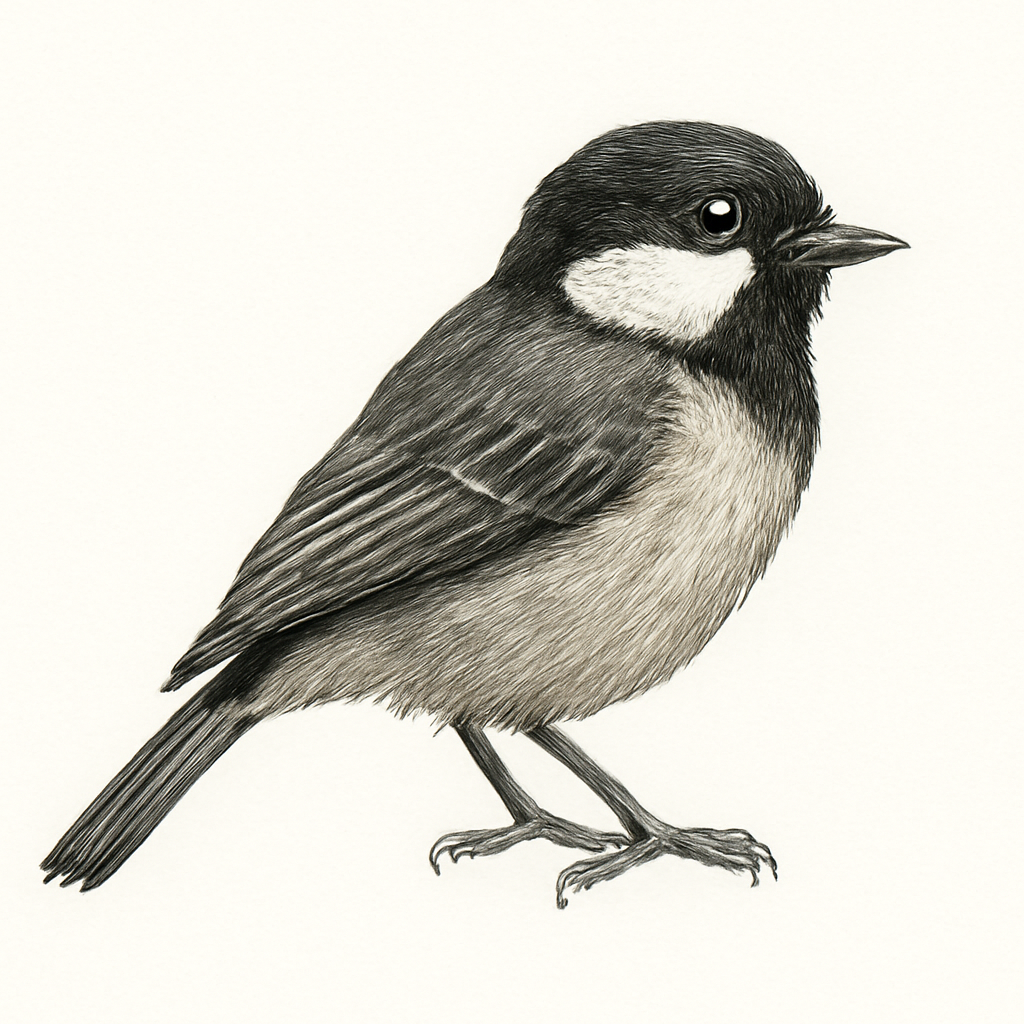
Jogue um quiz com southern black-tit e espécies parecidas
Ver todas as fotos, vídeos e sons
Revisão necessária
O Motmot é um projeto da comunidade, e muitas fotos ainda precisam de um olhar humano. Se você conhece esta ave, pode ajudar revisando as imagens.
O-o, os créditos de IA acabaram. Eu desenvolvo o Motmot no tempo livre, e agora não há financiamento. Se quiser ajudar a crescer, escreva para info@motmot.club.
Como identificar southern black-tit
Escrevendo as notas de identificação…
Isso busca notas de identificação em fontes abertas e pede ao modelo que as escreva. Pode levar um minuto.
Entre para gerar notas de identificação desta ave.
Muitas vezes confundido com
Nos quizzes, os jogadores mais confundem southern black-tit com estas aves—ou esta espécie foi escolhida por engano, ou o contrário.
| Espécies | Confusões |
|---|---|
| fairy flycatcher Stenostira scita | 5 |
| ashy tit Melaniparus cinerascens | 2 |
| vira-pedras Arenaria interpres | 1 |
| black harrier Circus maurus | 1 |
| gray cuckooshrike Ceblepyris caesius | 1 |
Família
The tits, chickadees, and titmice constitute the Paridae, a family of small passerine birds which occur mainly in the Northern Hemisphere and Africa. Many were formerly classified in the genus Parus. Eurasian and African members of this family are referred to as "tits", while North American species are called either "chickadees" (onomatopoeic, derived from their distinctive "chick-a dee dee dee" alarm call) or "titmouses", the latter being an older name that was used for all tits.
Ordem
A passerine () is any bird of the order Passeriformes (; from Latin passer 'sparrow' and formis '-shaped'), which includes more than half of all bird species. Sometimes known as perching birds, passerines generally have an anisodactyl arrangement of their toes (three pointing forward and one back), which facilitates perching. With more than 140 families and some 6,500 identified species, Passeriformes is the largest order of birds and one of the most diverse clades of terrestrial vertebrates, representing 60% of …