

Motmot

センニョヒタキ 対 ミナミクロガラ

Stenostira scita 対 Melaniparus niger

センニョヒタキとミナミクロガラのクイズ
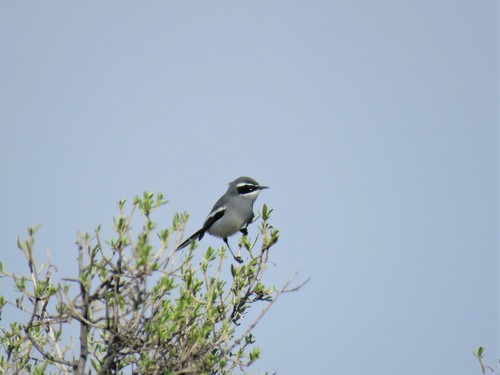
センニョヒタキ (Stenostira scita) センニョヒタキ
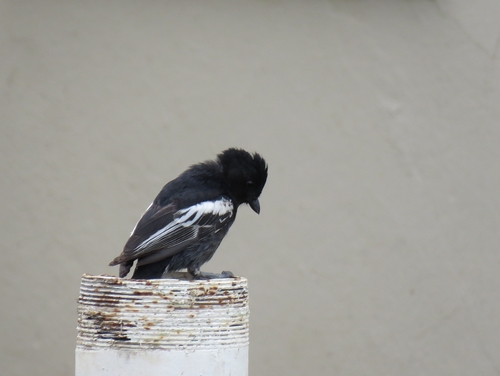
ミナミクロガラ (Melaniparus niger) ミナミクロガラ

メディア

読み込み中…

要点

フェアリーフライキャッチャーとミナミクロガラを区別する最も信頼できるフィールドマークは、サイズと羽毛の組み合わせです:フェアリーフライキャッチャーは非常に小さく、目を引く黒いマスク、白い眉斑、長い白い翼の縞模様を持っています。一方、ミナミクロガラは3倍以上の重さがあり、ほぼ全体が黒(オス)または灰色(メス)で、尾に白い部分や強い顔の模様がありません。幼鳥のフェアリーフライキャッチャーはより茶色ですが、依然として淡い顔と翼の縞模様を示します。ミナミクロガラの幼鳥は記載されていませんが、鈍い成鳥に似ていると考えられます。飛んでいるときや止まっているとき、フェアリーフライキャッチャーの淡い模様の外観と華奢な体型は、シジュウカラのしっかりとした、ずんぐりした、単調な外観と鋭く対比します。白い縞模様のある翼と白い側面の尾を持つ小さなマスクのある鳥を見たら、それはフェアリーフライキャッチャーです;大きく、ほぼ黒または灰色の鳥で、平坦な顔と尾に白がないのがミナミクロガラです。

識別のコツ

  1. サイズ: フェアリーフライキャッチャーは小型(5.9 g、11–12 cm)、ミナミクロガラははるかに大きい(21 g、16 cm)。鳥が小さくて繊細に見える場合はフェアリーフライキャッチャーに傾き、ずんぐりして頑丈に見える場合はシジュウカラの可能性が高いです。
  2. 顔の模様: フェアリーフライキャッチャーは大胆な黒いマスクと白い眉斑を持ち、目を引く顔のコントラストを与えます。ミナミクロガラはマスクや眉斑がない平坦な顔を持っており、これはすべての年齢での重要なマークです。
  3. 翼の模様: フェアリーフライキャッチャーは長い白い翼の縞模様を示し、止まっているときも飛んでいるときも見えます。ミナミクロガラは白い縞模様やパネルがない均一に暗い翼を持っています。
  4. 尾の模様: フェアリーフライキャッチャーの尾は黒で白い側面を持ち、飛んでいるときや扇状に広げたときに白がちらつくことがあります。ミナミクロガラは白がなく、平坦な暗い尾を持っています。
  5. 腹部: フェアリーフライキャッチャーは下側が白で、淡い灰色の胸と腹部にピンクがかった灰色の洗いがかかっています。ミナミクロガラは下側が単調(オスは青黒、メスは灰色がかっています)で、淡い部分や洗いがかかった部分がありません。
  6. 性差: フェアリーフライキャッチャーの両性は似ています。ミナミクロガラでは、オスは青黒、メスは灰色がかっていますが、どちらもフェアリーフライキャッチャーよりもはるかに暗くなっています。
  7. 幼鳥の羽毛: 幼鳥のフェアリーフライキャッチャーは茶色がかっていますが、淡い顔と翼の縞模様を保持しています。幼鳥のミナミクロガラは記載されていませんが、鈍い色で、尾や翼に白がないと予想されます。
  8. くちばしと足: フェアリーフライキャッチャーは細く黒いくちばしと足を持ち、繊細な体型に合っています。ミナミクロガラはシジュウカラに典型的なくっきりとしたくちばしを持ち、重い体に適しています。
  9. 行動: フェアリーフライキャッチャーは軽やかで活発で、尾を振ります;ミナミクロガラはより頑丈で、しばしばアクロバティックで、他のシジュウカラのように採餌します。
  10. 止まっている姿勢: フェアリーフライキャッチャーはしばしば直立して長い尾を持っているように見えますが、ミナミクロガラはより水平に止まり、よりずんぐりした外観を持っています。
  11. 飛行スタイル: フェアリーフライキャッチャーは短くてひらひらした飛行をします;ミナミクロガラはより強く、より直接的な飛行をします。
  12. 生息地: ミナミクロガラは森林の専門家です;フェアリーフライキャッチャーは密な森にあまり依存せず、重なることがあります。
  13. 落とし穴: 全体の暗さだけに頼らないでください—メスのミナミクロガラは灰色がかって見えることがありますが、フェアリーフライキャッチャーの顔の模様や翼の縞模様は欠けています。幼鳥のフェアリーフライキャッチャーは茶色がかることがありますが、常に淡い顔と翼の模様を示します。
  14. 群れの関連: ミナミクロガラは混合シジュウカラの群れに参加することがあります;フェアリーフライキャッチャーはより孤独または小さな昆虫食の鳥と一緒にいることが多いです。
  15. 疑わしい場合: フェアリーフライキャッチャーの小さなサイズ、黒いマスク、白い翼/尾の模様の組み合わせを探してください;ミナミクロガラの大きなサイズ、平坦な暗い羽毛、顔や尾の模様の欠如を探してください。

大きさ

フェアリーフライキャッチャーは小さな鳥で、重さは約5.9 g、長さは11–12 cmです。それに対して、ミナミクロガラははるかに大きく重く、21.0 gで約16 cmの長さです。このサイズの違いはフィールドで明らかです:フェアリーフライキャッチャーは繊細で小柄に見え、ミナミクロガラは頑丈でずんぐりしており、シジュウカラの典型的な特徴です。両者が並んで見られたり、馴染みのある参照種と一緒に見られたりすると、シジュウカラは常にかなり大きく、ずんぐりして見えます。

羽色

行動

フェアリーフライキャッチャーは通常、繊細で敏捷な動きで、しばしば長い尾を振り、止まり木の間を短くひらひらした飛行をします。その動きは軽やかで活発で、小さなサイズに合っています。ミナミクロガラは典型的なシジュウカラのように振る舞い、頑丈でアクロバティックで、しばしば枝からぶら下がったり、葉の中を計画的に採餌したりします。シジュウカラの動きはずんぐりしており、力強く、フェアリーフライキャッチャーの華奢でひらひらしたスタイルは欠けています。

生息環境

両種は南アフリカに生息していますが、ミナミクロガラは特に森林の生息地に関連しています。フェアリーフライキャッチャーは一部の地域で重なることがありますが、厳密に森林に依存しているとは記載されていません。特に他のシジュウカラ種と一緒に密な森林で見られる場合、ミナミクロガラの可能性が高いですが、生息地だけでは完全に診断できません。

より良い説明を送る

比較と同じ項目を使ってください。文章はすぐに公開されます。

The most reliable field mark to separate Fairy Flycatcher from Southern Black-Tit is the combination of size and plumage: Fairy Flycatcher is much smaller, with a striking black mask, white supercilium, and a long white wing stripe, while Southern Black-Tit is over three times heavier, nearly all black (male) or greyish (female), and lacks any white in the tail or a strong facial pattern. Juvenile Fairy Flycatchers are browner but still show the pale face and wing stripe, while Southern Black-Tit juveniles are not described but likely resemble duller adults. In flight or perched, the Fairy Flycatcher's pale, patterned look and dainty build contrast sharply with the tit's solid, chunky, monotone appearance. If you see a small, masked bird with a white-striped wing and white-sided tail, it's a Fairy Flycatcher; a larger, mostly black or grey bird with a plain face and no white in the tail is Southern Black-Tit.

  1. Size: Fairy Flycatcher is tiny (5.9 g, 11–12 cm), Southern Black-Tit is much larger (21 g, 16 cm). If the bird looks small and delicate, lean toward Fairy Flycatcher; if chunky and robust, it's likely the tit.
  2. Facial Pattern: Fairy Flycatcher has a bold black mask and white supercilium, giving a striking facial contrast. Southern Black-Tit has a plain face with no mask or supercilium—this is a key mark at all ages.
  3. Wing Pattern: Fairy Flycatcher shows a long white wing stripe, visible both perched and in flight. Southern Black-Tit has uniformly dark wings with no white stripe or panel.
  4. Tail Pattern: Fairy Flycatcher's tail is black with white sides, often flashing white in flight or when fanned. Southern Black-Tit has a plain dark tail with no white, even at the edges.
  5. Underparts: Fairy Flycatcher is white below with a pale grey breast and a pinkish-grey wash to the belly. Southern Black-Tit is monotone below (blue-black in males, greyish in females), lacking any pale or washed areas.
  6. Sexual Dimorphism: Both sexes of Fairy Flycatcher look alike. In Southern Black-Tit, males are blue-black, females are greyer, but both are much darker than any Fairy Flycatcher.
  7. Juvenile Plumage: Juvenile Fairy Flycatcher is browner but keeps the pale face and wing stripe. Juvenile Southern Black-Tit is not described but expected to be dull, still lacking white in tail/wing.
  8. Bill and Legs: Fairy Flycatcher has a fine, black bill and legs, matching its delicate build. Southern Black-Tit has a stouter bill typical of tits, suited to its heavier body.
  9. Behavior: Fairy Flycatcher is light, active, and flicks its tail; Southern Black-Tit is more robust, often acrobatic, and forages like other tits.
  10. Perched Posture: Fairy Flycatcher often appears upright with a long tail, while Southern Black-Tit perches more horizontally and looks bulkier.
  11. Flight Style: Fairy Flycatcher makes short, fluttery flights; Southern Black-Tit has a stronger, more direct flight.
  12. Habitat: Southern Black-Tit is a woodland specialist; Fairy Flycatcher is less tied to dense woods but can overlap.
  13. Pitfalls: Do not rely on overall darkness alone—female Southern Black-Tit can look greyish, but still lacks the Fairy Flycatcher's facial pattern and wing stripe. Juvenile Fairy Flycatcher can be browner but always shows the pale face and wing pattern.
  14. Group Association: Southern Black-Tit may join mixed tit flocks; Fairy Flycatcher is more often solitary or with small insectivores.
  15. If in doubt: Look for the combination of small size, black mask, and white wing/tail pattern for Fairy Flycatcher; larger size, plain dark plumage, and lack of facial or tail pattern for Southern Black-Tit.

Fairy Flycatcher is a tiny bird, weighing only about 5.9 g, and measures 11–12 cm in length. In contrast, Southern Black-Tit is much larger and heavier, at 21.0 g and about 16 cm long. This size difference is obvious in the field: Fairy Flycatcher appears delicate and slight, while Southern Black-Tit is robust and chunky, typical of parids. If both are seen side by side or with familiar reference species, the tit will always look substantially bigger and bulkier.

  • Juvenile/Immature: Juvenile Fairy Flycatchers are browner overall but retain the pale face, black mask, and white wing stripe. There are no specific notes for juvenile Southern Black-Tit, but it is likely a duller version of the adult, still lacking any white in the tail or wing.
  • Adult: Fairy Flycatcher adults are pale grey above, with a crisp black mask through the eye, white supercilium, and a long white wing stripe. The tail is black with white sides, and underparts are white with a pinkish-grey wash. Southern Black-Tit males are almost entirely blue-black, while females are greyer but still monotone. The tit lacks any white in the tail or wing, and has no facial mask or supercilium. The Fairy Flycatcher's patterned, contrasting plumage stands out against the tit's uniform darkness.
  • Sexual Dimorphism: Fairy Flycatcher sexes are alike. Southern Black-Tit shows some dimorphism: males are blue-black, females are greyer, but both are much darker and more uniform than Fairy Flycatcher.

Fairy Flycatcher typically moves in a delicate, agile manner, often flicking its long tail and making short, fluttery flights between perches. Its jizz is light and active, matching its small size. Southern Black-Tit behaves more like a typical tit—robust, acrobatic, and often seen hanging from branches or foraging methodically through foliage. The tit's movements are chunkier and more forceful, lacking the fairy flycatcher's dainty, flickering style.

Both species can be found in southern Africa, but Southern Black-Tit is specifically associated with woodland habitats. Fairy Flycatcher may overlap in some areas but is not described as strictly woodland-dependent. If seen in dense woodland, especially with other tit species, Southern Black-Tit is more likely, but habitat alone is not fully diagnostic.

変更を破棄しますか?

保存していない編集があります。今離れると失われます。

センニョヒタキ · ミナミクロガラ · 苦手な鳥