

milheirinha-europeia vs escrevedeira-amarela
Serinus serinus versus Emberiza citrinella
Jogue um quiz com milheirinha-europeia e escrevedeira-amarela
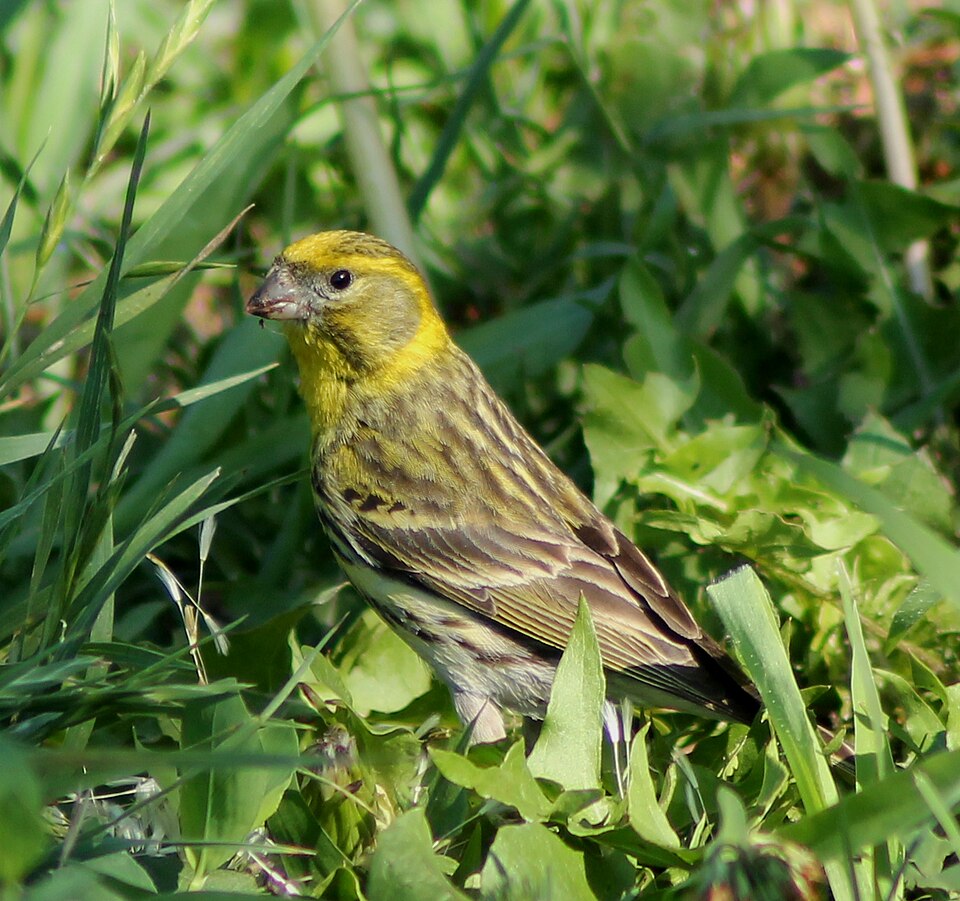 milheirinha-europeia
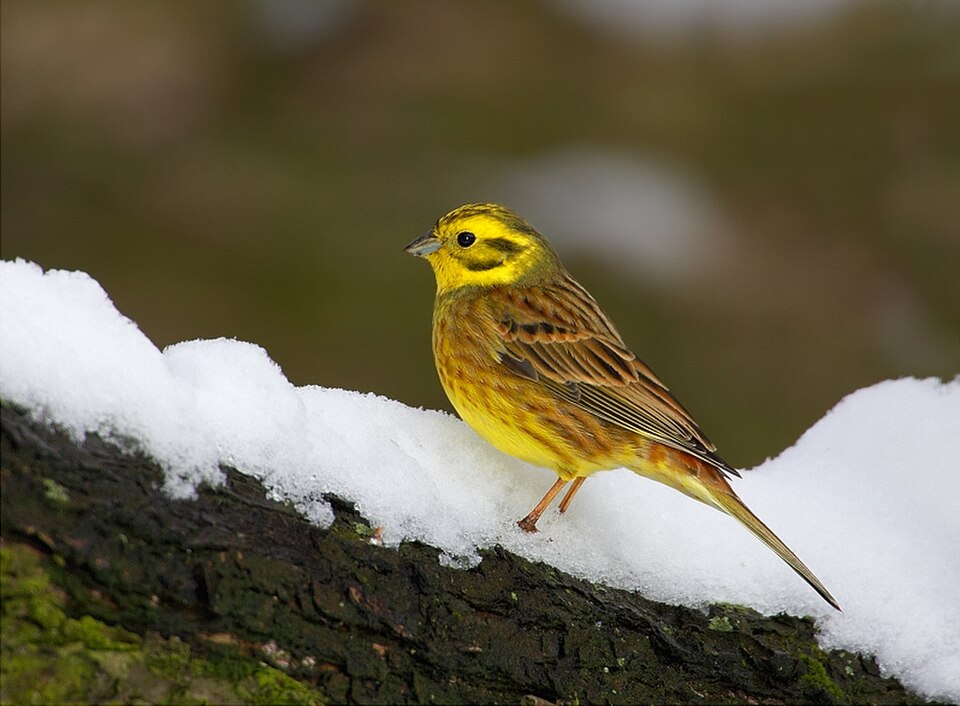 escrevedeira-amarela
Em resumo
A marca de campo mais confiável entre milheirinha-europeia e escrevedeira-amarela é o tamanho e a estrutura geral: milheirinha-europeia é um pequeno e compacto fringilídeo com um bico e cauda curtos e grossos, enquanto escrevedeira-amarela é um bunting muito maior, com cauda mais longa, corpo mais alongado e uma cabeça distintamente amarela nos machos adultos. Em voo ou à distância, a aparência pequena, riscada e verde-amarelada da milheirinha-europeia com um rabo amarelo contrasta fortemente com o tamanho maior da escrevedeira-amarela, rabo ruivo e (nos machos) cabeça amarela brilhante. Juvenis e fêmeas de ambas as espécies podem ser confusos, mas a milheirinha-europeia sempre parece mais compacta e não possui o rabo castanho da escrevedeira-amarela e penas brancas na cauda. Se você ver um pássaro com um forte rosto e peito amarelo, verifique o tamanho e o comprimento da cauda: a milheirinha-europeia é muito menor e com cauda mais curta. Em caso de dúvida, as diferenças estruturais e a cor do rabo são fundamentais.
Dicas de identificação
- O tamanho é a primeira verificação: milheirinha-europea é pequena e compacta, escrevedeira-amarela é grande e alongada. Se o pássaro parecer do tamanho de um pardal ou maior, exclua a milheirinha-europea.
- Comprimento e forma da cauda: milheirinha-europea tem uma cauda curta e grossa; escrevedeira-amarela tem uma cauda longa e reta, muitas vezes com penas brancas externas visíveis em voo ou quando aberta.
- Cor do rabo: milheirinha-europea apresenta um rabo amarelo (todas as idades), enquanto escrevedeira-amarela tem um rabo ruivo (adultos) ou rabo mais claro (juvenis/fêmeas).
- Branco na cauda: escrevedeira-amarela de todas as idades mostra penas brancas na cauda em voo; milheirinha-europea nunca faz isso.
- Cor da cabeça e do rosto (machos): o macho da milheirinha-europea tem um rosto e peito amarelos, mas o amarelo é irregular e cercado por listras; o macho da escrevedeira-amarela tem uma cabeça e partes inferiores amarelas limpas e brilhantes.
- Listras: Ambas podem ser listradas, mas a milheirinha-europea é listrada por toda parte, incluindo peito amarelo e barriga branca. A escrevedeira-amarela é listrada nas costas e flancos, mas a cabeça e partes inferiores amarelas geralmente são menos listradas (especialmente nos machos).
- Forma do bico: milheirinha-europea tem um bico pequeno, grosso e parecido com o de um fringilídeo; o bico da escrevedeira-amarela é cônico, mas mais longo e mais parecido com o de um bunting.
- Padrão de voo: o voo da milheirinha-europea é saltitante e ágil, muitas vezes em bandos apertados; o voo da escrevedeira-amarela é mais direto, com a cauda longa e penas brancas externas óbvias.
- Confusão juvenil: o juvenil da milheirinha-europea ainda é pequeno e mostra um rabo amarelado; o juvenil da escrevedeira-amarela é muito maior, mais opaco e não possui o rosto amarelo, mas tem um rabo claro ou ruivo e branco na cauda.
- Confusão feminina: a fêmea da milheirinha-europea é compacta e listrada com um rabo amarelado; a fêmea da escrevedeira-amarela é maior, mais listrada na coroa e flancos, e tem um rabo ruivo e branco na cauda.
- Contexto de habitat: a milheirinha-europea é mais provável em florestas abertas com coníferas ou áreas cultivadas com árvores; escrevedeira-amarela prefere terras agrícolas, cercas vivas e margens gramadas.
- Canto: o canto da milheirinha-europea é um trinado rápido e zumbidor; o da escrevedeira-amarela é uma frase lenta e repetitiva com um final prolongado.
- Mudanças sazonais: ambas as espécies são mais opacas fora da temporada de reprodução, mas o tamanho, a cauda e a cor do rabo permanecem confiáveis.
- Bandos mistos: a milheirinha-europea pode se juntar a bandos de fringilídeos no inverno; a escrevedeira-amarela é menos provável de se misturar com fringilídeos, mais frequentemente em grupos soltos de bunting.
- Em caso de dúvida: se você ver um pássaro amarelo riscado, verifique se há branco na cauda (escrevedeira-amarela), tamanho geral (milheirinha-europea é muito menor) e cor do rabo (amarelo na milheirinha-europea, ruivo ou claro na escrevedeira-amarela).
Tamanho
A milheirinha-europeia é muito menor, medindo 11–12 cm de comprimento, e é o menor fringilídeo europeu. Tem uma construção compacta e grossa. A escrevedeira-amarela é um grande bunting, medindo 16–16,5 cm de comprimento com uma envergadura de 23–29,5 cm, e pesa 20–36,5 g—quase o dobro da massa de uma milheirinha-europea. A escrevedeira-amarela parece visivelmente mais longa e robusta, e seu tamanho maior é óbvio quando ambas as espécies são vistas na mesma área. Mesmo um pássaro solitário deve parecer pequeno e compacto (milheirinha-europea) ou robusto e alongado (escrevedeira-amarela). [wikipedia][avonet]
Plumagem
- Pássaros juvenis/imaturos: Ambas as espécies podem parecer listradas e opacas, mas os juvenis da milheirinha-europea são sempre pequenos, com um rabo amarelado e partes inferiores fortemente listradas. Os juvenis da escrevedeira-amarela são muito maiores, mais opacos e menos amarelos no geral, com um rabo mais claro e partes superiores mais uniformes. As penas brancas externas da cauda da escrevedeira-amarela são visíveis em voo em todas as idades, enquanto a milheirinha-europea não possui essa característica.
- Machos adultos: Os machos da milheirinha-europea são amarelos brilhantes no rosto e peito, com barras amarelas nas asas e lados da cauda, mas permanecem fortemente listrados e pequenos. Os machos da escrevedeira-amarela têm uma cabeça e partes inferiores amarelas brilhantes, rabo ruivo e penas brancas externas na cauda, com um dorso marrom listrado. O amarelo da escrevedeira-amarela é mais extenso e limpo na cabeça, enquanto o amarelo da milheirinha-europea é mais irregular e mais confinado ao rosto, peito e rabo.
- Fêmeas: A fêmea da milheirinha-europea é mais opaca, mas ainda compacta e listrada com um rabo amarelado; a fêmea da escrevedeira-amarela é maior, mais listrada na coroa, peito e flancos, e tem um rabo ruivo e penas brancas externas na cauda. Ambas são menos brilhantes que os machos, mas o tamanho maior e a cauda mais longa da escrevedeira-amarela permanecem óbvios.
- Visões de voo: A milheirinha-europea mostra uma cauda curta e um rabo amarelo, sem branco na cauda. A escrevedeira-amarela mostra uma cauda longa com penas brancas externas e um rabo ruivo; o branco na cauda é uma boa marca de voo para a escrevedeira-amarela de qualquer idade.
Comportamento
A milheirinha-europea é ativa, muitas vezes conspícua, e forma bandos fora da temporada de reprodução, às vezes misturando-se com outros fringilídeos. É ágil, frequentemente pousando alto e fazendo voos curtos e saltitantes. A escrevedeira-amarela é mais provável de ser vista cantando de um arbusto ou árvore, ou se alimentando no chão ou em vegetação baixa. É menos provável de se juntar a bandos de fringilídeos e tende a ser mais solitária ou em grupos soltos. Os machos da escrevedeira-amarela são cantores territoriais, muitas vezes visíveis em poleiros expostos por longos períodos.
Habitat
A milheirinha-europea prefere florestas abertas e áreas cultivadas, muitas vezes com algumas coníferas, e é comum em regiões mediterrâneas e no sul/centro da Europa. É mais provável de ser encontrada em áreas com árvores ou arbustos dispersos. A escrevedeira-amarela prefere terras agrícolas, cercas vivas e bordas de florestas, frequentemente nidificando no chão ou perto dele em áreas gramadas ou arbustivas. Embora ambas possam usar áreas semi-abertas, a milheirinha-europea está mais associada a árvores e coníferas, enquanto a escrevedeira-amarela está mais associada a campos abertos, cercas e margens gramadas.
Voz
O canto da milheirinha-europea é um trinado rápido e zumbidor, muito familiar em países mediterrâneos e bastante diferente do canto da escrevedeira-amarela. O canto da escrevedeira-amarela é uma frase simples e repetitiva frequentemente descrita como ‘um pouco de pão e sem queijo’, com um final claro e prolongado. Os chamados também diferem: os chamados da milheirinha-europea são mais agudos e mais parecidos com os de um fringilídeo, enquanto os da escrevedeira-amarela são mais suaves e mais parecidos com os de um bunting.
milheirinha-europeia · escrevedeira-amarela · Minhas aves difíceis