

Motmot

セリン 対 キアオジ

Serinus serinus 対 Emberiza citrinella

セリンとキアオジのクイズ
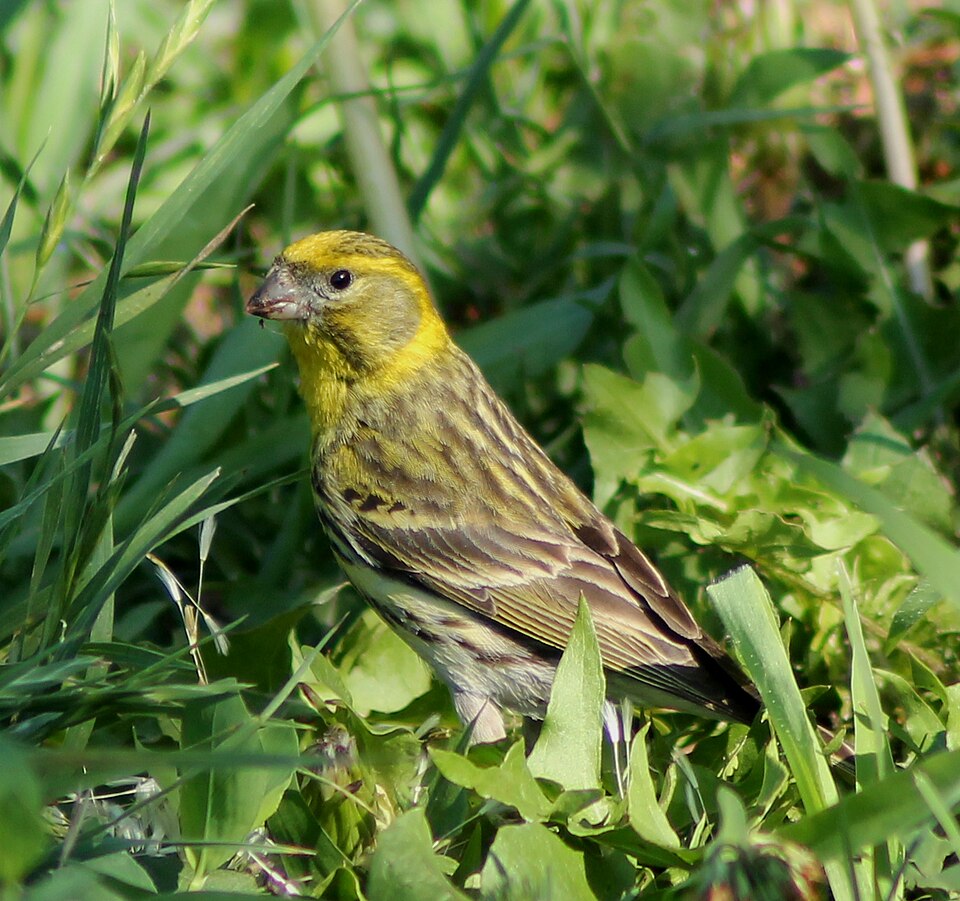
セリン (Serinus serinus) セリン
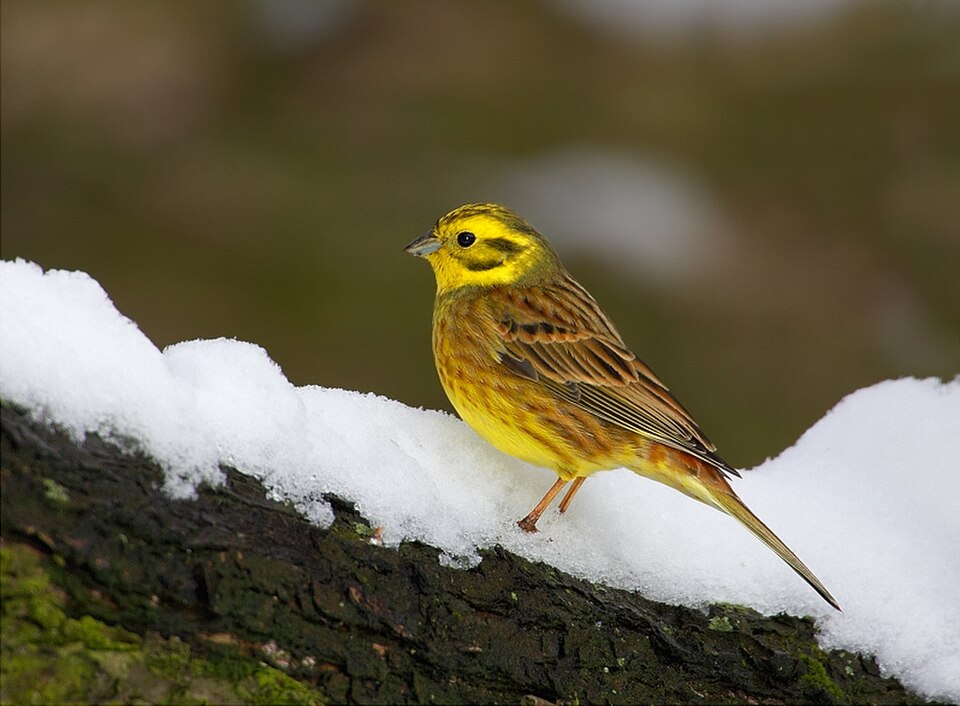
キアオジ (Emberiza citrinella) キアオジ

メディア

読み込み中…

要点

ヨーロッパセリンとキアオジの最も信頼できるフィールドマークは、全体のサイズと構造です:セリンは小さく、コンパクトなフィンチで、短くて太いくちばしと尾を持っていますが、キアオジははるかに大きく、尾が長いバンティングで、より細長い体と成鳥のオスには明確に黄色い頭があります。飛行中や遠くから見ると、セリンの小さく、ストライプのある緑がかった黄色の外観は、キアオジの大きなサイズ、赤褐色の尾、そして(オスでは)明るい黄色の頭と鋭く対比します。両種の幼鳥と雌は混乱を招くことがありますが、セリンは常によりコンパクトに見え、キアオジの栗色の尾と白い外尾羽が欠けています。強い黄色の顔と胸を持つ鳥を見たら、サイズと尾の長さを確認してください:セリンははるかに小さく、尾も短いです。疑わしい場合は、構造的な違いと尾の色が重要です。

識別のコツ

  1. サイズが最初のチェックです: セリンは小さくてコンパクトで、キアオジは大きくて細長いです。鳥がスズメサイズまたはそれ以上に見える場合は、セリンを除外してください。
  2. 尾の長さと形: セリンは短くて太い尾を持っています;キアオジは長くて真っ直ぐな尾を持ち、飛行中や扇状に広げたときに白い外羽が見えることがよくあります。
  3. 尾の色: セリンは黄色い尾を示します(すべての年齢)、一方、キアオジは赤褐色の尾(成鳥)または淡い尾(幼鳥/雌)を持っています。
  4. 尾に白: すべての年齢のキアオジは飛行中に白い外尾羽を示します;セリンは決してそうではありません。
  5. 頭と顔の色(オス): セリンのオスは黄色い顔と胸を持っていますが、黄色は斑点状でストライプに囲まれています;キアオジのオスはクリーンで明るい黄色の頭と腹部を持っています。
  6. ストライピング: 両方ともストライプがあることがありますが、セリンは全体にストライプがあり、黄色い胸と白い腹を含みます。キアオジは背中と側面にストライプがありますが、黄色い頭と腹部は通常、ストライプが少ないです(特にオスでは)。
  7. くちばしの形: セリンは小さくて太い、フィンチのようなくちばしを持っています;キアオジのくちばしは円錐形ですが、より長くてバンティングのようです。
  8. 飛行パターン: セリンの飛行は跳ねるようで敏捷で、しばしば密集した群れで見られます;キアオジの飛行はより直接的で、長い尾と白い外羽が目立ちます。
  9. 幼鳥の混乱: 幼鳥のセリンはまだ小さく、黄色がかった尾を示します;幼鳥のキアオジははるかに大きく、鈍く、黄色い顔が欠けていますが、淡いまたは赤褐色の尾と尾に白があります。
  10. 雌の混乱: 雌のセリンはコンパクトでストライプがあり、黄色がかった尾を持っています;雌のキアオジはより大きく、頭頂部と側面によりストライプがあり、赤褐色の尾と白い外尾羽を持っています。両方ともオスよりも明るさが少ないですが、キアオジの大きなサイズと長い尾は明らかです。
  11. 生息地の文脈: セリンは針葉樹のある開けた森林や樹木のある耕作地にいる可能性が高いです;キアオジは農地、ヘッジ、草地の土手を好みます。
  12. 歌: セリンの歌は速く、ブンブンとしたトリルです;キアオジの歌は遅く、繰り返しのフレーズで、引き伸ばされた終わりがあります。
  13. 季節の変化: 両種は繁殖期以外は鈍くなりますが、サイズ、尾、尾の色は信頼できます。
  14. 混合群れ: セリンは冬にフィンチの群れに加わることがあります;キアオジはフィンチと混ざる可能性が低く、より緩いバンティングの群れにいることが多いです。
  15. 疑わしい場合: ストライプのある黄色がかった鳥を見たら、尾に白があるか(キアオジ)、全体のサイズ(セリンははるかに小さい)、尾の色(黄色がセリン、赤褐色または淡いがキアオジ)を確認してください。

大きさ

ヨーロッパセリンははるかに小さく、長さは11〜12 cmで、最小のヨーロッパフィンチです。コンパクトで太い体型を持っています。キアオジは大きなバンティングで、長さは16〜16.5 cm、翼幅は23〜29.5 cm、体重は20〜36.5 g—ほぼセリンの2倍の質量です。キアオジは明らかに体が長く、尾が長く見え、両種が同じエリアで見られるときにはその大きさが明らかです。たとえ孤立した鳥でも、セリンは小さくてコンパクトに見えるか、キアオジは頑丈で細長く見えるべきです。[wikipedia][avonet]

羽色

行動

セリンは活発で、しばしば目立ち、繁殖期以外に群れを形成し、時には他のフィンチと混ざります。敏捷で、高いところに止まり、短く跳ねるような飛行をします。キアオジは茂みや木から歌っているのが見られることが多く、地面や低い植物で餌を食べています。フィンチと群れを作る可能性は低く、より孤立しているか、緩いグループにいる傾向があります。キアオジのオスは領土的な歌手で、しばしば長時間露出した止まり木に見えます。

生息環境

セリンは開けた森林や耕作地を好み、しばしば針葉樹があり、地中海地域や南/中央ヨーロッパで一般的です。散在する木や低木のある地域で見られる可能性が高いです。キアオジは農地、ヘッジ、森林の端を好み、しばしば草地や茂みのある地域で地面の上または近くに巣を作ります。両方とも半開放的な国を利用できますが、セリンは木や針葉樹により関連し、キアオジは開けた野原、ヘッジ、草地の土手に関連しています。

声

セリンの歌は速く、ブンブンとしたトリルで、地中海諸国では非常に馴染みがあり、キアオジの歌とはかなり異なります。キアオジの歌はシンプルで繰り返しのフレーズで、しばしば「少しのパンとチーズなし」と表現され、明確で引き伸ばされた終わりがあります。呼び声も異なります:セリンの呼び声は高音でフィンチのようですが、キアオジの呼び声は柔らかく、よりバンティングのようです。

より良い説明を送る

比較と同じ項目を使ってください。文章はすぐに公開されます。

The most reliable field mark between European Serin and Yellowhammer is overall size and structure: Serin is a tiny, compact finch with a short, stubby bill and tail, while Yellowhammer is a much larger, longer-tailed bunting with a more elongated body and a distinctly yellow head in adult males. In flight or at a distance, the Serin’s small, streaky, greenish-yellow appearance with a yellow rump contrasts sharply with the Yellowhammer’s larger size, rufous rump, and (in males) bright yellow head. Juveniles and females of both species can be confusing, but the Serin always appears more compact and lacks the Yellowhammer’s chestnut rump and white outer tail feathers. If you see a bird with a strong yellow face and breast, check for size and tail length: Serin is much smaller and shorter-tailed. When in doubt, structural differences and rump color are key.

  1. Size is the first check: Serin is tiny and compact, Yellowhammer is large and elongated. If the bird looks sparrow-sized or bigger, rule out Serin.
  2. Tail length and shape: Serin has a short, stubby tail; Yellowhammer has a long, straight tail, often with white outer feathers visible in flight or when fanned.
  3. Rump color: Serin shows a yellow rump (all ages), while Yellowhammer has a rufous rump (adults) or paler rump (juveniles/females).
  4. White in tail: Yellowhammer of all ages shows white outer tail feathers in flight; Serin never does.
  5. Head and face color (males): Serin male has a yellow face and breast, but the yellow is patchy and surrounded by streaks; Yellowhammer male has a clean, bright yellow head and underparts.
  6. Streaking: Both can be streaky, but Serin is streaked all over, including yellow breast and white belly. Yellowhammer is streaked on the back and flanks, but the yellow head and underparts are usually less streaked (especially in males).
  7. Bill shape: Serin has a small, stubby, finch-like bill; Yellowhammer’s bill is conical but longer and more bunting-like.
  8. Flight pattern: Serin’s flight is bounding and agile, often in tight flocks; Yellowhammer’s flight is more direct, with the long tail and white outer feathers obvious.
  9. Juvenile confusion: Juvenile Serin is still tiny and shows a yellowish rump; juvenile Yellowhammer is much larger, duller, and lacks the yellow face, but has a pale or rufous rump and white in the tail.
  10. Female confusion: Female Serin is compact and streaky with a yellowish rump; female Yellowhammer is larger, more streaked on the crown and flanks, and has a rufous rump and white in the tail.
  11. Habitat context: Serin is more likely in open woodland with conifers or cultivated areas with trees; Yellowhammer favors farmland, hedgerows, and grassy banks.
  12. Song: Serin’s song is a rapid, buzzing trill; Yellowhammer’s is a slow, repetitive phrase with a drawn-out ending.
  13. Seasonal changes: Both species are duller outside the breeding season, but size, tail, and rump color remain reliable.
  14. Mixed flocks: Serin may join finch flocks in winter; Yellowhammer is less likely to mix with finches, more often in loose bunting groups.
  15. When in doubt: If you see a streaky yellowish bird, check for white in the tail (Yellowhammer), overall size (Serin is much smaller), and rump color (yellow in Serin, rufous or pale in Yellowhammer).

European Serin is much smaller, measuring 11–12 cm in length, and is the smallest European finch. It has a compact, stubby build. Yellowhammer is a large bunting, 16–16.5 cm long with a 23–29.5 cm wingspan, and weighs 20–36.5 g—almost double the mass of a Serin. Yellowhammer looks noticeably longer-bodied and longer-tailed, and its larger size is obvious when both species are seen in the same area. Even a lone bird should look either tiny and compact (Serin) or robust and elongated (Yellowhammer). [wikipedia][avonet]

  • Juvenile/immature birds: Both species can look streaky and dull, but Serin juveniles are always small, with a yellowish rump and heavily streaked underparts. Juvenile Yellowhammers are much larger, duller, and less yellow overall, with a paler rump and more uniform upperparts. The Yellowhammer’s white outer tail feathers are visible in flight at all ages, while Serin lacks this feature.
  • Adult males: Serin males are bright yellow on the face and breast, with yellow wing bars and tail sides, but remain heavily streaked and small. Yellowhammer males have a bright yellow head and underparts, rufous rump, and white outer tail feathers, with a streaked brown back. The yellow of the Yellowhammer is more extensive and cleaner on the head, while Serin’s yellow is patchier and more confined to the face, breast, and rump.
  • Females: Female Serin is duller but still compact and streaky with a yellowish rump. Female Yellowhammer is larger, more streaked on crown, breast, and flanks, and has a rufous rump and white outer tail feathers. Both are less bright than males, but the Yellowhammer’s larger size and longer tail remain obvious.
  • Flight views: Serin shows a short tail and yellow rump, with no white in the tail. Yellowhammer shows a long tail with white outer feathers and a rufous rump; the white in the tail is a good flight mark for Yellowhammer of any age.

Serin is active, often conspicuous, and forms flocks outside the breeding season, sometimes mixing with other finches. It is agile, frequently perching high and making short, bounding flights. Yellowhammer is more likely to be seen singing from a bush or tree, or feeding on the ground or low vegetation. It is less likely to flock with finches and tends to be more solitary or in loose groups. Yellowhammer males are territorial singers, often visible on exposed perches for long periods.

Serin prefers open woodland and cultivated areas, often with some conifers, and is common in Mediterranean regions and southern/central Europe. It is more likely to be found in areas with scattered trees or shrubs. Yellowhammer favors farmland, hedgerows, and woodland edges, often nesting on or near the ground in grassy or bushy areas. While both can use semi-open country, Serin is more associated with trees and conifers, Yellowhammer with open fields, hedges, and grassy banks.

Serin’s song is a rapid, buzzing trill, very familiar in Mediterranean countries and quite different from the Yellowhammer’s song. Yellowhammer’s song is a simple, repetitive phrase often described as ‘a little bit of bread and no cheese’, with a clear, drawn-out ending. Calls also differ: Serin’s calls are higher-pitched and more finch-like, while Yellowhammer’s are softer and more bunting-like.

変更を破棄しますか?

保存していない編集があります。今離れると失われます。

セリン · キアオジ · 苦手な鳥