

Serín Verdecillo vs Escribano Cerillo
Serinus serinus frente a Emberiza citrinella
Juega un quiz con Serín Verdecillo y Escribano Cerillo
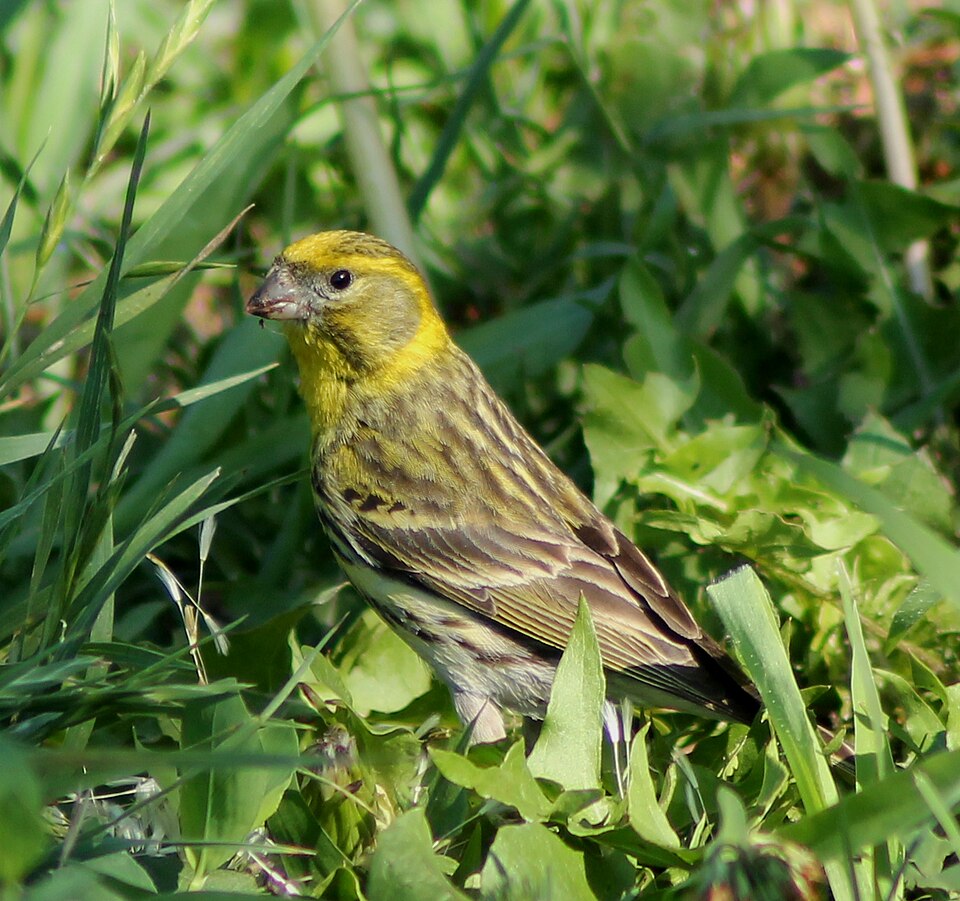 Serín Verdecillo
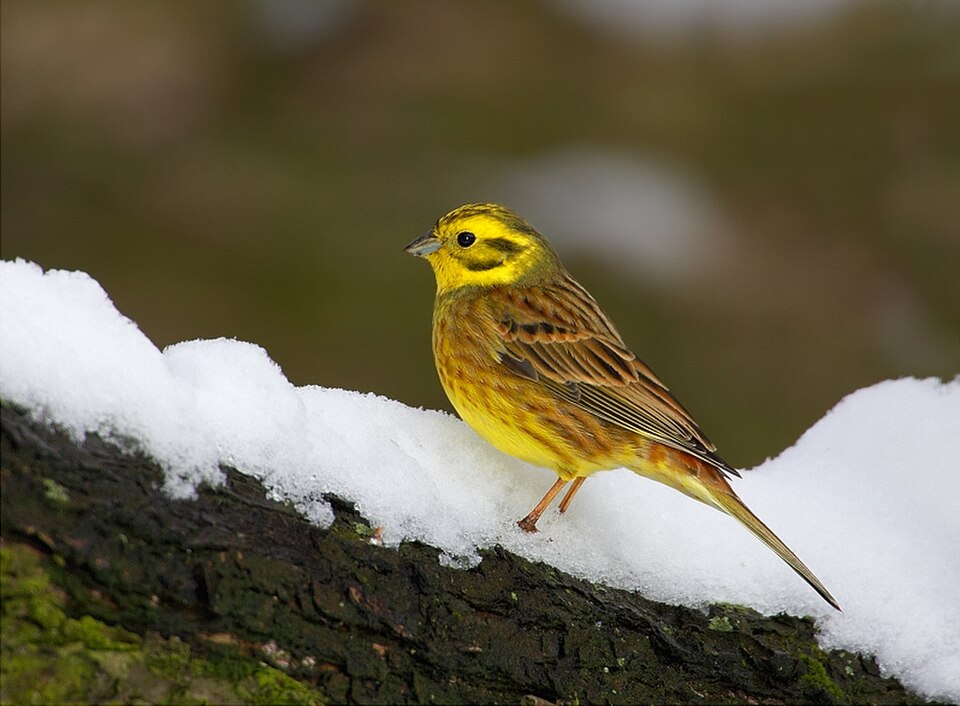 Escribano Cerillo
En breve
La marca de campo más confiable entre el Serín Verdecillo y el Escribano Cerillo es el tamaño y la estructura general: el Serín es un pequeño y compacto pinzón con un pico y una cola cortos y gruesos, mientras que el Escribano Cerillo es un bunting mucho más grande, con una cola más larga, un cuerpo más alargado y una cabeza distintivamente amarilla en los machos adultos. En vuelo o a distancia, la apariencia pequeña, rayada y amarillenta del Serín con un rabadilla amarilla contrasta marcadamente con el tamaño más grande del Escribano Cerillo, su rabadilla rufo y (en machos) su brillante cabeza amarilla. Los juveniles y las hembras de ambas especies pueden ser confusos, pero el Serín siempre parece más compacto y carece de la rabadilla castaña y las plumas exteriores de la cola blancas del Escribano Cerillo. Si ves un pájaro con una cara y un pecho amarillos intensos, verifica el tamaño y la longitud de la cola: el Serín es mucho más pequeño y tiene una cola más corta. En caso de duda, las diferencias estructurales y el color de la rabadilla son clave.
Consejos de identificación
- El tamaño es la primera verificación: El Serín es pequeño y compacto, el Escribano Cerillo es grande y alargado. Si el pájaro parece del tamaño de un gorrión o más grande, descarta el Serín.
- Longitud y forma de la cola: El Serín tiene una cola corta y gruesa; el Escribano Cerillo tiene una cola larga y recta, a menudo con plumas exteriores blancas visibles en vuelo o cuando se despliega.
- Color de la rabadilla: El Serín muestra una rabadilla amarilla (todas las edades), mientras que el Escribano Cerillo tiene una rabadilla rufo (adultos) o una rabadilla más pálida (juveniles/hembras).
- Blanco en la cola: El Escribano Cerillo de todas las edades muestra plumas exteriores blancas en la cola en vuelo; el Serín nunca lo hace.
- Color de la cabeza y la cara (machos): El macho de Serín tiene una cara y un pecho amarillos, pero el amarillo es irregular y está rodeado de rayas; el macho de Escribano Cerillo tiene una cabeza y partes inferiores de un amarillo brillante y limpio.
- Rayado: Ambos pueden ser rayados, pero el Serín está rayado por todas partes, incluyendo el pecho amarillo y el vientre blanco. El Escribano Cerillo está rayado en la espalda y los flancos, pero la cabeza amarilla y las partes inferiores suelen estar menos rayadas (especialmente en machos).
- Forma del pico: El Serín tiene un pico pequeño, grueso y parecido al de un pinzón; el pico del Escribano Cerillo es cónico pero más largo y más parecido al de un bunting.
- Patrón de vuelo: El vuelo del Serín es saltarín y ágil, a menudo en bandadas compactas; el vuelo del Escribano Cerillo es más directo, con la cola larga y las plumas exteriores blancas evidentes.
- Confusión juvenil: El juvenil de Serín sigue siendo pequeño y muestra una rabadilla amarillenta; el juvenil de Escribano Cerillo es mucho más grande, más apagado y carece de la cara amarilla, pero tiene una rabadilla pálida o rufo y blanco en la cola.
- Confusión femenina: La hembra de Serín es compacta y rayada con una rabadilla amarillenta; la hembra de Escribano Cerillo es más grande, más rayada en la corona y los flancos, y tiene una rabadilla rufo y blanco en la cola.
- Contexto de hábitat: El Serín es más probable que se encuentre en bosques abiertos con coníferas o áreas cultivadas con árboles; el Escribano Cerillo prefiere tierras agrícolas, setos y bancos herbosos.
- Canto: El canto del Serín es un trino rápido y zumbante; el del Escribano Cerillo es una frase lenta y repetitiva con un final prolongado.
- Cambios estacionales: Ambas especies son más apagadas fuera de la temporada de cría, pero el tamaño, la cola y el color de la rabadilla siguen siendo confiables.
- Bandadas mixtas: El Serín puede unirse a bandadas de pinzones en invierno; el Escribano Cerillo es menos probable que se mezcle con pinzones, más a menudo en grupos sueltos de bunting.
- En caso de duda: Si ves un pájaro amarillento y rayado, verifica si hay blanco en la cola (Escribano Cerillo), el tamaño general (el Serín es mucho más pequeño) y el color de la rabadilla (amarillo en el Serín, rufo o pálido en el Escribano Cerillo).
Tamaño
El Serín Verdecillo es mucho más pequeño, midiendo 11–12 cm de longitud, y es el pinzón europeo más pequeño. Tiene una construcción compacta y gruesa. El Escribano Cerillo es un bunting grande, de 16–16.5 cm de largo con una envergadura de 23–29.5 cm, y pesa entre 20–36.5 g—casi el doble de la masa de un Serín. El Escribano Cerillo parece notablemente más largo de cuerpo y de cola, y su tamaño más grande es obvio cuando ambas especies se ven en la misma área. Incluso un pájaro solitario debería parecer ya sea pequeño y compacto (Serín) o robusto y alargado (Escribano Cerillo). [wikipedia][avonet]
Plumaje
- Pájaros juveniles/inmaduros: Ambas especies pueden parecer rayadas y apagadas, pero los juveniles de Serín siempre son pequeños, con una rabadilla amarillenta y partes inferiores fuertemente rayadas. Los juveniles de Escribano Cerillo son mucho más grandes, más apagados y menos amarillos en general, con una rabadilla más pálida y partes superiores más uniformes. Las plumas exteriores blancas de la cola del Escribano Cerillo son visibles en vuelo a todas las edades, mientras que el Serín carece de esta característica.
- Machos adultos: Los machos de Serín son de un amarillo brillante en la cara y el pecho, con barras amarillas en las alas y lados de la cola, pero siguen siendo fuertemente rayados y pequeños. Los machos de Escribano Cerillo tienen una cabeza y partes inferiores de un amarillo brillante, rabadilla rufo y plumas exteriores blancas en la cola, con una espalda marrón rayada. El amarillo del Escribano Cerillo es más extenso y limpio en la cabeza, mientras que el amarillo del Serín es más irregular y está más confinado a la cara, el pecho y la rabadilla.
- Hembras: La hembra de Serín es más apagada pero sigue siendo compacta y rayada con una rabadilla amarillenta; la hembra de Escribano Cerillo es más grande, más rayada en la corona, el pecho y los flancos, y tiene una rabadilla rufo y plumas exteriores blancas en la cola. Ambas son menos brillantes que los machos, pero el tamaño más grande y la cola más larga del Escribano Cerillo siguen siendo evidentes.
- Vistas de vuelo: El Serín muestra una cola corta y una rabadilla amarilla, sin blanco en la cola. El Escribano Cerillo muestra una cola larga con plumas exteriores blancas y una rabadilla rufo; el blanco en la cola es una buena marca de vuelo para el Escribano Cerillo de cualquier edad.
Comportamiento
El Serín es activo, a menudo conspicuo, y forma bandadas fuera de la temporada de cría, a veces mezclándose con otros pinzones. Es ágil, frecuentemente posándose alto y realizando vuelos cortos y saltarines. El Escribano Cerillo es más probable que se vea cantando desde un arbusto o árbol, o alimentándose en el suelo o en vegetación baja. Es menos probable que se agrupe con pinzones y tiende a ser más solitario o en grupos sueltos. Los machos de Escribano Cerillo son cantores territoriales, a menudo visibles en perchas expuestas durante largos períodos.
Hábitat
El Serín prefiere bosques abiertos y áreas cultivadas, a menudo con algunos coníferas, y es común en regiones mediterráneas y en el sur/centro de Europa. Es más probable que se encuentre en áreas con árboles o arbustos dispersos. El Escribano Cerillo prefiere tierras agrícolas, setos y bordes de bosques, a menudo anidando en o cerca del suelo en áreas herbosas o arbustivas. Mientras que ambos pueden utilizar campos semi-abiertos, el Serín está más asociado con árboles y coníferas, el Escribano Cerillo con campos abiertos, setos y bancos herbosos.
Voz
El canto del Serín es un trino rápido y zumbante, muy familiar en los países mediterráneos y bastante diferente del canto del Escribano Cerillo. El canto del Escribano Cerillo es una frase simple y repetitiva a menudo descrita como ‘un poco de pan y nada de queso’, con un final claro y prolongado. Los llamados también difieren: los llamados del Serín son de tono más alto y más parecidos a los de un pinzón, mientras que los del Escribano Cerillo son más suaves y más parecidos a los de un bunting.