

Verzellino vs Zigolo giallo
Serinus serinus contro Emberiza citrinella
Fai un quiz con Verzellino e Zigolo giallo
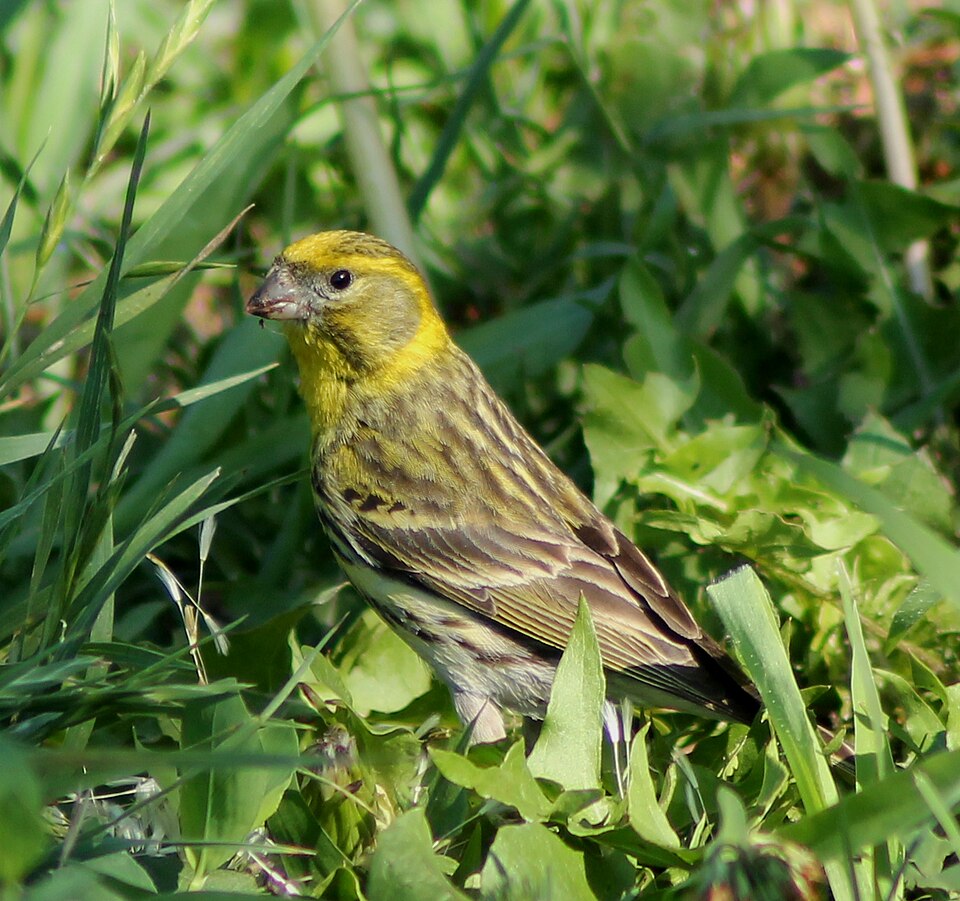 Verzellino
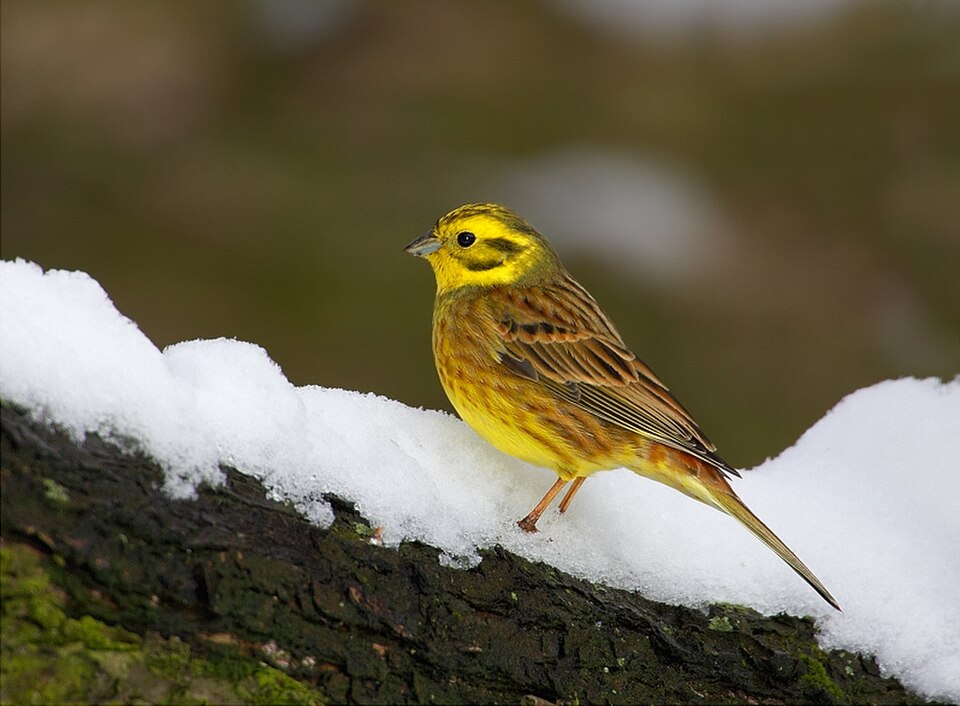 Zigolo giallo
In breve
Il segno di campo più affidabile tra Verzellino e Zigolo giallo è la dimensione e la struttura complessiva: il Verzellino è un piccolo, compatto fringillide con un becco e una coda corti e tozzi, mentre lo Zigolo giallo è un bunting molto più grande, con una coda più lunga, un corpo più allungato e una testa distintamente gialla nei maschi adulti. In volo o da lontano, l'aspetto piccolo, striato e giallo-verde del Verzellino con un sottocoda giallo contrasta nettamente con la dimensione maggiore dello Zigolo giallo, il sottocoda ruggine e (nei maschi) la testa gialla brillante. I giovani e le femmine di entrambe le specie possono essere confusi, ma il Verzellino appare sempre più compatto e manca del sottocoda castano e delle piume esterne bianche della coda dello Zigolo giallo. Se vedi un uccello con un forte viso e petto giallo, controlla la dimensione e la lunghezza della coda: il Verzellino è molto più piccolo e ha una coda più corta. In caso di dubbio, le differenze strutturali e il colore del sottocoda sono fondamentali.
Consigli di identificazione
- La dimensione è il primo controllo: Il Verzellino è piccolo e compatto, lo Zigolo giallo è grande e allungato. Se l'uccello sembra delle dimensioni di un passero o più grande, escludi il Verzellino.
- Lunghezza e forma della coda: Il Verzellino ha una coda corta e tozza; lo Zigolo giallo ha una coda lunga e dritta, spesso con piume esterne bianche visibili in volo o quando è aperta.
- Colore del sottocoda: Il Verzellino mostra un sottocoda giallo (tutte le età), mentre lo Zigolo giallo ha un sottocoda ruggine (adulti) o un sottocoda più chiaro (giovani/femmine).
- Bianco nella coda: Lo Zigolo giallo di tutte le età mostra piume esterne bianche nella coda in volo; il Verzellino non lo fa mai.
- Colore della testa e del viso (maschi): Il maschio del Verzellino ha un viso e un petto gialli, ma il giallo è macchiato e circondato da striature; il maschio dello Zigolo giallo ha una testa e parti inferiori gialle pulite e brillanti.
- Striature: Entrambi possono essere striati, ma il Verzellino è striato ovunque, compreso il petto giallo e il ventre bianco. Lo Zigolo giallo è striato sulla schiena e sui fianchi, ma la testa gialla e le parti inferiori sono solitamente meno striate (soprattutto nei maschi).
- Forma del becco: Il Verzellino ha un piccolo becco tozzo simile a quello di un fringillide; il becco dello Zigolo giallo è conico ma più lungo e più simile a quello di un bunting.
- Schema di volo: Il volo del Verzellino è saltellante e agile, spesso in stormi compatti; il volo dello Zigolo giallo è più diretto, con la lunga coda e le piume esterne bianche evidenti.
- Confusione giovanile: Il giovane Verzellino è ancora piccolo e mostra un sottocoda giallastro; il giovane Zigolo giallo è molto più grande, più opaco e privo del viso giallo, ma ha un sottocoda pallido o ruggine e bianco nella coda.
- Confusione femminile: La femmina del Verzellino è compatta e striata con un sottocoda giallastro; la femmina dello Zigolo giallo è più grande, più striata sulla corona e sui fianchi, e ha un sottocoda ruggine e bianco nella coda.
- Contesto dell'habitat: Il Verzellino è più probabile in boschi aperti con conifere o aree coltivate con alberi; lo Zigolo giallo favorisce terreni agricoli, siepi e sponde erbose.
- Canto: Il canto del Verzellino è un rapido trillo ronzante; quello dello Zigolo giallo è una frase lenta e ripetitiva con una conclusione prolungata.
- Cambiamenti stagionali: Entrambe le specie sono più opache al di fuori della stagione riproduttiva, ma la dimensione, la coda e il colore del sottocoda rimangono affidabili.
- Stormi misti: Il Verzellino può unirsi a stormi di fringillidi in inverno; lo Zigolo giallo è meno probabile che si mescoli con i fringillidi, più spesso in gruppi di bunting sciolti.
- In caso di dubbio: Se vedi un uccello striato giallastro, controlla se ci sono piume bianche nella coda (Zigolo giallo), la dimensione complessiva (il Verzellino è molto più piccolo) e il colore del sottocoda (giallo nel Verzellino, ruggine o pallido nello Zigolo giallo).
Taglia
Il Verzellino è molto più piccolo, misurando 11–12 cm di lunghezza, ed è il più piccolo fringillide europeo. Ha una struttura compatta e tozza. Lo Zigolo giallo è un grande bunting, lungo 16–16,5 cm con un'apertura alare di 23–29,5 cm, e pesa 20–36,5 g—quasi il doppio della massa di un Verzellino. Lo Zigolo giallo appare visibilmente più lungo nel corpo e nella coda, e la sua dimensione maggiore è ovvia quando entrambe le specie sono viste nella stessa area. Anche un solo uccello dovrebbe apparire o piccolo e compatto (Verzellino) o robusto e allungato (Zigolo giallo). [wikipedia][avonet]
Piumaggio
- Giovani/uccelli immaturi: Entrambe le specie possono apparire striate e opache, ma i giovani Verzellini sono sempre piccoli, con un sottocoda giallastro e parti inferiori fortemente striate. I giovani Zigoli gialli sono molto più grandi, più opachi e meno gialli in generale, con un sottocoda più chiaro e parti superiori più uniformi. Le piume esterne bianche della coda dello Zigolo giallo sono visibili in volo a tutte le età, mentre il Verzellino manca di questa caratteristica.
- Maschi adulti: I maschi del Verzellino sono gialli brillanti sul viso e sul petto, con barre alari gialle e lati della coda, ma rimangono fortemente striati e piccoli. I maschi dello Zigolo giallo hanno una testa e parti inferiori gialle brillanti, un sottocoda ruggine e piume esterne bianche della coda, con una schiena marrone striata. Il giallo dello Zigolo giallo è più esteso e pulito sulla testa, mentre il giallo del Verzellino è più macchiato e più confinato al viso, al petto e al sottocoda.
- Femmine: La femmina del Verzellino è più opaca ma ancora compatta e striata con un sottocoda giallastro; la femmina dello Zigolo giallo è più grande, più striata sulla corona, sul petto e sui fianchi, e ha un sottocoda ruggine e piume esterne bianche della coda. Entrambe sono meno brillanti dei maschi, ma la maggiore dimensione e la coda più lunga dello Zigolo giallo rimangono evidenti.
- Visioni in volo: Il Verzellino mostra una coda corta e un sottocoda giallo, senza bianco nella coda. Lo Zigolo giallo mostra una coda lunga con piume esterne bianche e un sottocoda ruggine; il bianco nella coda è un buon segno di volo per lo Zigolo giallo di qualsiasi età.
Comportamento
Il Verzellino è attivo, spesso evidente, e forma stormi al di fuori della stagione riproduttiva, a volte mescolandosi con altri fringillidi. È agile, frequentemente posandosi in alto e facendo brevi voli saltellanti. Lo Zigolo giallo è più probabile vederlo cantare da un cespuglio o da un albero, o nutrirsi a terra o in vegetazione bassa. È meno probabile che si unisca a stormi di fringillidi e tende a essere più solitario o in gruppi sciolti. I maschi dello Zigolo giallo sono cantori territoriali, spesso visibili su posatoi esposti per lunghi periodi.
Habitat
Il Verzellino preferisce boschi aperti e aree coltivate, spesso con alcune conifere, ed è comune nelle regioni mediterranee e nell'Europa meridionale/centrale. È più probabile trovarlo in aree con alberi o arbusti sparsi. Lo Zigolo giallo favorisce terreni agricoli, siepi e bordi boschivi, spesso nidificando a terra o vicino al suolo in aree erbose o cespugliose. Sebbene entrambe le specie possano utilizzare paesaggi semi-aperti, il Verzellino è più associato ad alberi e conifere, mentre lo Zigolo giallo è più legato a campi aperti, siepi e sponde erbose.
Voce
Il canto del Verzellino è un rapido trillo ronzante, molto familiare nei paesi mediterranei e piuttosto diverso dal canto dello Zigolo giallo. Il canto dello Zigolo giallo è una frase semplice e ripetitiva spesso descritta come ‘un po' di pane e niente formaggio’, con una conclusione chiara e prolungata. Anche i richiami differiscono: i richiami del Verzellino sono più acuti e più simili a quelli di un fringillide, mentre quelli dello Zigolo giallo sono più morbidi e più simili a quelli di un bunting.