

alvéola-amarela-oriental vs alvéola-citrina
Motacilla tschutschensis versus Motacilla citreola
Jogue um quiz com alvéola-amarela-oriental e alvéola-citrina
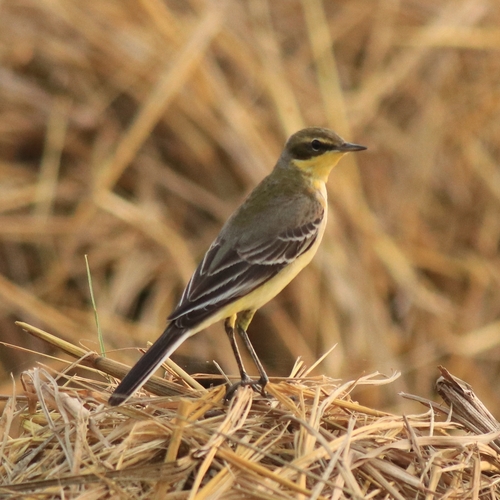 alvéola-amarela-oriental
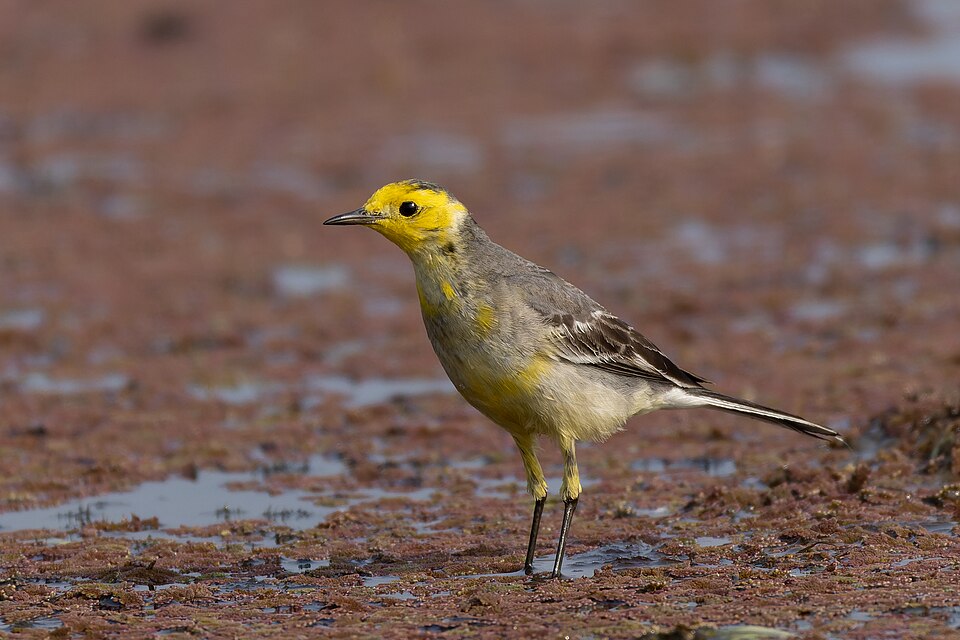 alvéola-citrina
Em resumo
A marca de campo mais confiável para separar a alvéola-amarela-oriental da alvéola-citrina é o padrão da cabeça e das partes superiores dos adultos em reprodução: os machos da alvéola-amarela-oriental apresentam partes superiores verde-oliva e padrões de cabeça variáveis, enquanto os machos da alvéola-citrina têm uma cabeça amarelo brilhante (exceto pela nuca preta) e partes superiores cinzas ou pretas contrastantes. Em plumagens não reprodutivas e imaturas, ambas as espécies podem apresentar amarelo diluído abaixo e cabeças mais claras, mas a alvéola-citrina frequentemente retém um supercílio amarelado em uma cabeça acastanhada, enquanto a alvéola-amarela-oriental é geralmente mais apagada e carece do forte contraste facial. A estrutura e o tamanho são muito semelhantes, mas diferenças sutis no padrão da cabeça e na coloração das partes superiores são fundamentais, especialmente na primavera e no verão. As aves juvenis e de inverno são mais complicadas, mas a atenção cuidadosa ao padrão da cabeça e ao tom das partes superiores pode ajudar.
Dicas de identificação
- Padrão da cabeça do macho em reprodução: Na primavera e no início do verão, os machos da alvéola-citrina têm uma cabeça amarelo brilhante (exceto pela nuca preta), enquanto os machos da alvéola-amarela-oriental apresentam padrões de cabeça variáveis (cinza, branco ou amarelo), mas nunca a cabeça totalmente amarela com nuca preta. Esta é a marca de campo mais confiável para machos adultos.
- Cor das partes superiores em adultos: A alvéola-amarela-oriental é verde-oliva acima, enquanto a alvéola-citrina é cinza ou preta acima na plumagem de reprodução. Este contraste é mais óbvio em boa luz.
- Padrão das asas em adultos: A alvéola-citrina apresenta branco nas remiges (penas de voo), que podem aparecer como um painel de asa pálido em voo ou quando empoleirada. A alvéola-amarela-oriental carece desse forte contraste branco na asa.
- Padrão da cabeça em fêmeas e não reprodutivas: No outono e no inverno, a alvéola-citrina frequentemente apresenta um supercílio amarelado em uma cabeça acastanhada, enquanto a alvéola-amarela-oriental é geralmente mais uniforme e carece de um supercílio forte. Procure uma sobrancelha pálida e contraste facial na alvéola-citrina.
- Cor das partes inferiores: Ambas as espécies podem apresentar partes inferiores amarelas, mas na plumagem não reprodutiva isso é frequentemente diluído por branco em ambas. A alvéola-citrina pode reter mais amarelo no rosto e no supercílio.
- Aves juvenis/imaturas: Ambas são apagadas e acastanhadas, mas os juvenis da alvéola-citrina frequentemente mostram um tom amarelado no rosto e no supercílio, enquanto os juvenis da alvéola-amarela-oriental são mais simples e acastanhados. Isso é sutil e nem sempre confiável.
- Cor do bico e das pernas: Ambas as espécies têm bicos e pernas escuros; isso não é útil para separação.
- Cauda e garra traseira: A alvéola-amarela-oriental tem uma garra traseira longa, não fortemente curvada (diagnóstica em relação à alvéola-amarela, mas não em relação à alvéola-citrina). Não é útil para separar essas duas no campo.
- Tamanho e estrutura: Ambas são aves esbeltas e de cauda longa de tamanho semelhante; a estrutura não é diagnóstica.
- Habitat e distribuição: Ambas utilizam prados úmidos e campo aberto, e ambas podem ocorrer como vagantes na Europa ocidental no outono e no inverno. Não confie apenas no habitat ou na distribuição onde ambas são possíveis.
- Vocalizações: A alvéola-amarela-oriental tem um chamado mais agudo e áspero do que a alvéola-amarela, mas nenhuma diferença distintiva da alvéola-citrina é notada nas fontes. Use com cautela.
- Armadilhas: Fêmeas e imaturas de ambas as espécies são muito semelhantes e podem ser extremamente difíceis de separar no campo. O padrão da cabeça (supercílio, contraste facial) e o tom das partes superiores são as melhores pistas, mas cuidado com sobreposições e variações individuais.
- Efeitos sazonais: Machos em reprodução são mais fáceis de separar; aves não reprodutivas e imaturas são muito mais desafiadoras. Sempre considere a época do ano e a probabilidade de encontrar cada plumagem.
- Variação entre subespécies: A alvéola-amarela-oriental apresenta considerável variação no padrão da cabeça por subespécie, que pode ocasionalmente se aproximar da alvéola-citrina em brilho, mas nunca iguala a cabeça totalmente amarela com nuca preta.
- Aves inconclusivas: Se você tiver uma alvéola apagada e acastanhada com padrão facial limitado e sem contraste claro nas partes superiores, pode não ser possível identificar a espécie com confiança no campo. Fotografe e documente tais aves para revisão de especialistas.
Tamanho
Ambas as espécies são alvéolas esbeltas com caudas longas e constantemente balançando, e proporções muito semelhantes. A alvéola-amarela-oriental mede 15–16 cm de comprimento, enquanto a alvéola-citrina é ligeiramente mais longa, medindo 15,5–17 cm. Essa sobreposição de tamanho significa que o comprimento e o volume não são confiáveis para separação no campo. A cor do bico e das pernas é escura em adultos, e a aparência geral é semelhante.
Plumagem
-
Machos adultos em reprodução: A alvéola-amarela-oriental é verde-oliva acima com amarelo abaixo, e o padrão da cabeça varia por subespécie (às vezes com cinza, branco ou amarelo na cabeça). Os machos da alvéola-citrina em reprodução são muito mais impressionantes: amarelo brilhante em toda a cabeça (exceto pela nuca preta), com partes superiores cinzas ou pretas, branco nas asas e amarelo vívido abaixo. Esse contraste entre a cabeça e as partes superiores é diagnóstico na primavera e no início do verão.
-
Fêmeas e aves não reprodutivas: Ambas as espécies tornam-se mais apagadas, com partes inferiores amarelas diluídas por branco. As fêmeas da alvéola-amarela-oriental e as de primeiro inverno são geralmente verde-oliva-acastanhadas acima com cabeças mais claras, enquanto a alvéola-citrina apresenta uma cabeça acastanhada com um supercílio amarelado e partes inferiores pálidas mais contrastantes. As fêmeas de ambas as espécies podem ser muito semelhantes, mas a alvéola-citrina tende a mostrar um supercílio pálido mais distinto e menos verde-oliva acima.
-
Juvenis/imaturas: Ambas são mais apagadas e menos padronizadas, mas os juvenis da alvéola-citrina frequentemente mostram um tom amarelado no rosto e no supercílio, enquanto os juvenis da alvéola-amarela-oriental são mais simples e acastanhados no geral. O padrão das asas superiores não é descrito como distintivamente diferente para essas idades nas notas disponíveis.
Comportamento
Ambas as espécies compartilham o comportamento típico das alvéolas: ativas, se alimentando no chão e constantemente balançando suas longas caudas. O voo é ondulante e direto, e ambas as espécies são geralmente vistas em habitats abertos e úmidos. Nenhuma grande diferença comportamental é notada nas fontes para separação em campo.
Habitat
Ambas as espécies se reproduzem no Paleártico e migram para o Sul da Ásia no inverno, frequentemente utilizando prados úmidos, tundra e campo aberto semelhantes. A alvéola-amarela-oriental se reproduz mais a leste (incluindo o Alasca), enquanto a alvéola-citrina é mais central no Paleártico, mas está se expandindo para o oeste. Ambas podem ocorrer como vagantes na Europa ocidental, especialmente no outono e no inverno, então o habitat sozinho não é um separador confiável onde as distribuições se sobrepõem.
Voz
A alvéola-amarela-oriental emite um chamado agudo 'zrri' ou 'jeet', descrito como mais estridente e áspero do que a alvéola-amarela. Nenhuma vocalização distintiva é descrita para a alvéola-citrina nas notas fornecidas, portanto, a voz não é um separador confiável entre essas duas com base nas informações atuais.
alvéola-amarela-oriental · alvéola-citrina · Minhas aves difíceis