

Motmot

ツメナガセキレイ 対 キガシラセキレイ

Motacilla tschutschensis 対 Motacilla citreola

ツメナガセキレイとキガシラセキレイのクイズ
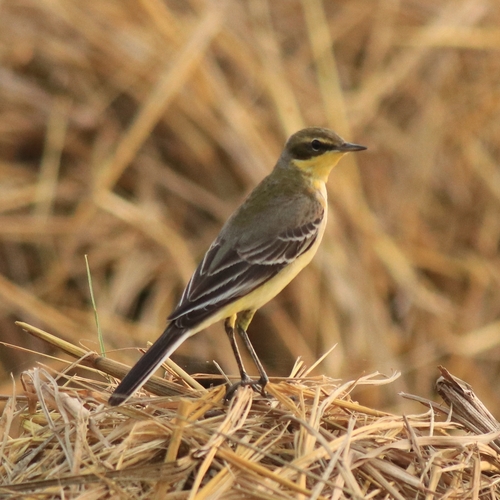
ツメナガセキレイ (Motacilla tschutschensis) ツメナガセキレイ
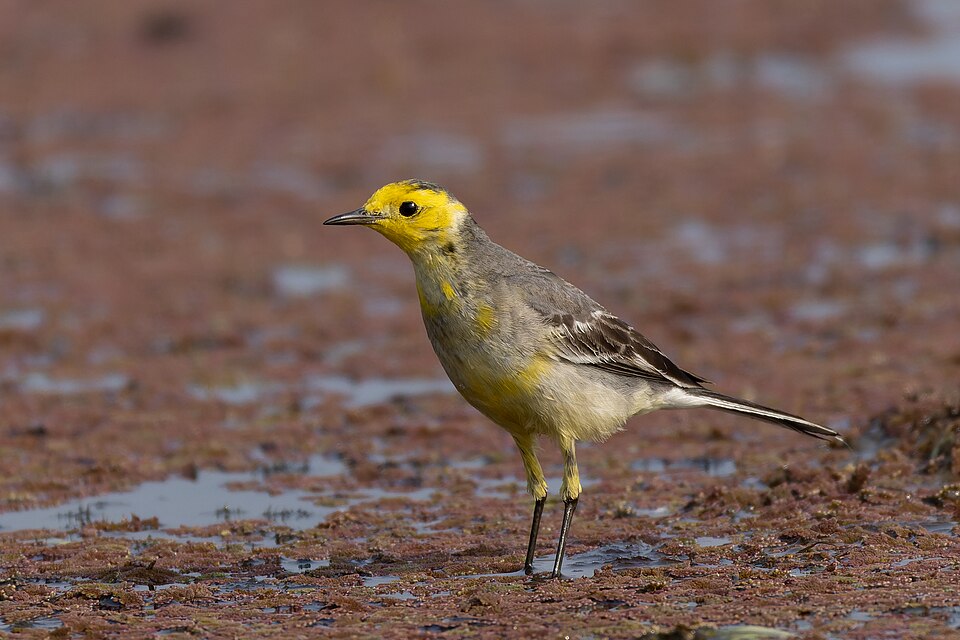
キガシラセキレイ (Motacilla citreola) キガシラセキレイ

メディア

読み込み中…

要点

キガシラセキレイとツメナガセキレイを区別するための最も信頼できるフィールドマークは、繁殖期の成鳥の頭部と上面のパターンです:ツメナガセキレイのオスはオリーブグリーンの上面と変化のある頭部パターンを示し、キガシラセキレイのオスは目を引く明るい黄色の頭(黒い後頭部を除く)と対照的な灰色または黒の上面を持っています。非繁殖期および未成熟の羽毛では、両種ともに下部に薄い黄色とより淡い頭部を示すことがありますが、キガシラセキレイはしばしば茶色の頭に黄色がかった眉斑を保持し、ツメナガセキレイは一般的に鈍く、強い顔のコントラストが欠けています。構造とサイズは非常に似ていますが、頭部パターンと上面の色合いの微妙な違いが重要で、特に春と夏において顕著です。幼鳥と冬の鳥はより難しいですが、頭部パターンと上面のトーンに注意を払うことで助けになります。

識別のコツ

  1. Breeding male head pattern: 春と初夏には、キガシラセキレイのオスは明るい黄色の頭(黒い後頭部を除く)を持ち、ツメナガセキレイのオスは変化のある頭部パターン(灰色、白、または黄色)を示しますが、黒い後頭部を持つ完全な黄色の頭は決してありません。これは成鳥のオスにとって最も信頼できるフィールドマークです。
  2. Upperpart color in adults: ツメナガセキレイは上面がオリーブグリーンで、キガシラセキレイは繁殖羽毛で灰色または黒です。このコントラストは良い光の中で最も明らかです。
  3. Wing pattern in adults: キガシラセキレイは飛翔羽(飛ぶ羽)に白を示し、飛んでいる時や止まっている時に淡い翼のパネルとして見えることがあります。ツメナガセキレイは翼にこの強い白のコントラストが欠けています。
  4. Non-breeding and female head pattern: 秋と冬には、キガシラセキレイは茶色の頭に黄色がかった眉斑を示すことが多いですが、ツメナガセキレイは一般的により均一で強い眉斑が欠けています。キガシラセキレイの淡い眉と顔のコントラストを探してください。
  5. Underpart color: 両種ともに黄色の下部を示すことがありますが、非繁殖羽毛では両方とも白によって薄められることが多いです。キガシラセキレイは顔と眉により多くの黄色を保持することがあります。
  6. Juvenile/immature birds: 両方とも鈍く茶色がかっていますが、キガシラセキレイの幼鳥は顔と眉に黄色がかった洗いを示すことが多く、ツメナガセキレイの幼鳥は全体的により地味で茶色です。これは微妙で、常に信頼できるわけではありません。
  7. Bill and leg color: 両種ともに暗いくちばしと脚を持っており、これは区別には役立ちません。
  8. Tail and hind claw: ツメナガセキレイは長く、強く曲がっていない後爪を持ち(ニシツメナガセキレイからの診断的特徴ですが、キガシラセキレイからはそうではありません)。これら二つをフィールドで区別するのには役立ちません。
  9. Size and structure: 両方ともスレンダーで長い尾を持つ鳥で、サイズは似ています;構造は診断的ではありません。
  10. Habitat and range: 両方とも湿った草地や開けた国を利用し、両方とも秋と冬に西ヨーロッパで迷鳥として発生することがあります。両方が可能な場合、単独で生息地や範囲に頼らないでください。
  11. Vocalizations: ツメナガセキレイはニシツメナガセキレイよりも高音で、よりざらざらした鳴き声を持っていますが、キガシラセキレイとの明確な違いは資料には記載されていません。注意して使用してください。
  12. Pitfalls: 両種の雌と未成熟個体は非常に似ており、フィールドで区別するのが非常に難しいことがあります。頭部パターン(眉斑、顔のコントラスト)と上面のトーンが最良の手がかりですが、重複や個体差に注意してください。
  13. Seasonal effects: 繁殖期のオスは最も簡単に区別できます;非繁殖期および未成熟の鳥ははるかに挑戦的です。常に年の時期と各羽毛に出会う可能性を考慮してください。
  14. Subspecies variation: ツメナガセキレイは亜種によって頭部パターンにかなりの変異を示し、時にはキガシラセキレイの明るさに近づくことがありますが、黒い後頭部を持つ完全な黄色の頭には決して一致しません。
  15. Inconclusive birds: 限られた顔のパターンと明確な上面のコントラストがない地味で茶色がかったセキレイがいる場合、フィールドで自信を持って種を特定することはできないかもしれません。そのような鳥を写真に撮り、専門家のレビューのために文書化してください。

大きさ

両種ともにスレンダーなセキレイで、長く常に揺れている尾を持ち、非常に似た比率を持っています。ツメナガセキレイは15–16 cmの長さで、キガシラセキレイは15.5–17 cmでわずかに長いです。このサイズの重なりは、フィールドでの区別において長さと体積が信頼できないことを意味します。成鳥のくちばしと脚の色はどちらも暗く、全体的な印象は似ています。

羽色

行動

両種ともに典型的なセキレイの行動を共有しています:活発で、地面を食べ、長い尾を常に揺らしています。飛行は波状で直接的であり、両種は通常、開けた湿地に見られます。フィールドでの区別のための資料には、主要な行動の違いは記載されていません。

生息環境

両種ともにユーラシア大陸で繁殖し、冬には南アジアに移動し、しばしば似たような湿った草地、ツンドラ、開けた国を利用します。ツメナガセキレイはさらに東(アラスカを含む)で繁殖し、キガシラセキレイはユーラシア大陸の中央にいますが、西に拡大しています。両方とも西ヨーロッパで迷鳥として発生することがあり、特に秋と冬において、したがって生息地だけでは範囲が重なる場合の信頼できる区別にはなりません。

声

ツメナガセキレイは高音の「zrri」または「jeet」と呼ばれる鳴き声を出し、ニシツメナガセキレイよりも高音でざらざらしたと説明されています。提供されたメモにはキガシラセキレイのための特有の鳴き声は記載されていないため、現在の情報に基づいてこれら二つの間で声は信頼できる区別にはなりません。

より良い説明を送る

比較と同じ項目を使ってください。文章はすぐに公開されます。

The most reliable field mark for separating Eastern Yellow Wagtail from Citrine Wagtail is the head and upperpart pattern of breeding adults: Eastern Yellow Wagtail males show olive-green upperparts and variable head patterns, while Citrine Wagtail males have a strikingly bright yellow head (except for a black nape) and contrasting grey or black upperparts. In non-breeding and immature plumages, both species can show diluted yellow below and paler heads, but Citrine Wagtail often retains a yellowish supercilium on a brownish head, while Eastern Yellow Wagtail is generally duller and lacks the strong facial contrast. Structure and size are very similar, but subtle differences in head pattern and upperpart coloration are key, especially in spring and summer. Juvenile and winter birds are trickier, but careful attention to head pattern and upperpart tone can help.

  1. Breeding male head pattern: In spring and early summer, Citrine Wagtail males have a bright yellow head (except for a black nape), while Eastern Yellow Wagtail males show variable head patterns (grey, white, or yellow) but never the full yellow head with black nape. This is the single most reliable field mark for adult males.
  2. Upperpart color in adults: Eastern Yellow Wagtail is olive-green above, while Citrine Wagtail is grey or black above in breeding plumage. This contrast is most obvious in good light.
  3. Wing pattern in adults: Citrine Wagtail shows white in the remiges (flight feathers), which can appear as a pale wing panel in flight or when perched. Eastern Yellow Wagtail lacks this strong white contrast in the wing.
  4. Non-breeding and female head pattern: In autumn and winter, Citrine Wagtail often shows a yellowish supercilium on a brownish head, while Eastern Yellow Wagtail is generally more uniform and lacks a strong supercilium. Look for a pale eyebrow and facial contrast in Citrine.
  5. Underpart color: Both species can show yellow underparts, but in non-breeding plumage this is often diluted by white in both. Citrine Wagtail may retain more yellow on the face and supercilium.
  6. Juvenile/immature birds: Both are dull and brownish, but Citrine Wagtail juveniles often show a yellowish wash to the face and supercilium, while Eastern Yellow Wagtail juveniles are plainer and browner. This is subtle and not always reliable.
  7. Bill and leg color: Both species have dark bills and legs; this is not helpful for separation.
  8. Tail and hind claw: Eastern Yellow Wagtail has a long, not strongly curved hind claw (diagnostic from Western Yellow Wagtail, but not from Citrine). Not useful for separating these two in the field.
  9. Size and structure: Both are slender, long-tailed birds of similar size; structure is not diagnostic.
  10. Habitat and range: Both use wet meadows and open country, and both can occur as vagrants in western Europe in autumn and winter. Do not rely on habitat or range alone where both are possible.
  11. Vocalizations: Eastern Yellow Wagtail has a shriller, more rasping call than Western Yellow Wagtail, but no distinctive difference from Citrine Wagtail is noted in the sources. Use with caution.
  12. Pitfalls: Females and immatures of both species are very similar and can be extremely difficult to separate in the field. Head pattern (supercilium, facial contrast) and upperpart tone are the best clues, but beware of overlap and individual variation.
  13. Seasonal effects: Breeding males are easiest to separate; non-breeding and immature birds are much more challenging. Always consider the time of year and the likelihood of encountering each plumage.
  14. Subspecies variation: Eastern Yellow Wagtail shows considerable variation in head pattern by subspecies, which can occasionally approach Citrine Wagtail in brightness, but never matches the full yellow head with black nape.
  15. Inconclusive birds: If you have a drab, brownish wagtail with limited facial pattern and no clear upperpart contrast, it may not be possible to identify to species with confidence in the field. Photograph and document such birds for expert review.

Both species are slender wagtails with long, constantly wagging tails and very similar proportions. Eastern Yellow Wagtail is 15–16 cm in length, while Citrine Wagtail is slightly longer at 15.5–17 cm. This size overlap means that length and bulk are not reliable for separation in the field. Bill and leg color are both dark in adults, and overall jizz is similar.

  • Breeding adult males: Eastern Yellow Wagtail is olive-green above with yellow below, and head pattern varies by subspecies (sometimes with grey, white, or yellow on the head). Citrine Wagtail breeding males are much more striking: bright yellow on the entire head (except for a black nape), with grey or black upperparts, white in the wings, and vivid yellow below. This head and upperpart contrast is diagnostic in spring and early summer.

  • Females and non-breeding birds: Both species become duller, with yellow underparts diluted by white. Eastern Yellow Wagtail females and first-winters are generally olive-brown above with paler heads, while Citrine Wagtail shows a brownish head with a yellowish supercilium and more contrasting pale underparts. Females of both species can be very similar, but Citrine Wagtail tends to show a more distinct pale supercilium and less olive above.

  • Juveniles/immatures: Both are duller and less patterned, but Citrine Wagtail juveniles often show a yellowish wash to the face and supercilium, while Eastern Yellow Wagtail juveniles are plainer and browner overall. Upperwing pattern is not described as distinctively different for these ages in the available notes.

Both species share the typical wagtail behavior: active, ground-feeding, and constantly wagging their long tails. Flight is undulating and direct, and both species are usually seen in open, wet habitats. No major behavioral differences are noted in the sources for field separation.

Both species breed in the Palearctic and migrate to South Asia for the winter, often using similar wet meadows, tundra, and open country. Eastern Yellow Wagtail breeds further east (including Alaska), while Citrine Wagtail is more central in the Palearctic but is expanding westward. Both can occur as vagrants in western Europe, especially in autumn and winter, so habitat alone is not a reliable separator where ranges overlap.

Eastern Yellow Wagtail gives a high-pitched 'zrri' or 'jeet' call, described as shriller and more rasping than Western Yellow Wagtail. No distinctive vocalization is described for Citrine Wagtail in the provided notes, so voice is not a reliable separator between these two based on current information.

変更を破棄しますか?

保存していない編集があります。今離れると失われます。

ツメナガセキレイ · キガシラセキレイ · 苦手な鳥