

Lavandera de Chukotka vs Lavandera Cetrina
Motacilla tschutschensis frente a Motacilla citreola
Juega un quiz con Lavandera de Chukotka y Lavandera Cetrina
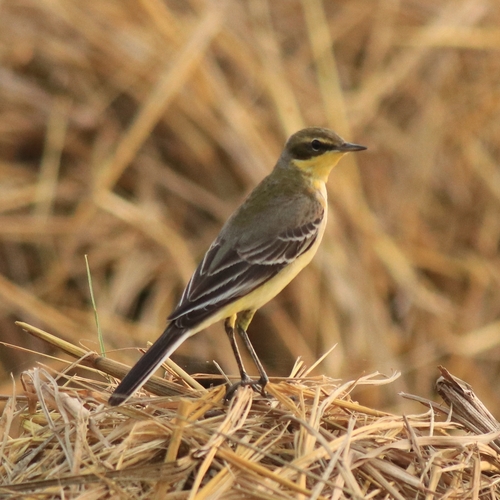 Lavandera de Chukotka
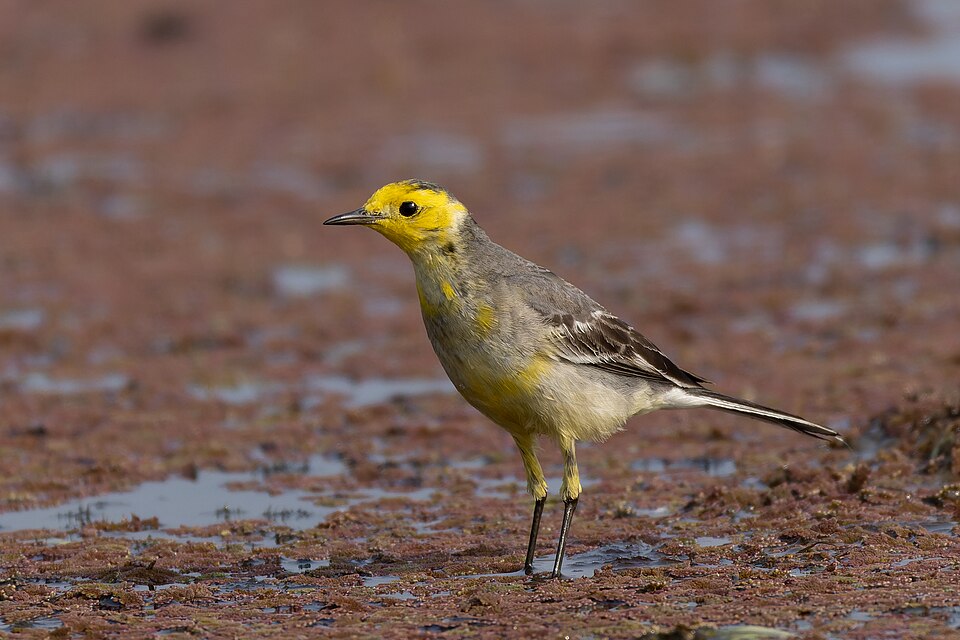 Lavandera Cetrina
En breve
La marca de campo más confiable para separar la Lavandera de Chukotka de la Lavandera Cetrina es el patrón de la cabeza y las partes superiores de los adultos en época de cría: los machos de Lavandera de Chukotka muestran partes superiores de color verde oliva y patrones de cabeza variables, mientras que los machos de Lavandera Cetrina tienen una cabeza de un amarillo brillante (excepto por una nuca negra) y partes superiores de color gris o negro contrastantes. En plumajes no reproductivos e inmaduros, ambas especies pueden mostrar un amarillo diluido por debajo y cabezas más pálidas, pero la Lavandera Cetrina a menudo retiene un supercilio amarillento en una cabeza marrón, mientras que la Lavandera de Chukotka es generalmente más apagada y carece del fuerte contraste facial. La estructura y el tamaño son muy similares, pero las sutiles diferencias en el patrón de la cabeza y la coloración de las partes superiores son clave, especialmente en primavera y verano. Las aves juveniles e invernales son más complicadas, pero prestar atención cuidadosa al patrón de la cabeza y el tono de las partes superiores puede ayudar.
Consejos de identificación
- Patrón de cabeza del macho en época de cría: En primavera y principios de verano, los machos de Lavandera Cetrina tienen una cabeza de un amarillo brillante (excepto por una nuca negra), mientras que los machos de Lavandera de Chukotka muestran patrones de cabeza variables (gris, blanco o amarillo) pero nunca la cabeza completamente amarilla con nuca negra. Esta es la marca de campo más confiable para los machos adultos.
- Color de las partes superiores en adultos: La Lavandera de Chukotka es de color verde oliva por encima, mientras que la Lavandera Cetrina es de color gris o negro por encima en plumaje de cría. Este contraste es más obvio en buena luz.
- Patrón de alas en adultos: La Lavandera Cetrina muestra blanco en las remiges (plumas de vuelo), que pueden aparecer como un panel de ala pálido en vuelo o cuando está posada. La Lavandera de Chukotka carece de este fuerte contraste blanco en el ala.
- Patrón de cabeza en hembras y no reproductivas: En otoño e invierno, la Lavandera Cetrina a menudo muestra un supercilio amarillento en una cabeza marrón, mientras que la Lavandera de Chukotka es generalmente más uniforme y carece de un supercilio fuerte. Busca una ceja pálida y contraste facial en la Lavandera Cetrina.
- Color de las partes inferiores: Ambas especies pueden mostrar partes inferiores amarillas, pero en plumaje no reproductivo esto a menudo se diluye con blanco en ambas. La Lavandera Cetrina puede retener más amarillo en la cara y el supercilio.
- Aves juveniles/inmaduras: Ambas son apagadas y marrones, pero los juveniles de Lavandera Cetrina a menudo muestran un lavado amarillento en la cara y el supercilio, mientras que los juveniles de Lavandera de Chukotka son más simples y marrones. Esto es sutil y no siempre confiable.
- Color del pico y las patas: Ambas especies tienen picos y patas oscuros; esto no es útil para la separación.
- Cola y garra trasera: La Lavandera de Chukotka tiene una garra trasera larga, no fuertemente curvada (diagnóstica de la Lavandera Boyera, pero no de la Cetrina). No es útil para separar estas dos en el campo.
- Tamaño y estructura: Ambas son aves esbeltas y de cola larga de tamaño similar; la estructura no es diagnóstica.
- Hábitat y distribución: Ambas utilizan praderas húmedas y campo abierto, y ambas pueden ocurrir como vagabundas en Europa occidental en otoño e invierno. No confíes solo en el hábitat o la distribución donde ambas son posibles.
- Vocalizaciones: La Lavandera de Chukotka tiene un llamado más agudo y rasposo que la Lavandera Boyera, pero no se nota ninguna diferencia distintiva con la Lavandera Cetrina en las fuentes. Usa con precaución.
- Trampas: Las hembras y los inmaduros de ambas especies son muy similares y pueden ser extremadamente difíciles de separar en el campo. El patrón de la cabeza (supercilio, contraste facial) y el tono de las partes superiores son las mejores pistas, pero ten cuidado con la superposición y la variación individual.
- Efectos estacionales: Los machos en época de cría son los más fáciles de separar; las aves no reproductivas e inmaduras son mucho más desafiantes. Siempre considera la época del año y la probabilidad de encontrar cada plumaje.
- Variación de subespecies: La Lavandera de Chukotka muestra una variación considerable en el patrón de la cabeza por subespecies, que a veces puede acercarse a la Lavandera Cetrina en brillo, pero nunca iguala la cabeza completamente amarilla con nuca negra.
- Aves inconclusas: Si tienes una lavandera apagada y marrón con un patrón facial limitado y sin un claro contraste en las partes superiores, puede no ser posible identificarla a la especie con confianza en el campo. Fotografía y documenta tales aves para revisión experta.
Tamaño
Ambas especies son lavanderas esbeltas con colas largas que constantemente se mueven y proporciones muy similares. La Lavandera de Chukotka mide 15–16 cm de longitud, mientras que la Lavandera Cetrina es ligeramente más larga, de 15.5–17 cm. Esta superposición de tamaño significa que la longitud y el volumen no son confiables para la separación en el campo. El color del pico y las patas son oscuros en los adultos, y el aspecto general es similar.
Plumaje
-
Machos adultos en época de cría: La Lavandera de Chukotka es de color verde oliva por encima con amarillo por debajo, y el patrón de la cabeza varía según la subespecie (a veces con gris, blanco o amarillo en la cabeza). Los machos de Lavandera Cetrina son mucho más llamativos: amarillo brillante en toda la cabeza (excepto por una nuca negra), con partes superiores grises o negras, blanco en las alas y amarillo vívido por debajo. Este contraste de cabeza y partes superiores es diagnóstico en primavera y principios de verano.
-
Hembras y aves no reproductivas: Ambas especies se vuelven más apagadas, con partes inferiores amarillas diluidas por blanco. Las hembras de Lavandera de Chukotka y los primeros inviernos son generalmente de color oliva-marrón por encima con cabezas más pálidas, mientras que la Lavandera Cetrina muestra una cabeza marrón con un supercilio amarillento y partes inferiores más contrastantes y pálidas. Las hembras de ambas especies pueden ser muy similares, pero la Lavandera Cetrina tiende a mostrar un supercilio pálido más distintivo y menos oliva por encima.
-
Juveniles/inmaduras: Ambas son más apagadas y menos patrones, pero los juveniles de Lavandera Cetrina a menudo muestran un lavado amarillento en la cara y el supercilio, mientras que los juveniles de Lavandera de Chukotka son más simples y marrones en general. El patrón de la parte superior del ala no se describe como distintivamente diferente para estas edades en las notas disponibles.
Comportamiento
Ambas especies comparten el comportamiento típico de las lavanderas: activas, alimentándose en el suelo y moviendo constantemente sus largas colas. El vuelo es ondulante y directo, y ambas especies suelen verse en hábitats abiertos y húmedos. No se notan diferencias de comportamiento importantes en las fuentes para la separación en el campo.
Hábitat
Ambas especies crían en el Paleártico y migran al sur de Asia para el invierno, utilizando a menudo praderas húmedas, tundra y campo abierto similares. La Lavandera de Chukotka cría más al este (incluyendo Alaska), mientras que la Lavandera Cetrina es más central en el Paleártico pero está expandiéndose hacia el oeste. Ambas pueden ocurrir como vagabundas en Europa occidental, especialmente en otoño e invierno, por lo que el hábitat solo no es un separador confiable donde las distribuciones se superponen.
Voz
La Lavandera de Chukotka emite un llamado agudo 'zrri' o 'jeet', descrito como más agudo y rasposo que la Lavandera Boyera. No se describe ninguna vocalización distintiva para la Lavandera Cetrina en las notas proporcionadas, por lo que la voz no es un separador confiable entre estas dos según la información actual.
Lavandera de Chukotka · Lavandera Cetrina · Mis aves difíciles