

Eastern Yellow Wagtail vs Cutrettola testagialla orientale
Motacilla tschutschensis contro Motacilla citreola
Fai un quiz con Eastern Yellow Wagtail e Cutrettola testagialla orientale
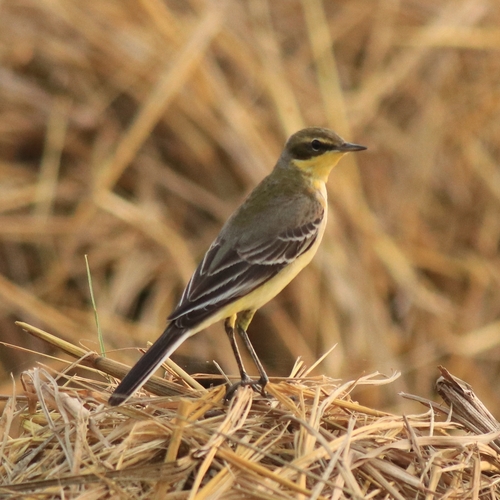 Eastern Yellow Wagtail
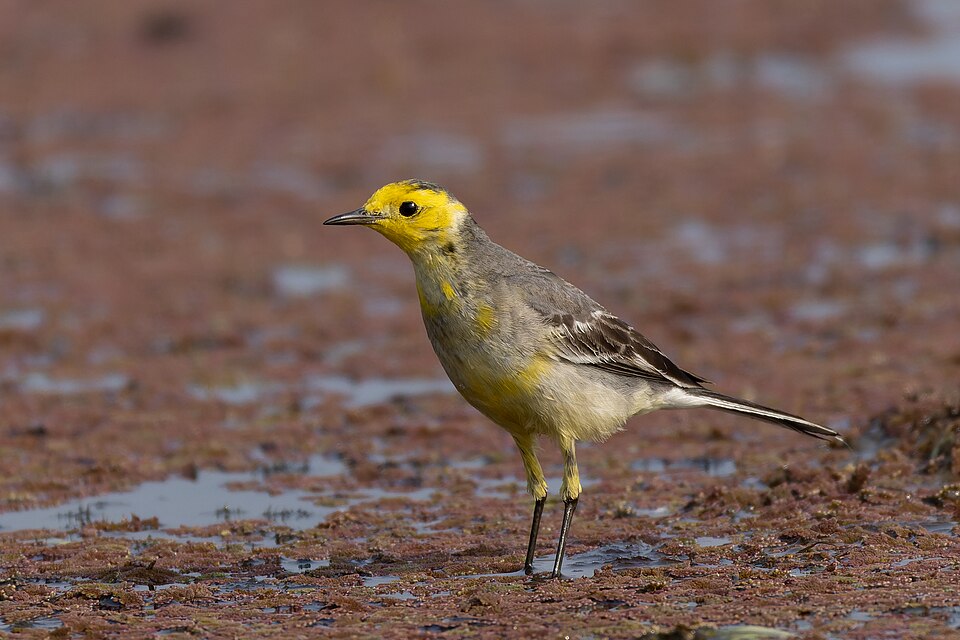 Cutrettola testagialla orientale
In breve
Il segno distintivo più affidabile per separare l'Eastern Yellow Wagtail dalla Cutrettola testagialla orientale è il modello della testa e delle parti superiori degli adulti in riproduzione: i maschi di Eastern Yellow Wagtail mostrano parti superiori di colore verde oliva e modelli di testa variabili, mentre i maschi di Cutrettola testagialla orientale hanno una testa di un giallo brillante (eccetto per una nuca nera) e parti superiori grigie o nere in contrasto. Nelle piume non riproduttive e immature, entrambe le specie possono mostrare un giallo diluito sotto e teste più chiare, ma la Cutrettola testagialla orientale spesso conserva un sopracciglio giallastro su una testa marrone, mentre l'Eastern Yellow Wagtail è generalmente più opaco e manca di un forte contrasto facciale. La struttura e la dimensione sono molto simili, ma differenze sottili nel modello della testa e nella colorazione delle parti superiori sono fondamentali, specialmente in primavera e estate. Gli uccelli juvenili e invernali sono più complicati, ma prestare attenzione al modello della testa e al tono delle parti superiori può aiutare.
Consigli di identificazione
- Modello della testa dei maschi in riproduzione: In primavera e all'inizio dell'estate, i maschi di Cutrettola testagialla orientale hanno una testa di un giallo brillante (eccetto per una nuca nera), mentre i maschi di Eastern Yellow Wagtail mostrano modelli di testa variabili (grigi, bianchi o gialli) ma mai la testa completamente gialla con nuca nera. Questo è il segno distintivo più affidabile per i maschi adulti.
- Colore delle parti superiori negli adulti: L'Eastern Yellow Wagtail è di colore verde oliva sopra, mentre la Cutrettola testagialla orientale è grigia o nera sopra nella piuma di riproduzione. Questo contrasto è più evidente in buona luce.
- Modello delle ali negli adulti: La Cutrettola testagialla orientale mostra bianco nelle remiganti (piume da volo), che possono apparire come un pannello d'ala pallido in volo o quando è posata. L'Eastern Yellow Wagtail manca di questo forte contrasto bianco nell'ala.
- Modello della testa nelle femmine e nei non in riproduzione: In autunno e inverno, la Cutrettola testagialla orientale mostra spesso un sopracciglio giallastro su una testa marrone, mentre l'Eastern Yellow Wagtail è generalmente più uniforme e manca di un forte sopracciglio. Cerca un sopracciglio pallido e un contrasto facciale nella Cutrettola.
- Colore delle parti inferiori: Entrambe le specie possono mostrare parti inferiori gialle, ma nella piuma non riproduttiva questo è spesso diluito dal bianco in entrambe. La Cutrettola testagialla orientale può mantenere più giallo sul viso e sul sopracciglio.
- Uccelli juvenili/immaturi: Entrambi sono opachi e marroni, ma i juvenili di Cutrettola testagialla orientale mostrano spesso una sfumatura giallastra sul viso e sul sopracciglio, mentre i juvenili di Eastern Yellow Wagtail sono più semplici e marroni. Questo è sottile e non sempre affidabile.
- Colore del becco e delle zampe: Entrambe le specie hanno becchi e zampe scuri; questo non è utile per la separazione.
- Coda e artiglio posteriore: L'Eastern Yellow Wagtail ha un artiglio posteriore lungo, non fortemente curvato (diagnostico dalla Cutrettola, ma non dalla Cutrettola testagialla orientale). Non è utile per separare questi due sul campo.
- Dimensione e struttura: Entrambi sono uccelli snelli e dalla lunga coda di dimensioni simili; la struttura non è diagnostica.
- Habitat e distribuzione: Entrambi utilizzano prati umidi e campi aperti, e entrambi possono verificarsi come vagabondi nell'Europa occidentale in autunno e inverno. Non fare affidamento solo sull'habitat o sulla distribuzione dove entrambe sono possibili.
- Vocalizzazioni: L'Eastern Yellow Wagtail ha un richiamo più acuto e più graffiante rispetto alla Cutrettola, ma non si nota alcuna differenza distintiva rispetto alla Cutrettola testagialla orientale nelle fonti. Usare con cautela.
- Trappole: Le femmine e gli immaturi di entrambe le specie sono molto simili e possono essere estremamente difficili da separare sul campo. Il modello della testa (sopracciglio, contrasto facciale) e il tono delle parti superiori sono i migliori indizi, ma fai attenzione alla sovrapposizione e alla variazione individuale.
- Effetti stagionali: I maschi in riproduzione sono i più facili da separare; gli uccelli non in riproduzione e immaturi sono molto più impegnativi. Considera sempre il periodo dell'anno e la probabilità di incontrare ciascuna piuma.
- Variazione delle sottospecie: L'Eastern Yellow Wagtail mostra una notevole variazione nel modello della testa per sottospecie, che può occasionalmente avvicinarsi alla Cutrettola testagialla orientale in luminosità, ma non eguaglia mai la testa completamente gialla con nuca nera.
- Uccelli inconcludenti: Se hai una cutrettola opaca e marrone con un modello facciale limitato e nessun chiaro contrasto delle parti superiori, potrebbe non essere possibile identificare la specie con fiducia sul campo. Fotografa e documenta tali uccelli per una revisione esperta.
Taglia
Entrambe le specie sono cutrettole snelle con lunghe code che oscillano costantemente e proporzioni molto simili. L'Eastern Yellow Wagtail è lungo 15–16 cm, mentre la Cutrettola testagialla orientale è leggermente più lunga a 15.5–17 cm. Questa sovrapposizione di dimensioni significa che la lunghezza e il volume non sono affidabili per la separazione sul campo. Il colore del becco e delle zampe è scuro negli adulti, e l'aspetto generale è simile.
Piumaggio
-
Maschi adulti in riproduzione: L'Eastern Yellow Wagtail è di colore verde oliva sopra con giallo sotto, e il modello della testa varia per sottospecie (a volte con grigio, bianco o giallo sulla testa). I maschi in riproduzione di Cutrettola testagialla orientale sono molto più appariscenti: giallo brillante su tutta la testa (eccetto per una nuca nera), con parti superiori grigie o nere, bianco nelle ali e giallo vivido sotto. Questo contrasto tra testa e parti superiori è diagnostico in primavera e all'inizio dell'estate.
-
Femmine e uccelli non in riproduzione: Entrambe le specie diventano più opache, con parti inferiori gialle diluite dal bianco. Le femmine di Eastern Yellow Wagtail e i primi inverni sono generalmente di colore oliva-marrone sopra con teste più chiare, mentre la Cutrettola testagialla orientale mostra una testa marrone con un sopracciglio giallastro e parti inferiori più chiare in contrasto. Le femmine di entrambe le specie possono essere molto simili, ma la Cutrettola testagialla orientale tende a mostrare un sopracciglio pallido più distinto e meno oliva sopra.
-
Juvenili/immaturi: Entrambi sono più opachi e meno patternizzati, ma i juvenili di Cutrettola testagialla orientale mostrano spesso una sfumatura giallastra sul viso e sul sopracciglio, mentre i juvenili di Eastern Yellow Wagtail sono più semplici e marroni nel complesso. Il modello della parte superiore dell'ala non è descritto come distintivamente diverso per queste età nelle note disponibili.
Comportamento
Entrambe le specie condividono il comportamento tipico delle cutrettole: attive, si nutrono a terra e oscillano costantemente le loro lunghe code. Il volo è ondulato e diretto, e entrambe le specie sono solitamente viste in habitat aperti e umidi. Non si notano differenze comportamentali significative nelle fonti per la separazione sul campo.
Habitat
Entrambe le specie nidificano nel Paleartico e migrano in Asia meridionale per l'inverno, spesso utilizzando prati umidi simili, tundra e campi aperti. L'Eastern Yellow Wagtail nidifica più a est (inclusa l'Alaska), mentre la Cutrettola testagialla orientale è più centrale nel Paleartico ma si sta espandendo verso ovest. Entrambi possono verificarsi come vagabondi nell'Europa occidentale, specialmente in autunno e inverno, quindi l'habitat da solo non è un separatore affidabile dove le distribuzioni si sovrappongono.
Voce
L'Eastern Yellow Wagtail emette un richiamo acuto 'zrri' o 'jeet', descritto come più acuto e più graffiante rispetto alla Cutrettola. Non è descritta alcuna vocalizzazione distintiva per la Cutrettola testagialla orientale nelle note fornite, quindi la voce non è un separatore affidabile tra questi due sulla base delle informazioni attuali.
Eastern Yellow Wagtail · Cutrettola testagialla orientale · I miei uccelli difficili