

bacurau-norte-americano vs noitibó-de-nuca-vermelha
Chordeiles minor versus Caprimulgus ruficollis
Jogue um quiz com bacurau-norte-americano e noitibó-de-nuca-vermelha
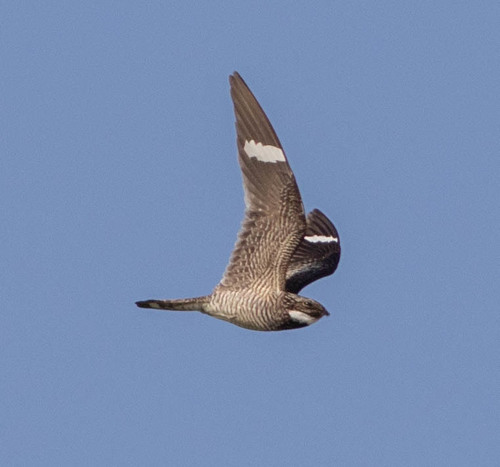 bacurau-norte-americano
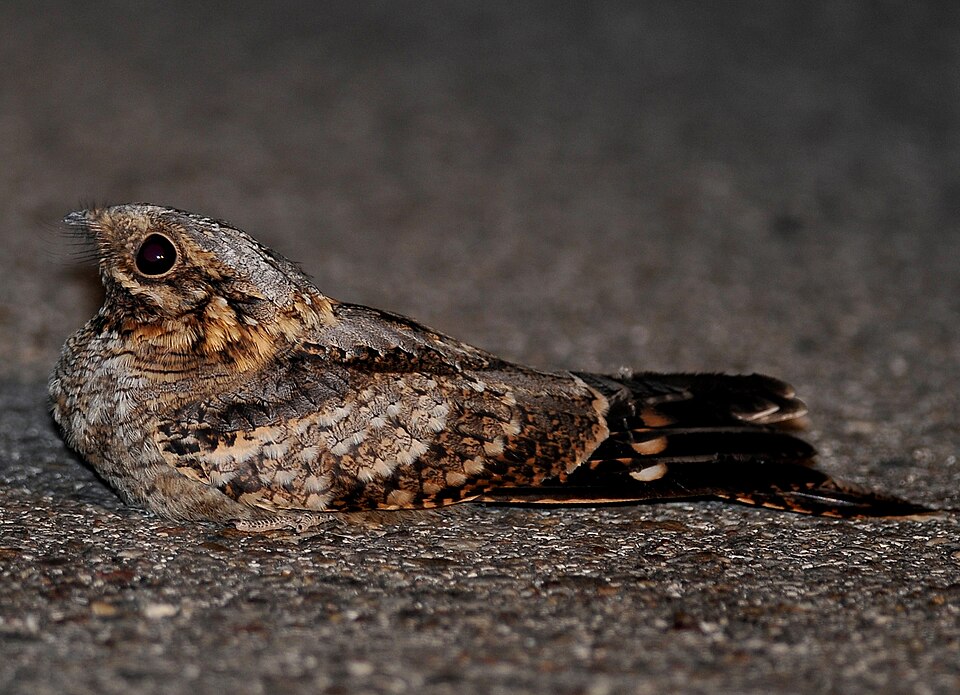 noitibó-de-nuca-vermelha
Em resumo
A marca de campo mais confiável para separar o bacurau-norte-americano do noitibó-de-nuca-vermelha é a presença de uma mancha branca bold nas asas em ambas as espécies, mas a mancha do bacurau é menor em juvenis e mais nitidamente definida em adultos, enquanto a do noitibó é maior e ambos os sexos têm cantos brancos na cauda e um colar de pescoço ruivo distinto. Bacurau juvenis mostram uma mancha branca nas asas menor do que os adultos, o que pode ser uma armadilha. Estruturalmente, o noitibó-de-nuca-vermelha é mais robusto, com cauda mais longa, e tem um colar ruivo notavelmente visível, enquanto o bacurau-norte-americano é mais esguio, com um voo mais errático e flutuante. Ambos são crípticos em repouso, mas o bacurau frequentemente pousa horizontalmente em galhos ou telhados, enquanto o noitibó é mais estritamente terrestre. As vocalizações são completamente diferentes e diagnósticas se ouvidas.
Dicas de identificação
- Tamanho e posicionamento da mancha branca nas asas: Ambas as espécies apresentam uma mancha branca nas asas, mas no bacurau-norte-americano juvenil ela é menor e menos ousada do que nos adultos; a do noitibó-de-nuca-vermelha é maior e ambos os sexos também mostram cantos brancos na cauda e na garganta. Use isso em voo, especialmente para imaturos.
- Colar de pescoço ruivo: Apenas o noitibó-de-nuca-vermelha tem um colar ruivo proeminente, visível em boa luz e em repouso. Se você vê isso, é diagnóstico para o noitibó.
- Formato e comprimento da cauda: O noitibó-de-nuca-vermelha tem cauda mais longa e robusta; o bacurau-norte-americano tem uma cauda recortada e um perfil mais esguio e angular.
- Estilo de voo: O voo do bacurau é flutuante, errático e acrobático, com giros e curvas acentuadas; o noitibó-de-nuca-vermelha voa com batidas de asas fortes e deliberadas e planagens, parecendo mais semelhante a uma mariposa e estável.
- Comportamento de pouso: O bacurau-norte-americano frequentemente pousa horizontalmente em galhos, postes, telhados ou no chão; o noitibó-de-nuca-vermelha é mais estritamente terrestre e raramente pousa acima do solo.
- Padrão de plumagem: O bacurau é cinza escuro, preto e marrom com padrões crípticos intrincados e listras nos lados e no abdômen; o noitibó-de-nuca-vermelha é cinza líquen, fortemente listrado e riscado com buff, castanho e preto, com um colar ruivo.
- Listras na parte inferior: Ambas as espécies têm listras na parte inferior, mas o noitibó-de-nuca-vermelha é mais fortemente e grosseiramente listrado.
- Características faciais: O bacurau não tem penas rictais e possui uma cabeça grande e achatada com olhos grandes; o rosto do noitibó é menos distintivo, mas o colar ruivo se destaca se visível.
- Tamanho em mãos ou à queima-roupa: O noitibó-de-nuca-vermelha é maior e mais pesado (32 cm, 84 g) do que o bacurau-norte-americano (22–25 cm, 79 g), mas o tamanho pode ser difícil de julgar em campo.
- Contexto geográfico: Na Europa ou no Norte da África, um grande noitibó com um colar ruivo é o noitibó-de-nuca-vermelha; nas Américas, é o bacurau-norte-americano.
- Vocalizações: Se ouvidas, o chamado do bacurau é muito diferente do chamado repetitivo do noitibó 'kyok-kyok-kyok...' ou do aplauso das asas. Use a voz sempre que possível.
- Muda sazonal: Bacurau juvenis são mais claros e têm uma mancha branca nas asas menor do que os adultos, o que pode levar à confusão com o noitibó, especialmente no outono.
- Diferenças sexuais: Ambos os sexos do noitibó-de-nuca-vermelha mostram branco na cauda e na garganta, enquanto as marcas brancas do bacurau são menos extensas e não estão nos cantos da cauda.
- Habitat: O noitibó prefere áreas abertas de brejos arenosos com árvores ou arbustos dispersos; o bacurau é mais generalista e frequentemente visto sobre cidades e áreas abertas.
- Armadilhas: Bacurau imaturos com manchas brancas reduzidas nas asas podem ser confundidos com noitibós; sempre verifique o colar ruivo e os cantos brancos da cauda para confirmar o noitibó-de-nuca-vermelha.
Tamanho
O noitibó-de-nuca-vermelha é o maior dos dois, com um comprimento de 32 cm e uma envergadura de 64 cm, em comparação com o comprimento de 22–25 cm e a envergadura de 51–61 cm do bacurau-norte-americano [wikipedia]. A massa é semelhante, mas ligeiramente maior no noitibó (84,0 g vs 79,3 g) [wikidata]. Em campo, o noitibó parece mais robusto e com cauda mais longa, enquanto o bacurau é mais esguio e angular, especialmente em voo.
Plumagem
Bacurau juvenis são mais claros no geral e têm uma mancha branca nas asas menor do que os adultos, o que pode fazê-los parecer menos contrastantes em voo. Adultos de ambas as espécies têm manchas brancas nas asas, mas a do noitibó-de-nuca-vermelha é maior e ambos os sexos também mostram branco nos cantos da cauda e na garganta. O noitibó é cinza líquen com listras pesadas e um colar de pescoço ruivo proeminente, enquanto o bacurau é cinza escuro, preto e marrom com padrões crípticos intrincados e listras notáveis nos lados e no abdômen. O bacurau não tem um colar ruivo. As partes inferiores do noitibó-de-nuca-vermelha são fortemente listradas, e a subespécie do Norte da África é mais clara, com mais listras laranja e pretas nas primárias. Ambas as espécies são extremamente crípticas em repouso, mas o colar ruivo do noitibó é uma marca de campo forte se visível.
Comportamento
O bacurau-norte-americano é mais conspícuo em voo flutuante e errático, frequentemente forrageando alto e mostrando giros e curvas acentuadas. Ele pousa horizontalmente em galhos, postes, telhados ou no chão, raramente se movendo a pé. O noitibó-de-nuca-vermelha é mais estritamente terrestre durante o dia, deitado plano e imóvel, assemelhando-se a um pedaço de casca ou líquen. Seu voo é descrito como fácil, silencioso e semelhante a uma mariposa, com batidas de asas fortes e deliberadas alternando com planagens. Ambos são crepusculares ou noturnos, mas o voo do bacurau é mais errático e acrobático, enquanto o do noitibó é mais estável e semelhante a uma mariposa.
Habitat
O bacurau-norte-americano é encontrado em toda a América e é altamente migratório, frequentemente visto sobre áreas abertas, cidades e telhados. O noitibó-de-nuca-vermelha é restrito à Ibéria e ao Norte da África para reprodução, invernando na África Ocidental tropical, e prefere áreas abertas de brejos arenosos com árvores ou arbustos dispersos. Na Europa, o noitibó é o maior noitibó e raramente é visto fora de sua área de reprodução. O contexto do habitat pode ser útil: um noitibó na Ibéria ou no Norte da África é provavelmente o noitibó-de-nuca-vermelha, enquanto um noitibó nas Américas é quase certamente um bacurau.
Voz
A identidade do bacurau-norte-americano é frequentemente melhor revelada por sua vocalização, que não é descrita em detalhes aqui, mas é distinta do noitibó-de-nuca-vermelha. O noitibó-de-nuca-vermelha emite um chamado mecânico repetitivo 'kyok-kyok-kyok...' que sobe e desce à medida que o pássaro vira a cabeça, e também produz um aplauso agudo das asas durante o acasalamento. O chamado do bacurau não é semelhante e, se ouvido, é diagnóstico para separação.
bacurau-norte-americano · noitibó-de-nuca-vermelha · Minhas aves difíceis